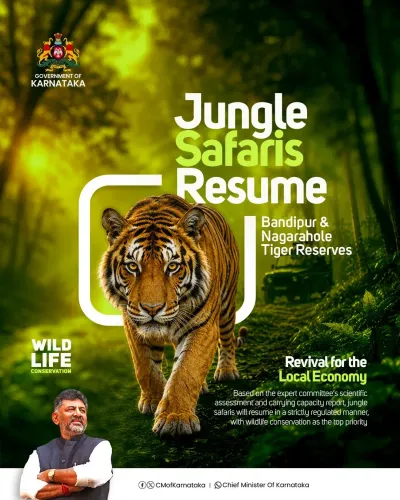
Bandipur, Nagarhole safaris to resume with strict safety measures: Karnataka CM Shivakumar
Synopsis
Karnataka CM Shivakumar has cleared the way for safaris at Bandipur and Nagarhole to restart — but with a catch: safety measures must come first, given unusually high tiger and leopard densities in tourist zones. The meeting also exposed a damaging gap: the Bengaluru-Mysuru Expressway was built without the mandated wildlife corridors, and the BMIC Corridor has pushed big cats toward Channapatna and Ramanagara.
Key Takeaways
Shivakumar on 30 June ordered resumption of safaris at Bandipur and Nagarhole National Parks , subject to strict safety compliance.
Tiger and leopard density in safari zones is higher than in areas already facing human-wildlife conflict, officials told the Standing Committee of the Karnataka State Board for Wildlife .
The BMIC Corridor has blocked traditional animal movement routes, driving wildlife toward Channapatna and Ramanagara and intensifying human-wildlife conflict.
Wildlife underpasses and corridors mandated for the Bengaluru-Mysuru Expressway were reportedly not adequately built during construction.
Shivakumar directed officials to resolve technical issues around the Mekedatu drinking water project , calling Tamil Nadu's Supreme Court objections 'small technical' hurdles.
Authorities were ordered to immediately remove hazardous trees and branches across Bengaluru to prevent rain and wind-related accidents.
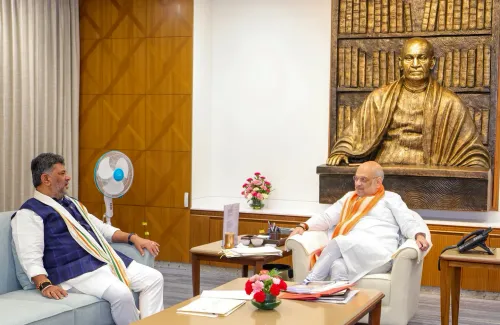
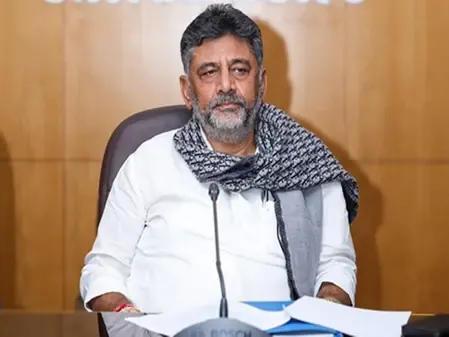
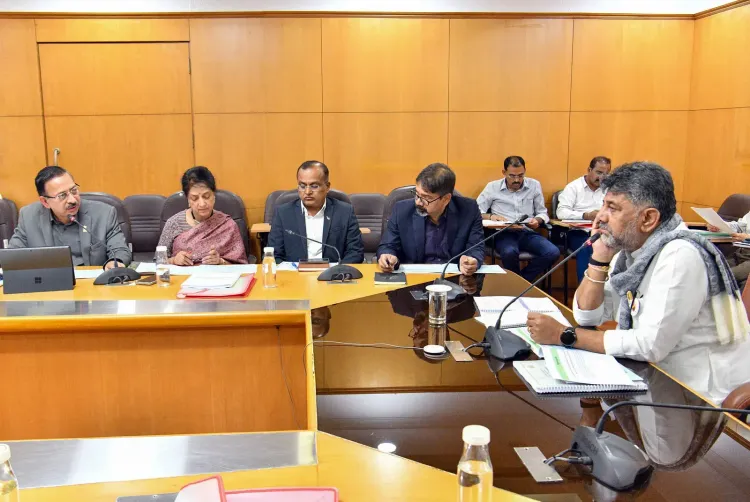
Karnataka Chief Minister D.K. Shivakumar on Tuesday, 30 June directed officials to resume safari and eco-tourism operations at Bandipur and Nagarhole National Parks, with a firm mandate that stringent safety protocols be in place before visitors are allowed back in. The directive came during a meeting of the Standing Committee of the Karnataka State Board for Wildlife at the Vidhana Soudha Committee Hall in Bengaluru.
Why Safaris Were Held Back
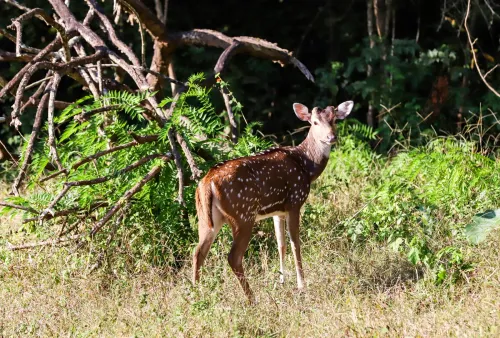
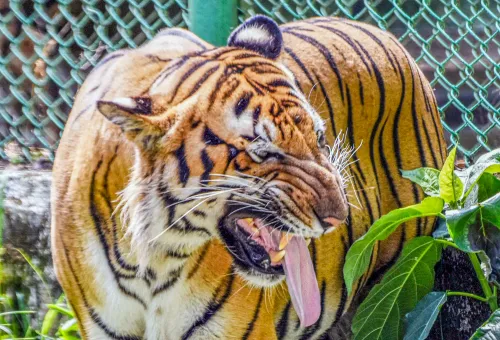
Officials briefing the committee noted that the density of tigers and leopards in the safari and eco-tourism zones of both parks is considerably higher than in areas already experiencing frequent human-wildlife conflict. In light of this, Shivakumar ordered that operations resume only after precautionary and safety measures are fully implemented to ensure no visitor is exposed to undue risk.
Infrastructure Gaps Fuelling Human-Wildlife Conflict
The meeting also surfaced a concerning pattern: the construction of the BMIC Corridor has disrupted traditional movement routes of elephants, tigers, and leopards, pushing wildlife increasingly toward Channapatna and Ramanagara. Officials attributed a significant rise in human-wildlife conflict in these regions directly to this corridor-related displacement.
A separate issue flagged at the meeting concerned the Bengaluru-Mysuru Expressway. Approval for the expressway had been granted with conditions requiring the construction of wildlife underpasses, overpasses, and dedicated wildlife corridors. According to officials, these conditions were not adequately implemented during road construction — a lapse that has compounded the conflict problem.
Mekedatu Project and Tamil Nadu Objections
Separately, Shivakumar directed officials to identify and resolve minor technical issues related to the Mekedatu drinking water project. He stated that Tamil Nadu was raising what he described as 'small technical objections' before the Supreme Court to delay the project. The Chief Minister's Office confirmed he called for these hurdles to be addressed proactively.
Hazardous Trees in Bengaluru: A Safety Priority
Standing Committee members also raised alarm over the slow removal of dried and hazardous trees and branches within Bengaluru city limits. The lack of timely action has reportedly led to accidents caused by falling trees and branches during heavy rain and strong winds. Shivakumar directed the concerned authorities to immediately identify and remove such hazards, treating public safety as a top priority.
With safari resumption now contingent on safety compliance, and wildlife corridor gaps under fresh scrutiny, the decisions from this meeting are likely to shape both tourism policy and conflict-mitigation efforts across Karnataka's protected forest zones in the months ahead.
Point of View
And no one was held accountable. The BMIC Corridor has effectively redirected big cats toward human settlements, yet the corridor itself faces no corrective action. Karnataka's wildlife governance is caught between development pressure and conservation obligation, and this meeting suggests the balance has tilted — with the cost being borne by communities in Channapatna and Ramanagara.
NationPress
30 Sept 2026
Frequently Asked Questions
Why were safaris suspended at Bandipur and Nagarhole?
The source does not specify the original reason for suspension, but Karnataka CM D.K. Shivakumar's 30 June directive to resume operations — contingent on strict safety measures — indicates concerns over visitor safety given the high density of tigers and leopards in the safari zones.
What safety measures must be in place before safaris resume?
Shivakumar directed that stringent precautionary and safety measures must be fully implemented before safari operations restart at Bandipur and Nagarhole, ensuring visitors are not exposed to risk. Specific measures are to be determined by the officials concerned.
How has the BMIC Corridor affected wildlife in Karnataka?
According to officials who briefed the Standing Committee, the BMIC Corridor has obstructed traditional movement routes of elephants, tigers, and leopards. This has pushed wild animals toward Channapatna and Ramanagara, significantly increasing human-wildlife conflict in those areas.
What is the Mekedatu project and why is it in the news?
The Mekedatu drinking water project is a Karnataka initiative currently contested before the Supreme Court. CM Shivakumar stated that Tamil Nadu is raising 'small technical objections' to delay the project, and directed officials to identify and resolve minor technical issues proactively.
What action was ordered on hazardous trees in Bengaluru?
Standing Committee members flagged the slow removal of dried and hazardous trees within Bengaluru city limits, noting it has led to accidents during heavy rain and strong winds. Shivakumar directed authorities to immediately identify and remove such hazards as a top public safety priority.