Bangladesh's Economic Growth at Risk Due to IMF Loan Conditions: Expert Warns

Synopsis
In a stark warning, Bangladesh's Prime Minister's adviser claims that the nation is now a 'hostage' to IMF loan conditions, potentially threatening its economic growth and exacerbating inflation. This report sheds light on the dire implications for vulnerable populations.
Key Takeaways
Hostage to IMF: Bangladesh is facing challenges due to stringent IMF loan conditions.
Inflation Risk: Implementing reforms without local context may lead to high inflation.
Growth Concerns: Growth could dip below 3 percent under current IMF targets.
Bank Resolution Act: Allows former bank owners to reclaim ownership, raising legal concerns.
Investment Necessity: Emphasizing the need for private sector investment and better fund utilization.
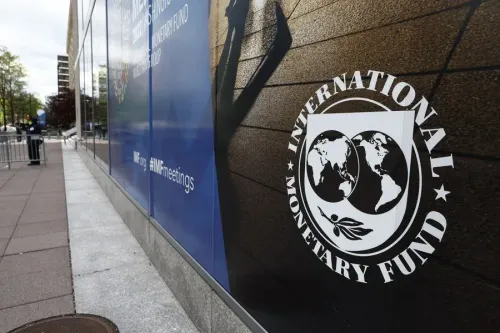
New Delhi, April 19 (NationPress) The adviser to the Prime Minister of Bangladesh has expressed concerns that the country is now a "hostage" to the conditions set by the International Monetary Fund (IMF) regarding loans, which may stifle economic growth, according to a recent report.
Rashed Al Mahmud Titumir, the advisor, cautioned that if standard reform practices are followed without considering the local context, it could lead to high inflation, adversely affecting farmers and those in lower-income brackets, as reported by Bangladeshi media outlet New Age.
While addressing a seminar hosted by the Economic Reporters’ Forum in Dhaka, Titumir warned that IMF objectives, such as increasing the tax-to-GDP ratio amidst weak economic conditions, could push growth below 3 percent and create additional pressures for both businesses and families.
The advisor noted that the nation had previously accepted stringent bailout conditions to maintain a patronage-driven system without prioritizing public welfare, and is now in a position where it must adhere to the IMF's stipulations.
Titumir criticized the "inconsistent approaches" of global institutions, which recognize escalating poverty yet recommend slashing subsidies and direct aid.
He mentioned the recent implementation of the Bank Resolution Act, which permits former owners of troubled banks to seek ownership reinstatement, adding that any conflicts with existing laws or the constitution could be resolved through the Supreme Court.
This legislation allows former shareholders or qualified applicants to regain control of banks undergoing resolution, overriding other legal stipulations, which has already faced backlash from economists.
Titumir pointed out that the previous administration had left behind a vulnerable economy with weak institutions, resulting in stagnated investment opportunities. He noted that remittance inflows have been crucial in sustaining the economy during past crises.
To tackle current challenges, he emphasized the need for innovative and context-specific solutions rather than inflexible policy formulas, advocating for enhanced private sector investment and optimal utilization of domestic investible funds.
Moreover, he highlighted the importance of aligning fiscal and monetary policies and reiterated the government's commitment to supporting an independent central bank, as reported.
Mustafizur Rahman, a distinguished fellow at CPD, warned that Bangladesh risks falling into both a middle-income and a debt trap, given that interest payments have surpassed expenditures on education.
Point of View
It is crucial to recognize the complexities of Bangladesh's economic struggles. The concerns raised about the IMF's influence highlight the delicate balance between securing financial aid and ensuring sustainable growth. A nation-first approach demands that local contexts be prioritized to avoid detrimental impacts on its most vulnerable populations.
NationPress
19 Sept 2026
Frequently Asked Questions
What are the IMF loan conditions impacting Bangladesh?
The IMF loan conditions require Bangladesh to implement reforms that may not consider local economic contexts, potentially leading to increased inflation and decreased growth.
Who is Rashed Al Mahmud Titumir?
Rashed Al Mahmud Titumir is an adviser to the Prime Minister of Bangladesh and has raised concerns about the country's economic situation regarding IMF loans.
How could IMF targets affect economic growth?
IMF targets, such as raising the tax-to-GDP ratio in weak economic conditions, could reduce growth below 3 percent and place additional stress on businesses and households.
What is the Bank Resolution Act?
The Bank Resolution Act allows former owners of distressed banks to apply for ownership reinstatement, which has drawn criticism for its potential legal conflicts.
What risks does Bangladesh face economically?
Experts warn that Bangladesh could fall into a middle-income trap and a debt trap due to high interest payments exceeding spending on education.