Bengal BJP win a victory for national security, says Assam CM Sarma

Synopsis
Assam CM Himanta Biswa Sarma frames the BJP's West Bengal win not as a party triumph but as a national security milestone — arguing that Mamata Banerjee's defeat opens the door to coordinated border management, curbing infiltration, and deeper integration across eastern and northeastern India.
Key Takeaways
Assam CM Himanta Biswa Sarma called the BJP's West Bengal victory a "victory for India", not just the party.
He said the defeat of Mamata Banerjee marks a decisive shift in eastern India's political landscape, especially on border and security issues.
Sarma credited PM Narendra Modi and Home Minister Amit Shah for their strategic outreach in shaping the electoral outcome.
He said a BJP government in Bengal will enable better coordination on border security , infiltration , and demographic challenges with northeastern states.
Sarma projected that improved governance and infrastructure in Bengal will create a more integrated economic framework across eastern India .
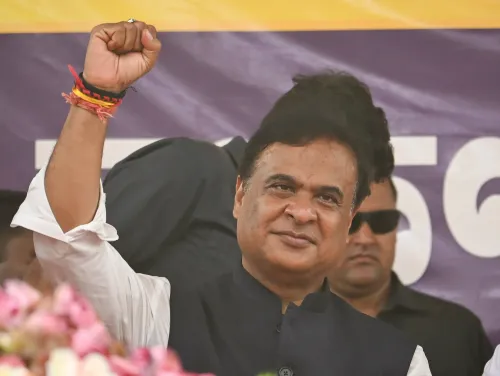
Assam Chief Minister Himanta Biswa Sarma on Monday, 4 May described the Bharatiya Janata Party's (BJP) victory in West Bengal as a "victory for the nation", arguing that the electoral outcome transcends party politics and carries far-reaching implications for national security and regional stability in eastern India.
Sarma's Key Remarks
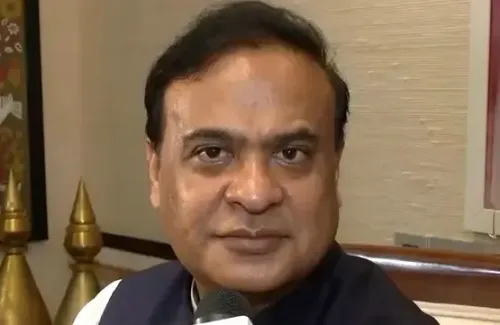
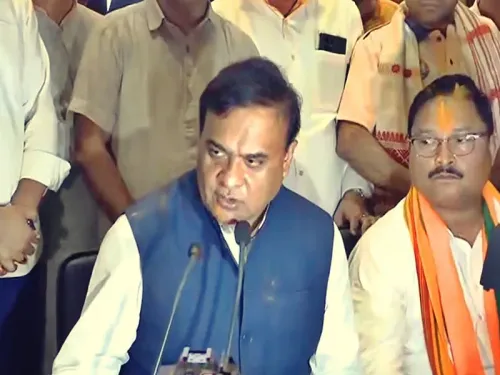
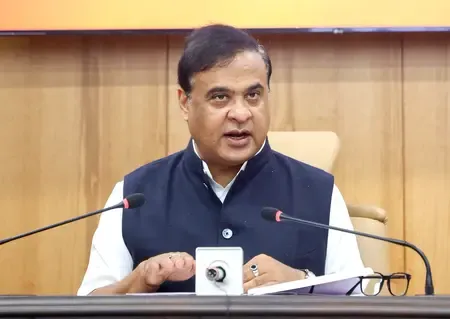
Speaking from Guwahati, Sarma said the defeat of outgoing Chief Minister Mamata Banerjee marks a decisive shift in the political landscape of eastern India, particularly in the context of border management and governance. "This is not merely a BJP victory, but a victory for India," he said, adding that the mandate reflects public demand for stronger governance, transparency, and accountability.
Sarma noted that concerns related to infiltration, border fencing, and demographic challenges have been longstanding and unresolved issues in the region — and that a BJP government in Bengal creates a new opportunity to address them in a coordinated manner.
Credit to Modi and Shah
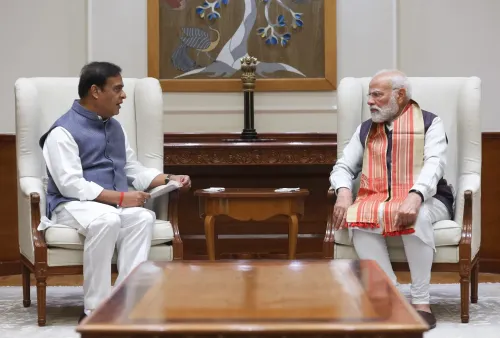
The Assam Chief Minister credited Prime Minister Narendra Modi and Union Home Minister Amit Shah for the electoral outcome, stating that their extensive outreach and strategic vision played a crucial role in shaping the result. He said both leaders worked with a national perspective, focusing on long-term development and security rather than short-term electoral calculus.
Impact on Eastern and Northeastern States
Sarma expressed confidence that a BJP government in West Bengal would accelerate coordinated efforts among eastern and northeastern states. He said better inter-state cooperation would strengthen border security, curb illegal movement, and ensure greater stability across the region. According to him, improved infrastructure and governance in Bengal will complement progress in neighbouring states, creating a more integrated economic and administrative framework.
Broader Significance
Sarma emphasised that the verdict reflects a collective desire for change and a shift towards policies that prioritise national interest. He said the new political alignment will help address long-pending challenges — from border management to economic development — while ensuring sustained growth across the region. He reiterated that the Bengal mandate should be seen as a step towards a stronger and more secure India, driven by coordinated governance and a shared vision for development.
With the BJP now set to govern West Bengal, attention will turn to how swiftly the new administration moves on border fencing commitments and bilateral cooperation with neighbouring states on security matters.
Point of View
Where the BJP's northeastern bloc has long felt undermined by Kolkata's policies on infiltration and fencing. The rhetoric also serves a dual purpose: it elevates the Bengal win beyond a state-level contest and positions Modi and Shah as architects of a regional security doctrine. What remains untested is whether a BJP government in Bengal will actually deliver on the border management promises that have been made — and repeated — for over a decade. Eastern India's security challenges are structural, not merely electoral, and a change of government in Kolkata is a necessary but not sufficient condition for resolving them.
NationPress
22 Sept 2026
Frequently Asked Questions
What did Assam CM Himanta Biswa Sarma say about the BJP's West Bengal victory?
Sarma called the BJP's West Bengal win a 'victory for India', saying it goes beyond party lines and carries significant implications for national security and regional stability. He specifically highlighted gains on border management, infiltration, and demographic challenges.
Why does Sarma link the Bengal election result to national security?
Sarma argues that West Bengal's borders are central to issues of infiltration and demographic change in eastern India, and that a BJP government in Bengal will enable coordinated action with northeastern states on these longstanding concerns.
Who did Sarma credit for the BJP's victory in West Bengal?
Sarma credited Prime Minister Narendra Modi and Union Home Minister Amit Shah, saying their extensive outreach and strategic vision played a crucial role in shaping the electoral outcome.
How does Sarma say the Bengal result will affect northeastern states?
Sarma said a BJP government in West Bengal will accelerate inter-state cooperation on border security, curb illegal movement, and help create a more integrated economic and administrative framework across eastern and northeastern India.
What happens next after the BJP's West Bengal win?
Attention will focus on how quickly the new BJP administration in West Bengal moves on border fencing commitments and bilateral security cooperation with neighbouring states, which Sarma identified as the key test of the mandate's national significance.