Is Bhagirathpura's Water Safe? Minister Vijayvargiya Reveals Lab Findings

Synopsis
The water contamination crisis in Bhagirathpura has raised serious concerns, but recent lab results bring some relief as five samples tested negative for dangerous pathogens. Join us as we explore the implications and the ongoing efforts to ensure safe drinking water in Indore's troubled locality.
Key Takeaways
Five water samples from Bhagirathpura tested negative for harmful pathogens.
The crisis was initiated by sewage contamination.
Authorities have taken steps to repair leaks and ensure safe water supply.
Residents are advised to boil water until further testing is completed.
Trust in the municipal water supply has been significantly affected.
Indore, Jan 4 (NationPress) In the midst of the persistent water contamination crisis affecting the Bhagirathpura neighborhood, which has tragically led to several fatalities and impacted countless individuals, a recent laboratory analysis from Sri Aurobindo Medical College and PG Institute has delivered a positive update: five water samples have been confirmed negative for critical waterborne pathogens.
Urban Development Minister Kailash Vijayvargiya shared these findings via his X account, stating, "With the guidance of Chief Minister Dr. Mohan Yadav, along with Indore Mayor Pushyamitra Bhargava and Divisional Commissioner Dr. Sudam P. Khade, the effective outcomes of chlorination and other initiatives for purifying drinking water in Bhagirathpura are now evident."
The report from the Central Clinical Molecular Laboratory, dated January 4, evaluated samples collected from Bhagirathpura using the RT-PCR technique.
All five samples (S-01 to S-05), each 25 ml in sterile bottles, returned negative results for bacterial pathogens including E. coli O157, Generic E. coli, Vibrio cholerae, and Salmonella, as well as viral pathogens such as Rotavirus and Enterovirus.
The interpretation indicates, "These outcomes reveal that the RT-PCR analysis of all five water samples showed negative results for the targeted bacterial pathogens (E. coli O157, Generic E. coli, Vibrio cholerae, and Salmonella) and viral pathogens (Rotavirus and Enterovirus)."
However, the report advises, "Further verification of water quality should be pursued through culture-based microbiological assessment and routine physicochemical testing."
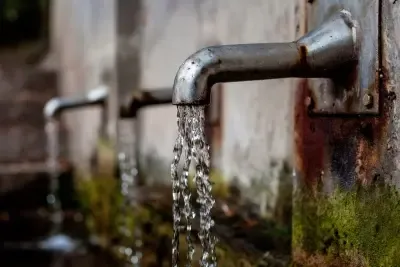
This positive development comes in light of the crisis that began in late December 2025, stemming from sewage intermingling with drinking water pipelines, reportedly due to a leak near a police outpost toilet lacking a proper septic tank.
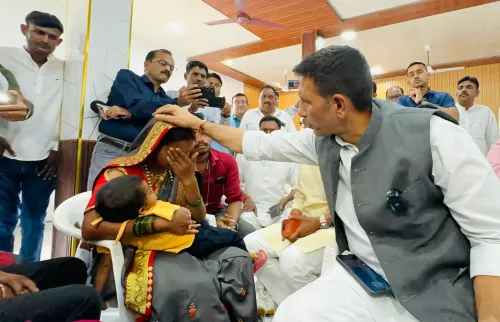
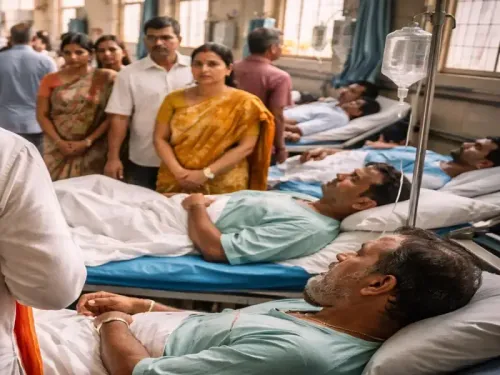
Residents had reported foul-smelling, discolored tap water for several months. The outbreak has resulted in widespread cases of diarrhea and vomiting, with an official death toll of four and over 200 reported illnesses, including many requiring intensive care.
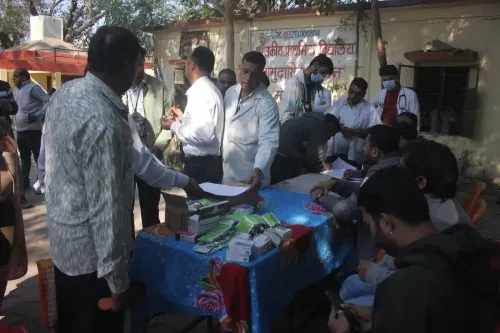
Authorities have addressed the leakage, provided tanker water supplies, suspended specific officials, and commenced investigations.
While earlier tests from other laboratories indicated bacterial contamination in some samples, this advanced RT-PCR analysis from one of Indore's leading institutions suggests that these specific dangerous pathogens are absent in the tested samples. Health officials continue to recommend that residents boil water or utilize tanker supplies until full clearance is confirmed.
The crisis has undermined confidence in the municipal water supply in India’s "cleanest city," prompting comprehensive city-wide pipeline inspections and announcements of compensation.
Point of View
It is crucial to approach the water contamination crisis in Indore with a balance of urgency and reassurance. While the recent laboratory results are promising, they should not overshadow the importance of continuous monitoring and community safety measures. The trust of the residents must be restored through transparent communication and effective action.
NationPress
19 Sept 2026
Frequently Asked Questions
What were the findings of the recent lab report?
The recent lab report confirmed that five water samples from Bhagirathpura tested negative for key waterborne pathogens, including E. coli, Vibrio cholerae, and Salmonella.
What caused the water contamination crisis?
The crisis was triggered by sewage mixing with drinking water lines, reportedly due to a leak near a police outpost toilet that lacked proper septic facilities.
What measures are being taken to address the crisis?
Authorities have repaired the leak, provided tanker water, suspended officials, and initiated investigations to ensure the safety of the water supply.
Is the water in Bhagirathpura now safe to drink?
While recent tests show no presence of harmful pathogens, health officials still recommend boiling water or using tanker supplies until full clearance is confirmed.
How many people have been affected by the outbreak?
The outbreak has led to four reported deaths and over 200 illnesses, with many individuals requiring hospitalization.