Bhogapuram airport opens: Visakhapatnam's 60-year aviation era ends
Synopsis
Visakhapatnam's civilian airport — open since 1962 — went dark at midnight on 17 August as all commercial flights shifted 45 km away to the brand-new Bhogapuram greenfield facility. Built in just 31 months at ₹4,727 crore, the airport is Andhra Pradesh's biggest aviation bet, but the transition has also left roughly 1,000 workers without jobs.
Key Takeaways
Alluri Sitarama Raju International Airport at Bhogapuram began commercial operations from 00.01 hours, 17 August .
The VTZ air transport code was transferred from Visakhapatnam Airport to Bhogapuram.
The airport was built in 31 months at a cost of nearly ₹4,727 crore under a PPP model by GVIAL (GMR) .
Phase-1 capacity is 6 million passengers annually , with a long-term target of 40 million .
Approximately 1,000 workers at Visakhapatnam Airport have reportedly been rendered unemployed by the shift.
Visakhapatnam Airport's commercial operations are suspended for 30 years per the Civil Aviation Ministry notification.
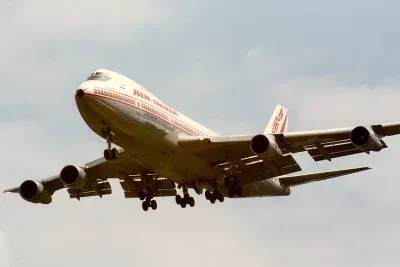
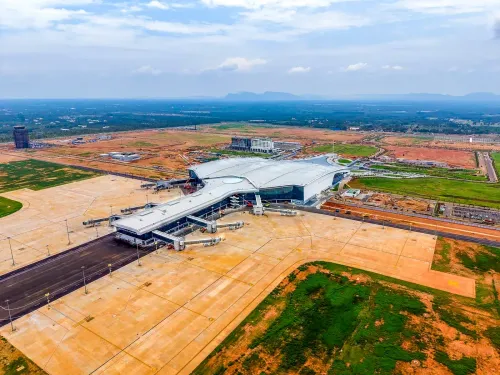
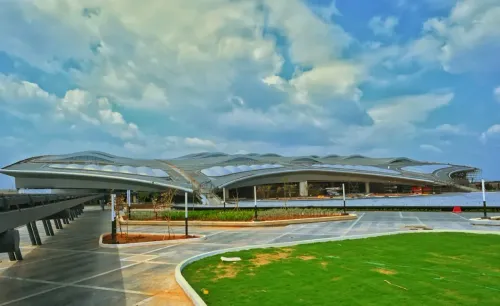
Alluri Sitarama Raju International Airport at Bhogapuram in Vizianagaram district, Andhra Pradesh, commenced full commercial flight operations from 00.01 hours on Monday, 17 August, marking the end of civilian aviation at Visakhapatnam Airport (INS Dega) — an institution that had served the region since 1962. The airport's international air transport code VTZ, long associated with Visakhapatnam, was simultaneously transferred to the new greenfield facility.
First Flights and Opening Moments
The first aircraft to depart the new airport was a Scoot Airlines flight bound for Singapore, which lifted off around midnight. The first domestic arrival — an IndiGo flight from Hyderabad — touched down at 6.45 am, welcomed by GMR representatives along with airport and Vizianagaram district officials. Passengers were gifted Etikoppaka toys as commemorative mementoes. The first domestic departure from the new airport took off for Hyderabad at 7.30 am, with subsequent services to Bengaluru, Delhi, and Hyderabad following through the morning.
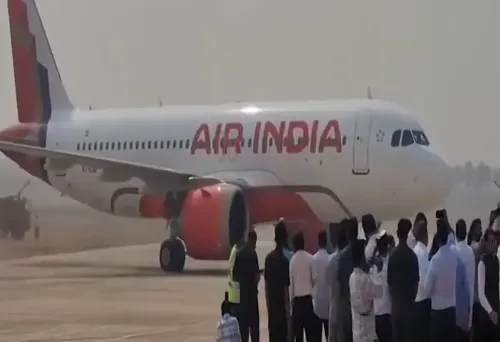
On the inaugural day, 31 flights were scheduled from Bhogapuram, with an estimated 6,000 to 7,000 passengers expected to travel. Airlines currently operating include IndiGo, Air India Express, Air India, and Scoot Airlines, serving domestic destinations such as Hyderabad, Tirupati, Chennai, Bengaluru, Delhi, Kolkata, and Mumbai, as well as international routes to Singapore and Abu Dhabi.
An Emotional Farewell to Visakhapatnam Airport
The transition was not without sentiment. Staff at Visakhapatnam Airport bid a tearful farewell to the last commercial flight — IndiGo 6E 2018 — which departed for Delhi at 10.45 pm on Sunday. The airport, originally built during World War II and opened to civilian operations in 1962, had served as a cornerstone of Visakhapatnam's connectivity for over six decades. According to a notification issued by the Civil Aviation Ministry last month, commercial operations at the Civil Enclave will remain suspended for 30 years, except in cases of national emergency, defence operations, or VIP aircraft movements.
Infrastructure and Scale of Bhogapuram Airport
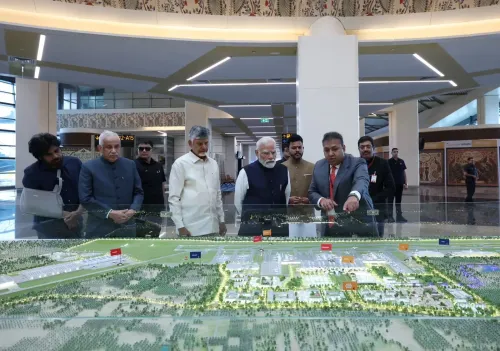
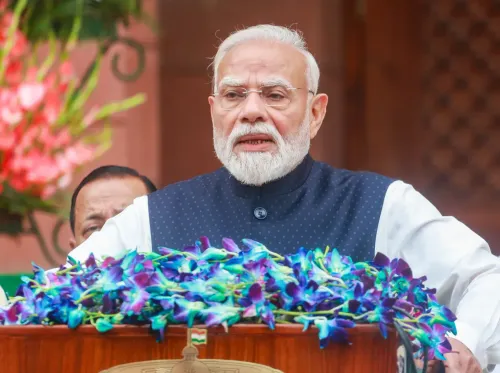
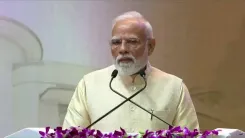
Developed and operated by GMR Visakhapatnam International Airport Limited (GVIAL) under a Public Private Partnership model, the airport was built at a cost of nearly ₹4,727 crore. It was completed in 31 months — roughly five months ahead of schedule — making it among the fastest-completed greenfield international airports in India. Prime Minister Narendra Modi inaugurated the airport on 1 August.
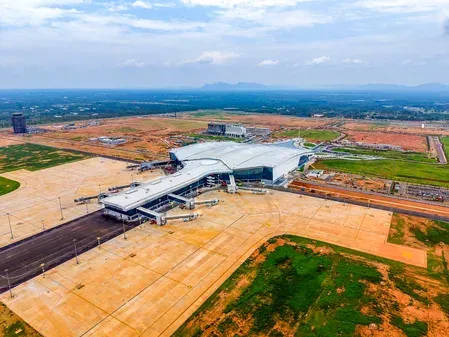
The facility is designed to handle six million passengers annually in its first phase, with a long-term master plan to scale capacity to 40 million passengers annually. Its integrated project footprint spans 2,703.26 acres, comprising 2,203.32 acres for the airport, 500 acres for an aviation hub, and 136.63 acres for an Aviation University and EduCity. The airside infrastructure includes a 3,800-metre Code 4E runway capable of handling wide-body aircraft including the Boeing 777, Boeing 787 Dreamliner, Airbus A330, and Airbus A340, along with a parallel taxiway, rapid-exit taxiways, and 18 aircraft stands.
Displacement of Airport Workers
The transition has come at a human cost. The shift of operations to Bhogapuram has reportedly rendered approximately 1,000 workers at Visakhapatnam Airport unemployed. Affected employees have appealed to both the state and Central governments to provide alternative employment. To ease passenger connectivity in the interim, authorities have deployed 20 electric buses on the route between Visakhapatnam and Bhogapuram Airport, approximately 45 km apart.
Economic Impact and Regional Outlook
The project is expected to catalyse economic growth across the erstwhile Visakhapatnam, Vizianagaram, and Srikakulam districts, with officials projecting benefits for tourism, industrial investment, exports, logistics, and the aerospace and defence sectors. Whether the new airport delivers on that potential will depend on airline capacity additions and regional infrastructure development in the years ahead.
Point of View
000 workers displaced with no confirmed rehabilitation plan is not a footnote; it is a policy failure waiting to deepen. The 30-year suspension of Visakhapatnam Airport also raises a longer question: what happens to the INS Dega civil enclave land, and who benefits from any eventual repurposing? The economic case for Bhogapuram rests on airline growth and regional industrialisation that are projections, not guarantees. Andhra Pradesh needs the airport to succeed — but success requires more than a runway.
NationPress
1 Oct 2026
Frequently Asked Questions
When did Bhogapuram airport start commercial flight operations?
Commercial operations at Alluri Sitarama Raju International Airport in Bhogapuram began from 00.01 hours on Monday, 17 August, with a Scoot Airlines flight to Singapore being the first to depart. All airlines simultaneously shifted from Visakhapatnam Airport to the new facility.
What happened to Visakhapatnam Airport?
Visakhapatnam Airport (INS Dega) ceased all commercial operations as of 17 August, with the Civil Aviation Ministry suspending civilian use for 30 years. The airport, originally built during World War II and open to civilians since 1962, operated its last commercial flight — IndiGo 6E 2018 to Delhi — at 10.45 pm on Sunday, 16 August.
How much did Bhogapuram airport cost and who built it?
The airport was developed by GMR Visakhapatnam International Airport Limited (GVIAL) under a Public Private Partnership model at a cost of nearly ₹4,727 crore. It was completed in 31 months, approximately five months ahead of schedule, and inaugurated by Prime Minister Narendra Modi on 1 August.
What is the passenger capacity of Bhogapuram airport?
Bhogapuram airport is designed to handle six million passengers annually in its first phase. Its master plan envisages expanding capacity to 40 million passengers annually in future phases.
How are displaced Visakhapatnam airport workers being addressed?
Approximately 1,000 workers at Visakhapatnam Airport have reportedly been left unemployed following the shift of operations to Bhogapuram. Affected employees have appealed to the state and Central governments for alternative employment; no formal rehabilitation plan has been announced as of the airport's opening day.