Diwali firecrackers push Bihar AQI to 441 in Buxar, 9 cities hit danger levels
Synopsis
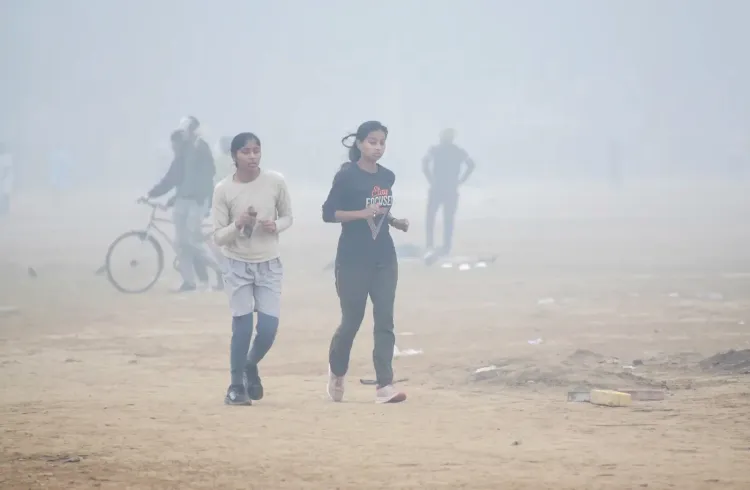
Diwali firecrackers have pushed Bihar's air quality to crisis levels, with Buxar recording an AQI of 441 — among the highest in the country. Nine cities across the state are in the danger zone, exposing millions, especially children and the elderly, to hazardous air. Experts warn that symbolic water-sprinkling measures are no substitute for sustained, state-wide pollution action.
Key Takeaways
Buxar recorded an AQI of 441 on 7 November 2026 , placing it in the 'extremely poor' category.
At least nine Bihar cities reported dangerously high AQI levels following Diwali firecracker emissions.
Bettiah (364) , Motihari (357) , Sasaram (326) , Siwan (326) , and Muzaffarpur (325) also crossed hazardous thresholds.
State capital Patna recorded an AQI of 248 , adding to residents' discomfort from combined urban and festival-related pollution.
Environmental expert Raj Kumar Jha criticised selective road-watering as inadequate and called for sustained, city-wide pollution control measures.
People with respiratory ailments , asthma , children, and the elderly face the highest health risk from the current pollution spike.
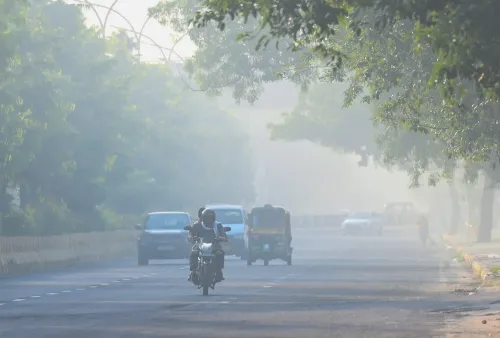
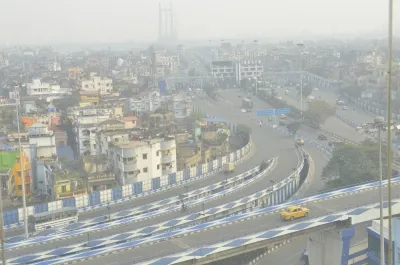
Bihar woke up to hazardous air on 7 November 2026 as Diwali firecracker emissions drove the Air Quality Index (AQI) in Buxar to 441 — firmly in the 'extremely poor' category — posing serious health risks across the state. Available air quality data shows at least nine major Bihar cities recording dangerously elevated pollution readings in the wake of the festival, with widespread particulate matter and smoke blanketing urban centres.
City-wise AQI Readings
Buxar topped the list at 441, followed by Bettiah at 364, Motihari at 357, Sasaram and Siwan both at 326, and Muzaffarpur at 325. Further readings showed Darbhanga at 300, Samastipur at 289, Bhagalpur at 268, and the state capital Patna at 248. It is worth noting that AQI figures may vary depending on the monitoring platform and the time of measurement.
Who Is Most at Risk
Health concerns are particularly acute for residents suffering from respiratory ailments, asthma, and other pre-existing conditions. In Patna, residents reported considerable discomfort from the combined effect of baseline urban pollution and the additional smoke load from firecrackers. Beyond air quality, sustained high-decibel firecracker bursts also contributed to significant noise pollution, affecting elderly residents, children, and those with cardiac or neurological conditions.
What Environmental Experts Said
Environmental expert Raj Kumar Jha urged parents to take direct responsibility for limiting children's exposure to polluted air. 'Children learn from the environment they experience at home. Parents should discourage them from spending long hours outdoors bursting firecrackers. No matter how much effort the government makes, pollution cannot be controlled without public cooperation,' Jha said.
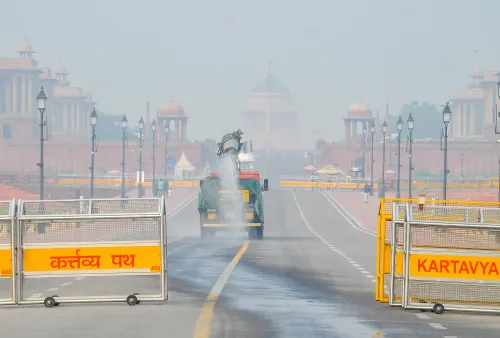
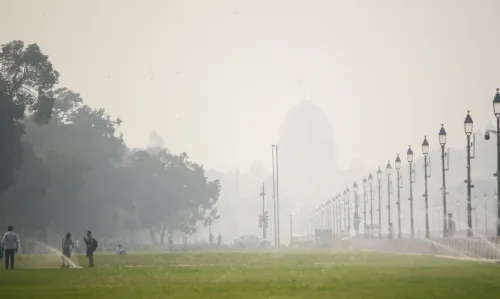
Jha also questioned the efficacy of administration-led measures, specifically the practice of sprinkling water on selected roads. 'Spraying water on roads and focusing only on a few VIP areas will not solve the problem. There is an urgent need to address pollution, garbage, contaminated water and open drains in localities such as Saristabad and Gardanibagh,' he added. He stressed that meaningful pollution control requires sustained, year-round effort rather than symbolic action confined to festival periods.
Systemic Gaps in Pollution Control
The annual Diwali air quality crisis in Bihar reflects a broader structural challenge: pollution monitoring and enforcement mechanisms remain concentrated in select urban zones, leaving outlying cities and working-class neighbourhoods with limited protection. This is not an isolated occurrence — similar spikes were recorded across Bihar in previous years, underscoring that short-term administrative responses have so far failed to deliver lasting improvement.
What Needs to Happen Next
Experts and health advocates argue that addressing Bihar's pollution crisis requires a combination of public awareness campaigns, enforceable restrictions on firecracker use, and investment in environmental infrastructure beyond VIP corridors. With air pollution now a year-round public health concern in the state, the pressure on both the administration and citizens to adopt sustained corrective action is set to intensify.
Point of View
Yet state-level pollution infrastructure remains concentrated in select VIP corridors while localities like Saristabad and Gardanibagh are left out of even basic remediation. Expert criticism of road-sprinkling as performance theatre is well-founded — it treats optics, not particulate matter. Until AQI thresholds trigger legally enforceable restrictions on firecracker use and year-round waste management, the government's festival-season response will remain cosmetic. Bihar's public health burden from air pollution is now a governance question as much as an environmental one.
NationPress
7 Nov 2026
Frequently Asked Questions
What was Bihar's highest AQI reading on Diwali 2026?
Buxar recorded the highest AQI in Bihar at 441 on 7 November 2026, placing it in the 'extremely poor' category. This level poses serious health risks, particularly for people with respiratory conditions and children.
Which Bihar cities recorded dangerous air quality on Diwali?
At least nine cities breached hazardous AQI thresholds: Buxar (441), Bettiah (364), Motihari (357), Sasaram (326), Siwan (326), Muzaffarpur (325), Darbhanga (300), Samastipur (289), Bhagalpur (268), and Patna (248). The readings indicate a state-wide deterioration tied to Diwali firecracker emissions.
Who is most at risk from Bihar's Diwali air pollution?
People with respiratory ailments, asthma, and other pre-existing health conditions are most vulnerable. Children and elderly residents are also at heightened risk — both from hazardous particulate matter in the air and from high-decibel noise pollution caused by sustained firecracker bursts.
What do experts say about pollution control measures in Bihar?
Environmental expert Raj Kumar Jha criticised the administration's reliance on water-sprinkling on select roads as superficial. He called for sustained, city-wide action covering garbage disposal, contaminated water, and open drains — not just measures confined to VIP areas during festival season.
What can citizens do to reduce Diwali air pollution?
Jha urged parents to discourage children from spending long hours outdoors bursting firecrackers and to limit exposure to polluted air. He emphasised that government efforts alone cannot control pollution without meaningful public cooperation and behavioural change at the household level.