Odisha floods: BJD, Congress slam govt over Cyclone Arnab response despite IMD warning
Synopsis
With Cyclone Arnab's floods still battering Ganjam and Gajapati, Odisha's opposition BJD and Congress have gone on the offensive — alleging the state government ignored IMD warnings, allowed embankments weakened by illegal sand mining to fail, and is now more focused on publicity than relief. A threat of escalating protests adds political heat to an unfolding humanitarian crisis.
Key Takeaways
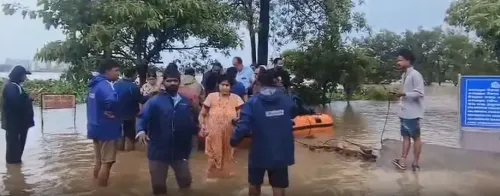
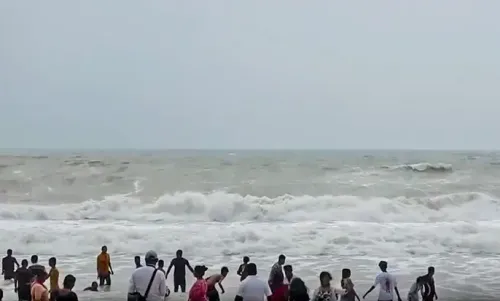
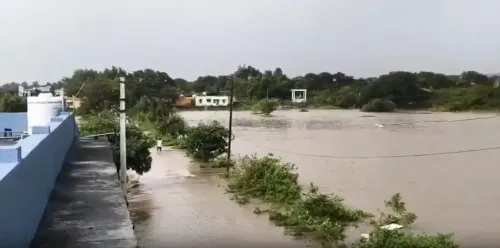
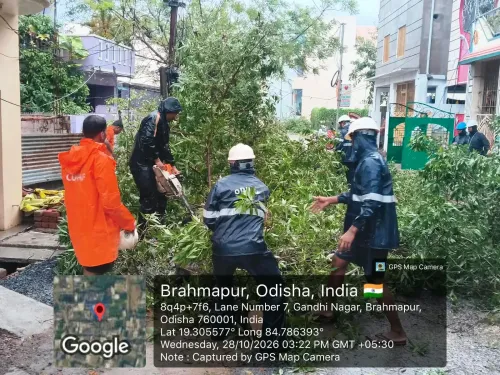
Ganjam and Gajapati districts in Odisha are severely flooded following Cyclone Arnab , with rescue operations ongoing as of 30 October 2026 .
BJD leaders Pramila Mallik and Pratap Jena accused the government of neglecting reservoir management, drainage, and embankment repair despite IMD advance warnings.
Mallik alleged that illegal sand mining had already damaged river embankments in Ganjam and Gajapati before the cyclone struck.
OPCC spokesperson Abhishek Mahananda demanded immediate rescue escalation, damage assessment, compensation, healthcare, drinking water, and restoration of connectivity.
The BJD threatened to intensify democratic agitation if the government does not act swiftly on flood relief.
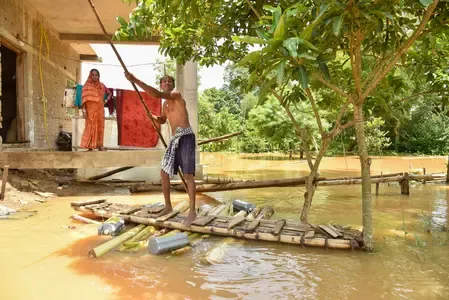
Severe flooding across Ganjam and Gajapati districts of Odisha has triggered sharp political backlash, with the opposition Biju Janata Dal (BJD) and Indian National Congress accusing the state government of criminal unpreparedness despite advance warnings from the India Meteorological Department (IMD) about Cyclone Arnab. The opposition blitz came on Friday, 30 October 2026, as rescue operations remained strained in both districts.
BJD's Charges Against the State Government
At a press conference in Bhubaneswar, senior BJD leader and Chief Whip in the Odisha Legislative Assembly, Pramila Mallik, and BJD Vice-President Pratap Jena questioned the government's readiness at every stage of the crisis. Mallik argued that timely action on three specific fronts — reservoir management, drainage arrangements, and repair of vulnerable river embankments — could have substantially reduced the destruction.
'Had the Government taken preventive measures in advance, such a situation could have been avoided. In particular, the Government should have given priority to reservoir management, proper drainage arrangements and the repair of vulnerable river embankments,' Mallik said.
She further alleged that embankments in Ganjam and Gajapati had already been structurally weakened by illegal sand mining prior to the cyclone, compounding the flood damage. In a pointed jab at the administration, she accused it of prioritising 'publicity and propaganda' over relief delivery, and demanded transparency on the number of helicopters deployed for rescue operations and the quantum of assistance actually reaching flood victims.
BJD Threatens Escalation
The party stopped short of announcing immediate protests but warned that it would 'intensify its democratic agitation' if the government failed to accelerate relief. The warning signals that the flood crisis could deepen into a sustained political battle, particularly given that BJD — which governed Odisha for over two decades before losing power — retains significant organisational reach in the coastal districts worst affected by the cyclone.
Congress Flags Systemic Failures
Odisha Pradesh Congress Committee (OPCC) spokesperson Abhishek Mahananda took a broader aim, arguing that the crisis exposed 'serious gaps in disaster preparedness, coordination and response' by the state. He noted that in an era of satellite-based forecasting and advanced early-warning technology, administrative unpreparedness ahead of a forecast cyclone was indefensible.
'In an age of advanced technology, satellite-based forecasting and early-warning systems, the administration cannot afford to remain unprepared for an impending natural calamity,' Mahananda said, according to reports.
The OPCC placed a specific list of immediate demands before the government: expedited rescue and relief operations, a comprehensive damage assessment, adequate compensation for affected families, emergency healthcare, safe drinking water and sanitation, and restoration of road and communication connectivity in cut-off areas.
Background and What It Means
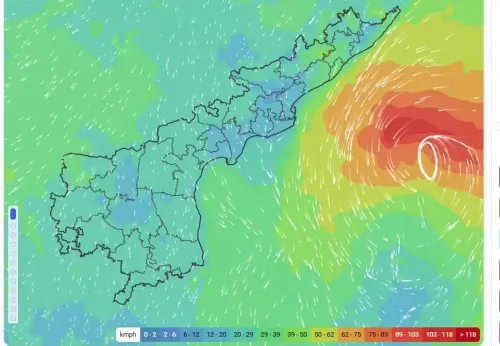
The flooding follows the landfall of Cyclone Arnab, which the IMD had tracked and issued forecasts and warnings for ahead of its impact. Ganjam and Gajapati are among Odisha's most cyclone-exposed districts, having borne repeated hits in past decades. This context makes the opposition's preparedness argument particularly potent — the state has prior experience with similar events and a framework for pre-emptive action. Notably, the current ruling dispensation's handling of this crisis is being measured against the institutional flood-management reputation that Odisha built under previous administrations.
As political pressure mounts, all eyes are on whether the state government will respond publicly to the accountability questions raised — particularly on helicopter deployment and relief figures — or whether it will let relief operations speak for themselves.
Point of View
The illegal sand mining allegation, if substantiated, would shift the narrative from natural disaster to governance failure. The ruling dispensation needs to put numbers on the board fast — both on relief delivered and preparedness decisions taken — or it risks owning not just the flood, but the politics around it.
NationPress
31 Oct 2026
Frequently Asked Questions
Why are BJD and Congress criticising the Odisha government over the Cyclone Arnab floods?
Both parties allege that the state government failed to act on advance warnings issued by the IMD about Cyclone Arnab, neglecting key preparedness steps such as reservoir management, drainage, and repair of river embankments. The criticism intensified as severe flooding hit Ganjam and Gajapati districts.
What is Cyclone Arnab and which areas of Odisha did it affect?
Cyclone Arnab is the storm that brought severe flooding to Ganjam and Gajapati districts of Odisha, with the IMD having issued advance forecasts and warnings before its impact. These coastal districts are among the most cyclone-prone areas in the state.
What did BJD leader Pramila Mallik specifically demand from the government?
Mallik demanded that the government publicly disclose how many helicopters were deployed for rescue operations and how much assistance has actually been provided to flood victims. She also called for immediate priority on relief over what she described as the government's focus on publicity.
What did the Odisha Pradesh Congress Committee demand?
The OPCC, through spokesperson Abhishek Mahananda, demanded that the state government immediately expedite rescue and relief operations, conduct a comprehensive damage assessment, ensure adequate compensation, and restore emergency healthcare, safe drinking water, sanitation, and connectivity in affected areas.
How does the illegal sand mining allegation factor into the flood crisis?
BJD's Pramila Mallik alleged that river embankments in Ganjam and Gajapati had already been structurally weakened by illegal sand mining before the cyclone made landfall, arguing this contributed to the scale of the flooding. The allegation, if verified, would point to a governance failure beyond weather-related factors.