Karnataka BJP, Congress clash over Delhi student protest police action
Synopsis
A student march to Parliament over NEET paper leaks ended in a police crackdown — and Karnataka’s political leaders wasted no time making it a proxy war. Congress is demanding a minister’s head; BJP is calling it an anti-national conspiracy. The real story is the unresolved NEET crisis fuelling the anger.
Key Takeaways
Karnataka BJP and Congress traded accusations on 21 July over police action against 'Parliament Chalo' protesters in New Delhi .
Hariprasad demanded the resignation of Union Education Minister Dharmendra Pradhan over repeated NEET paper leaks.
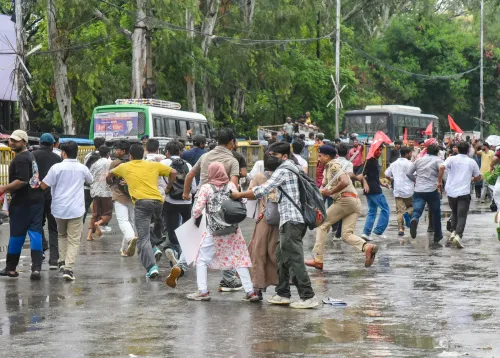
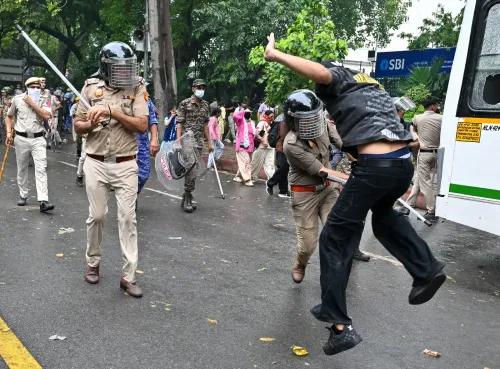
Hariprasad alleged students faced batons, tear gas, and water cannons during a peaceful hunger strike near Jantar Mantar .
Karnataka BJP President B.Y.
Vijayendra called the protest “pre-planned and sponsored,” alleging anti-national elements were behind it.
Union Minister Jagat Prakash Nadda reportedly met student representatives on Monday evening before the crackdown.
Congress demanded immediate medical care for injured students and the release of all those detained.
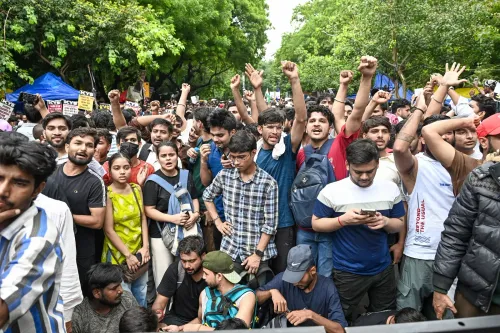
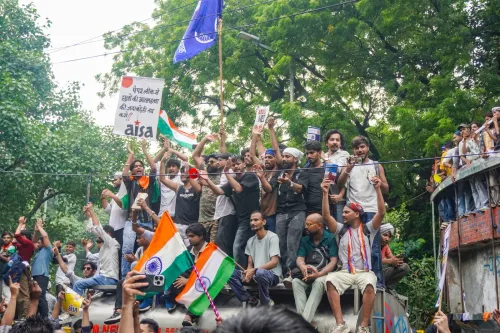
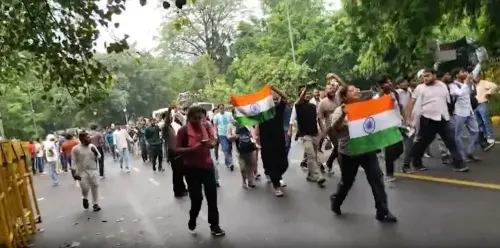
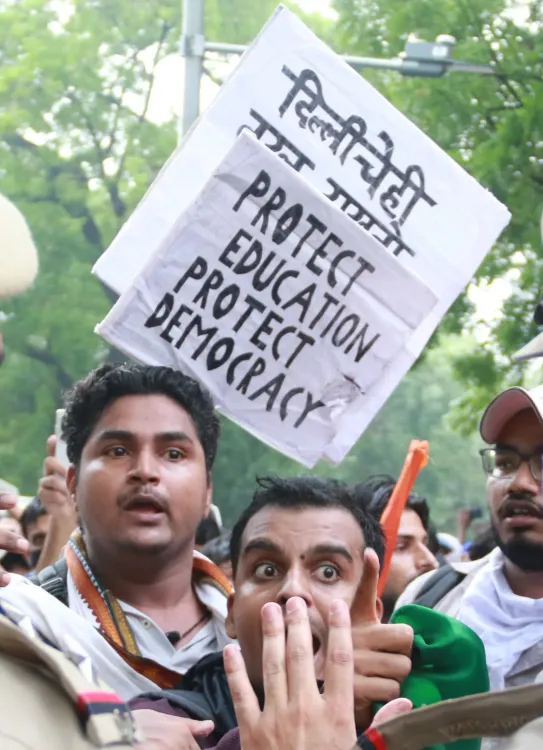
Karnataka's ruling and opposition camps traded sharp accusations on Tuesday, 21 July over the police crackdown on students marching under the 'Parliament Chalo' banner in New Delhi, with the Bharatiya Janata Party (BJP) calling the agitation a “pre-planned conspiracy” and the Indian National Congress (Congress) condemning the lathi charge as an “inhuman assault” on democratic voices. The confrontation follows reported use of batons, tear gas, and water cannons against students staging a hunger strike near Jantar Mantar, demanding accountability over repeated NEET paper leaks.
Congress Demands Resignation, Calls Action Authoritarian
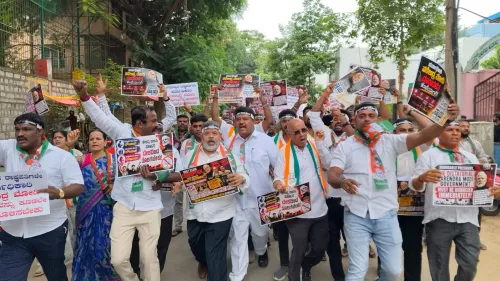
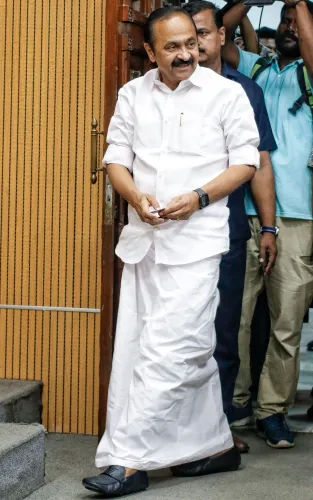
Karnataka Pradesh Congress Committee (KPCC) President B.K. Hariprasad accused the Centre of deploying excessive force against students who were peacefully marching from Jantar Mantar toward Parliament. He called the crackdown a demonstration of “authoritarian cruelty” and demanded the immediate release of detained students and medical care for the injured.
Hariprasad squarely targeted Union Education Minister Dharmendra Pradhan, demanding his resignation on moral grounds over the NEET paper leak controversy. “The government’s inability to protect examination papers has been exposed, and instead of answering students seeking justice, it has displayed its authoritarian cruelty by unleashing police action on them,” he said.
Drawing a pointed historical comparison, the Congress leader alleged that the BJP was replicating methods used by colonial rulers to suppress dissent. He also took aim at Prime Minister Narendra Modi, saying the Prime Minister “who advises students through ‘Pariksha Pe Charcha’ does not have the courage to face the real questions being asked by students.”
BJP Defends Police, Alleges Anti-National Conspiracy
Karnataka BJP President and MLA B.Y. Vijayendra defended the Centre’s handling of the march, asserting that while every citizen holds the democratic right to peaceful protest, attempts to “lay siege to Parliament, incite violence, create anarchy, or destabilise and divide the country” would not be permitted.
Vijayendra alleged that “toolkit gangs” and opposition parties were orchestrating the agitation, and claimed anti-national elements were exploiting student grievances for political ends. He described the protest as “pre-planned and sponsored,” arguing that those engaging in violence could not be considered genuine students.
The BJP leader also noted that Union Minister Jagat Prakash Nadda had met student representatives on Monday evening, framing the government’s engagement as a good-faith effort before the situation escalated. He praised the Delhi Police for acting “in a highly professional manner” with “minimal force,” even as he acknowledged that several security personnel reportedly sustained injuries.
The NEET Controversy at the Centre
The protests are rooted in widespread student anger over recurring allegations of paper leaks in the National Eligibility cum Entrance Test (NEET), which determines admissions to medical colleges across India. Critics argue that systemic failures in exam administration have repeatedly disadvantaged lakhs of aspirants, and that the government has yet to provide credible accountability. This is not the first time student-led demonstrations over NEET have escalated into a political flashpoint.
What Happens Next
With both national parties staking out opposing positions, the episode is likely to intensify pressure on the Centre ahead of the ongoing Parliament session. The Congress has demanded immediate government response on three counts: medical care for the injured, release of detainees, and the resignation of Minister Pradhan. The BJP, meanwhile, has signalled it will not yield to what it characterises as politically motivated street pressure. How the government responds in Parliament in the coming days will be closely watched.
Point of View
Unresolved crisis in NEET administration that has left lakhs of medical aspirants without answers. Labelling protesters as anti-national actors is a well-worn deflection, and the Congress’s colonial-era comparisons are equally performative. What neither party has offered is a concrete fix for the examination system at the heart of the grievance. Until the NEET accountability question is answered with institutional reform — not political theatre — student anger will keep finding its way back to the streets.
NationPress
20 Oct 2026
Frequently Asked Questions
What is the 'Parliament Chalo' protest about?
The 'Parliament Chalo' march was organised by students demanding accountability over repeated paper leaks in the National Eligibility cum Entrance Test (NEET), which governs medical college admissions across India. Protesters gathered near Jantar Mantar in New Delhi and attempted to march toward Parliament, where they were met with police action including batons, tear gas, and water cannons, according to reports.
What did the Congress demand after the police crackdown?
KPCC President B.K. Hariprasad demanded the resignation of Union Education Minister Dharmendra Pradhan on moral grounds, immediate medical treatment for injured students, and the release of all those detained during the protests. He described the police action as an 'inhuman assault' on democratic voices.
How did the BJP respond to allegations of excessive force?
Karnataka BJP President B.Y. Vijayendra defended the Centre's handling of the march, calling it a 'pre-planned and sponsored' protest orchestrated by anti-national elements and opposition parties. He praised the Delhi Police for acting professionally with minimal force and noted that Union Minister Jagat Prakash Nadda had met student representatives on Monday evening.
Why is Education Minister Dharmendra Pradhan being targeted?
The Congress has held Dharmendra Pradhan, as Union Education Minister, accountable for repeated NEET paper leak incidents that students argue have compromised the fairness of medical entrance examinations. Hariprasad argued that the government’s failure to protect exam integrity, followed by a police crackdown on protesters, amounted to a double failure of accountability.
What is the political significance of this clash for Karnataka?
Karnataka is governed by the Congress, making the state a key arena where the ruling party at the state level directly confronts the BJP-led Centre. The sharp exchange between KPCC chief Hariprasad and BJP state president Vijayendra reflects the broader national BJP–Congress rivalry playing out on a state stage, with both sides using the student protest to reinforce their national narratives ahead of the ongoing Parliament session.