Trump signs executive order for women's health division at NIH
Synopsis
President Trump's executive order goes beyond a symbolic gesture — it plants a structural flag inside the NIH itself, creating a dedicated women's health division at a moment when the agency is already under intense political scrutiny. With RFK Jr. chairing the task force and AI earmarked as a research accelerator, the initiative is ambitious in scope; whether it outlasts the administration's own budget battles will be the real test.
Key Takeaways
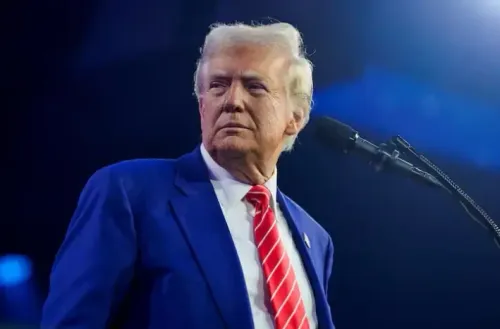
President Donald Trump signed an executive order on 20 October 2025 establishing a women's health division within the NIH .
A White House Women's Health Task Force was also created, to be chaired by HHS Secretary Robert F.
Kennedy Jr. , which held its first meeting the same day.
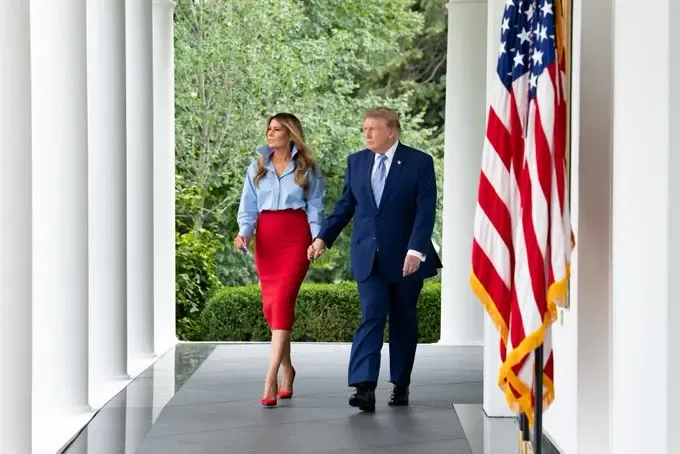
First Lady Melania Trump is credited with developing the initiative and outlined five priorities , including AI-driven research and affordable access to medical advances.
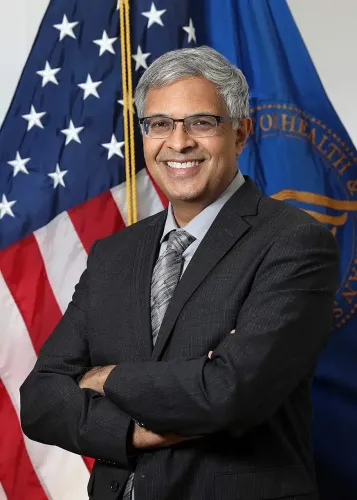
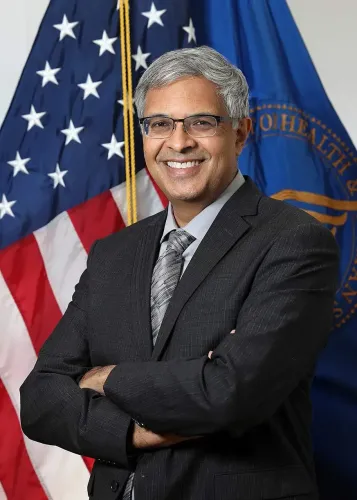
Indian-American NIH Director Jay Bhattacharya attended the ceremony and was personally acknowledged by the President.
The announcement coincided with Breast Cancer Awareness Month in October.
The initiative targets diseases that 'disproportionately affect women' and have historically been understudied, according to Trump.
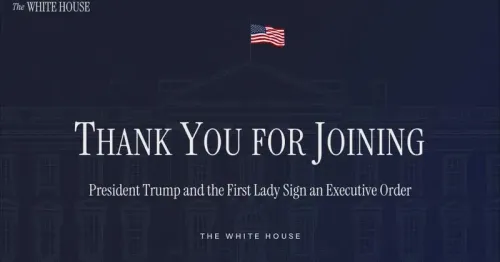
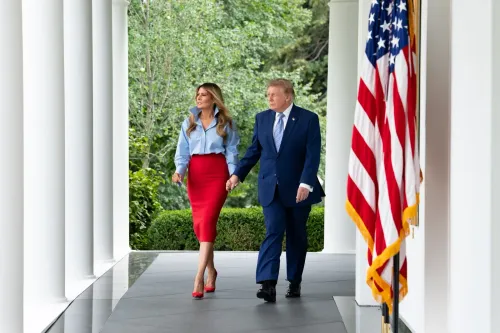
US President Donald Trump on Monday, 20 October 2025, signed an executive order directing the creation of a dedicated women's health division within the National Institutes of Health (NIH) and a White House Women's Health Task Force to accelerate research into diseases disproportionately affecting women. The signing ceremony, held at the White House, was attended by First Lady Melania Trump, Indian-American NIH Director Jay Bhattacharya, and other senior officials.
What the Executive Order Establishes
The order, formally titled 'Advancing Women's Health to Improve Outcomes in All Phases of Life', mandates the Department of Health and Human Services (HHS) to set up the new NIH division focused on conditions that have historically received insufficient research funding. The White House Women's Health Task Force will coordinate efforts across federal agencies, with Health and Human Services Secretary Robert F. Kennedy Jr. appointed to lead it. The task force held its inaugural meeting later the same day.
What Trump and Melania Said
Addressing the gathering, Trump acknowledged the research gap in women's medicine. 'Despite amazing advances in medical science, many diseases and conditions that disproportionately affect women remain chronically understudied,' he said. He credited Melania Trump with developing the initiative, calling the effort a priority for his administration. Melania outlined five priorities for the programme: directing research funding towards diseases that uniquely affect women; leveraging artificial intelligence to deepen understanding of female biology; accelerating the transition of promising therapies from laboratories to patients; ensuring medical advances remain affordable regardless of financial circumstances; and encouraging more open public discussion of women's health issues. 'Beginning today, we will change the reality of women's health,' the First Lady said.
Key Figures at the Ceremony
The announcement drew a notable roster of attendees. NIH Director Jay Bhattacharya, an Indian-American physician and academic, was acknowledged by Trump during his remarks and thanked for his work at the NIH. Also present were Second Lady Usha Vance, who attended with her infant child, and Centers for Medicare and Medicaid Services Administrator Mehmet Oz. White House Chief of Staff Susie Wiles was recognised during the event; Trump referenced her personal experience as a breast cancer survivor.
Timing and Broader Context
The signing coincided with Breast Cancer Awareness Month, observed every October, lending symbolic weight to the announcement. The NIH is the primary biomedical research agency of the United States and already supports work on reproductive health and sex-related differences in disease — yet critics have long argued that women's conditions remain underfunded relative to their disease burden. This initiative represents the most significant executive-level commitment to women's health research at the federal level in recent years, though independent health-policy experts note that the scale of impact will depend on how Congress funds the new division and how robustly the task force coordinates across agencies.
What Comes Next
With the task force's first meeting already completed, the immediate focus shifts to translating the order's directives into funding allocations and research priorities at the NIH. Observers will watch whether the new division receives a dedicated budget line in the next federal appropriations cycle and how quickly the AI-driven research agenda Melania described moves from aspiration to active programmes.
Point of View
Not the White House, and the agency has already faced pressure over appropriations. Melania Trump's five-point framework is substantively coherent, particularly the AI-and-female-biology plank, which aligns with where precision medicine is heading. Yet the presence of RFK Jr. as task force chair will draw scrutiny from mainstream health researchers who remain sceptical of his track record on public health. The initiative's credibility will hinge on whether the new division is led by scientists with peer-reviewed expertise in women's health — and whether its funding survives the next budget cycle.
NationPress
20 Oct 2026
Frequently Asked Questions
What did Trump's executive order on women's health do?
The order directs the Department of Health and Human Services to create a dedicated women's health division within the NIH and establishes a White House Women's Health Task Force to coordinate federal research efforts. It targets diseases and conditions that disproportionately affect women and have historically been understudied.
Who is leading the White House Women's Health Task Force?
HHS Secretary Robert F. Kennedy Jr. has been appointed to chair the task force, which held its first meeting on the same day the order was signed, 20 October 2025.
What role did Melania Trump play in this initiative?
President Trump credited the First Lady with developing the initiative. Melania Trump outlined five priorities at the ceremony, including directing funding towards diseases unique to women, using artificial intelligence to accelerate research, and ensuring treatments remain affordable and accessible.
Why was NIH Director Jay Bhattacharya notable at this event?
Jay Bhattacharya, an Indian-American physician and academic, serves as the current NIH Director and was personally acknowledged by President Trump during his remarks at the ceremony. His attendance signals the NIH's central role in implementing the new division.
Why was the announcement timed to October?
The signing coincided with Breast Cancer Awareness Month, observed annually in October. White House Chief of Staff Susie Wiles, a breast cancer survivor, was also recognised at the event, reinforcing the symbolic alignment.