BJP Leaders Assert Public Support for Women’s Reservation Bill Amidst Opposition
Synopsis
BJP leaders are rallying behind the Women’s Reservation Bill, claiming that the public will not accept any opposition to it. Prime Minister Modi and other officials emphasize the need for unity in supporting this significant legislation aimed at enhancing women's representation in government.
Key Takeaways
BJP leaders firmly support the Women’s Reservation Bill.
Public opposition to the bill will not be tolerated, according to BJP.
Prime Minister Modi emphasizes unity in support of the bill.
The bill aims to enhance women's representation in the Lok Sabha.
Voting on the bill is scheduled for April 18, 2023.
New Delhi, April 17 (NationPress) On Friday, BJP leaders firmly backed the Women’s Reservation Bill, emphasizing that any opposition to this legislation will be rejected by the populace.
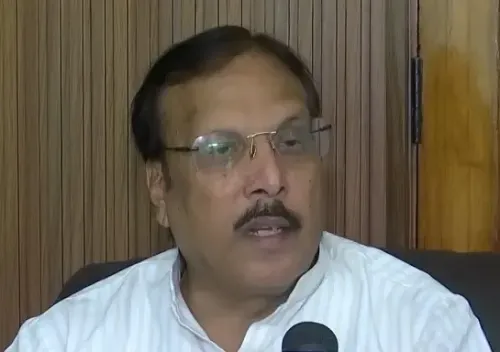
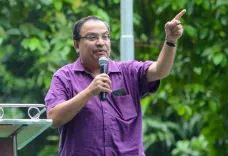
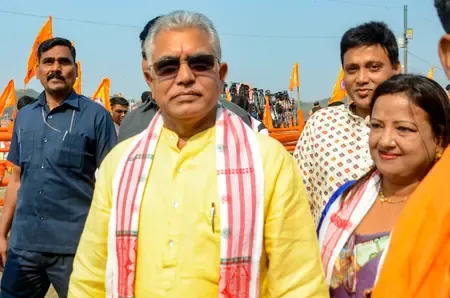
In an interview with IANS from West Bengal, BJP figure Dilip Ghosh stated, "Whenever a bill is introduced for the nation’s benefit, it faces opposition from Trinamool Congress and other rival parties. However, the citizens of this country will not stand for this opposition."
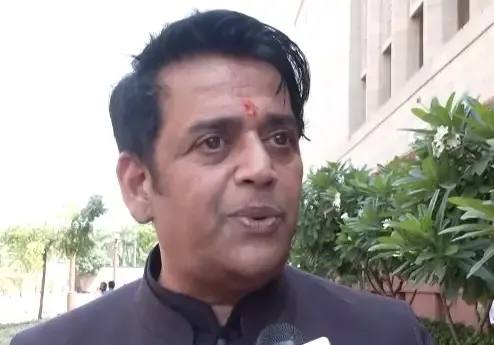
Bihar Minister Ram Kripal Yadav contributed, noting, "When this bill was first presented in the Lok Sabha, it received unanimous approval from all members. Consequently, Prime Minister Narendra Modi urged everyone to collectively support it and ensure the implementation of women’s reservation."
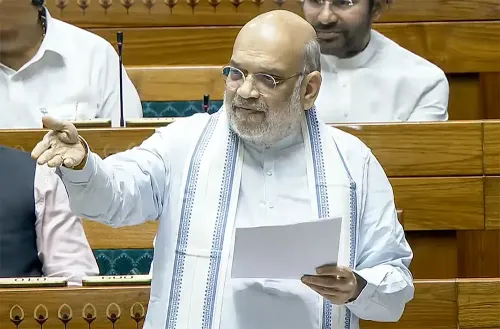
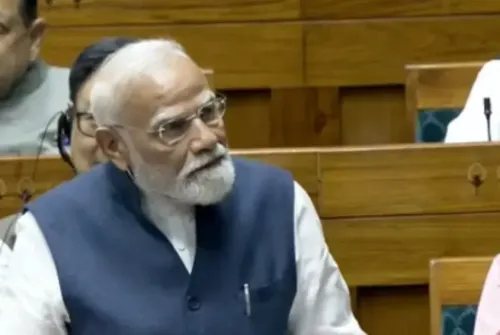
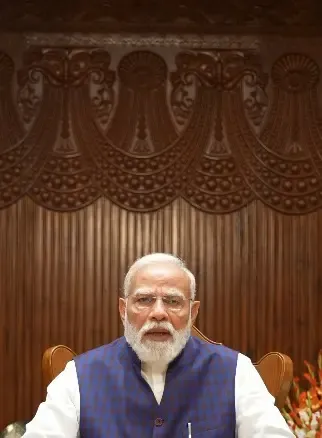
During the Lok Sabha debate on the Women’s Reservation Bill, Prime Minister Narendra Modi remarked that there is "no necessity to politicize this bill" and described it as a chance to inaugurate a new chapter for a ‘Viksit Bharat’.
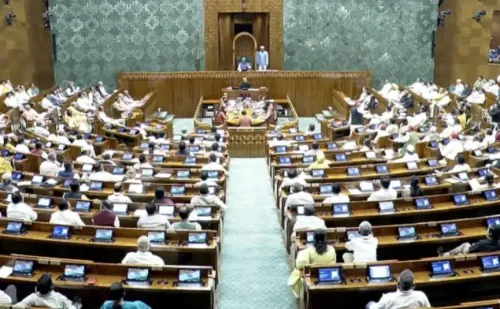
On Thursday, three significant bills were introduced in Parliament's special session: The Constitution (One Hundred and Thirty-First Amendment) Bill, 2026, The Delimitation Bill, 2026, and The Union Territories Laws (Amendment) Bill, 2026, with voting set for 4 p.m. on Friday.
Earlier, Union Parliamentary Affairs Minister Kiren Rijiju indicated that discussions on the bills would last for 12 hours, with the possibility of extending the time if necessary. Lok Sabha Speaker Om Birla later suggested that the debate might extend to 15-18 hours to allow ample opportunity for all members to express their views before the vote.
The special session of Parliament’s Budget Session commenced on April 16 and will persist until April 18, during which these three crucial bills are being addressed.
The government is actively seeking support from the opposition for the bill's amendment, which aims to implement women’s reservation in the Lok Sabha starting from the 2029 general elections, based on the 2011 Census.
Point of View
The BJP's strong defense of the Women’s Reservation Bill indicates a significant push towards enhancing women's representation in politics. The party's leaders underscore the importance of public support and unity in implementing this transformative legislation, reflecting a broader societal commitment to gender equality in governance.
NationPress
18 Sept 2026
Frequently Asked Questions
What is the Women’s Reservation Bill?
The Women’s Reservation Bill aims to reserve a certain percentage of seats for women in the Lok Sabha and state legislative assemblies.
Who has supported the Women’s Reservation Bill?
BJP leaders, including Prime Minister Narendra Modi and Bihar Minister Ram Kripal Yadav, have publicly supported the bill.
When was the Women’s Reservation Bill first introduced?
The bill was first introduced in the Lok Sabha during a special session on April 16, 2023.
What are the key components of the bill?
The bill seeks to implement women's reservation in the Lok Sabha starting from the 2029 general elections, based on the 2011 Census.
How long is the discussion on the bill expected to last?
The discussion on the bill is expected to last for 12 hours, with the possibility of extension.