BJP slams Rahul Gandhi over INDIA bloc's Supreme Court march
Synopsis
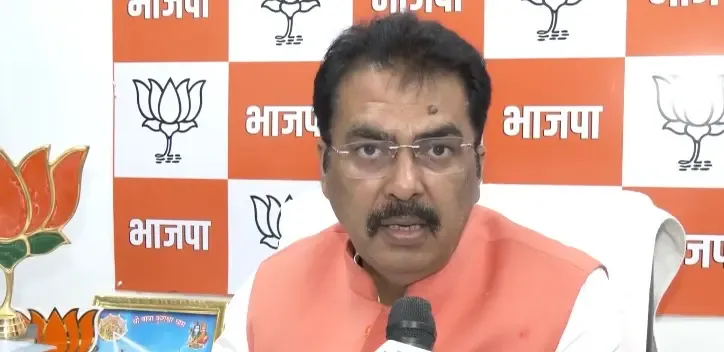
The BJP has come out swinging after the INDIA bloc marched to the Supreme Court over the Special Intensive Revision of electoral rolls — calling it an unprecedented attempt to politically pressure the judiciary. With leaders from three BJP factions piling on, the incident signals that the SIR dispute is fast becoming the defining confrontation between the NDA and the Opposition heading into the next electoral cycle.
Key Takeaways
The BJP on 13 October 2026 condemned the INDIA bloc's march to the Supreme Court as an attempt to pressure the judiciary.
BJP Bihar president Sanjay Saraogi called it a 'direct insult to the judiciary' and cited the Chief Justice's stance against political memorandums in pending cases.
BJP MP Jagdambika Pal questioned Rahul Gandhi's constitutional understanding, saying no Leader of Opposition since Independence had marched against the judiciary.
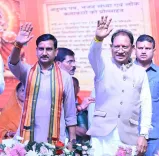
Bihar Minister Pramod Kumar said the protest showed the Opposition had 'no constitutional understanding' and that such acts set a dangerous precedent.
The march is linked to Opposition objections to the Special Intensive Revision (SIR) of electoral rolls, which the INDIA bloc alleges could disenfranchise voters.
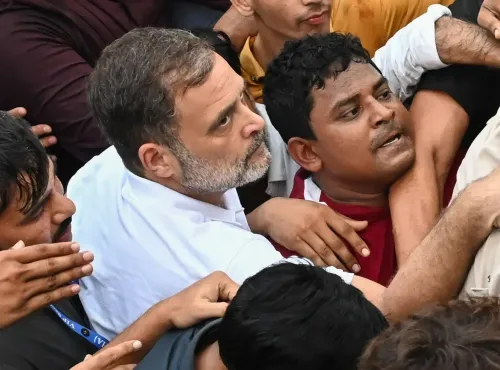
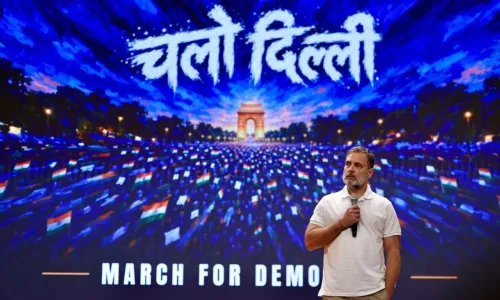
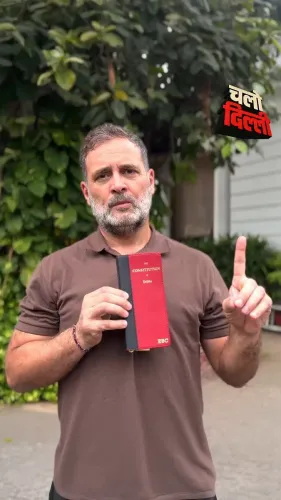
The Bharatiya Janata Party (BJP) on Tuesday, 13 October sharply criticised Leader of Opposition in the Lok Sabha Rahul Gandhi over the INDIA bloc's march to the Supreme Court, accusing him of attempting to exert political pressure on the country's highest judicial institution by mobilising crowds outside its premises.
Key Allegations From BJP Leaders
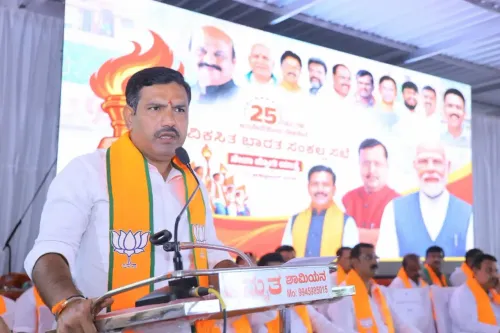
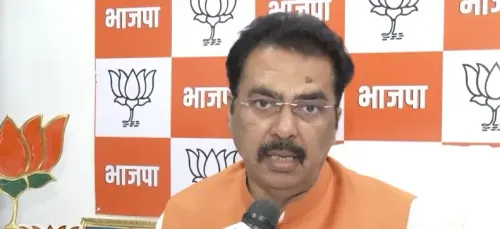
BJP Bihar president Sanjay Saraogi described the protest as a direct affront to the judiciary, calling it a politically motivated spectacle. 'Rahul Gandhi is making a disgraceful attempt to put political pressure on the country's highest court by gathering crowds on the streets. This is a direct insult to the judiciary. The Chief Justice had clearly stated that political memorandums cannot be accepted in cases that are pending before the court. Despite this, staging a spectacle with Akhilesh Yadav and Tejashwi Yadav reflects desperation,' Saraogi said.
He further argued that the Supreme Court is a place where citizens seek justice, not a forum for electoral campaigns. 'It is shameful to portray those who pelted stones at the police as representatives of democracy. The Supreme Court is a place where people seek justice, not a stage for Congress' electoral drama,' he added.
BJP MP Questions Constitutional Understanding
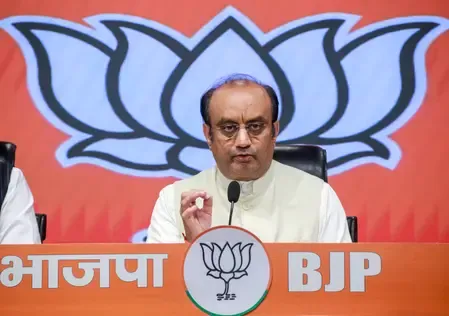
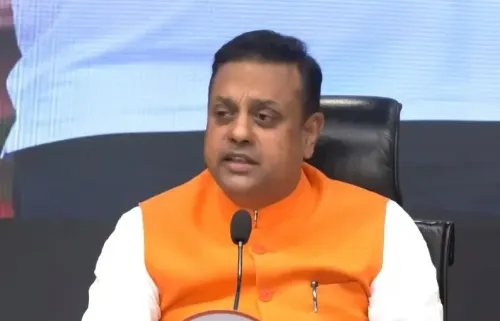
BJP MP Jagdambika Pal acknowledged that Opposition leaders had a democratic right to protest, but questioned the decision to march to the apex court to submit a memorandum. 'Has there ever been a Leader of the Opposition in the country, since Independence, whom anyone could have imagined marching against the judiciary? Neither Rahul Gandhi has knowledge of the Constitution, nor of parliamentary traditions, nor of the independence and impartiality of the judiciary,' Pal said.
Pal also accused the Opposition of damaging India's international image through such protests, attributing the move to frustration over consecutive electoral defeats. He further defended the Special Intensive Revision (SIR) of electoral rolls, which has been a flashpoint for the INDIA bloc's mobilisation, pointing out that sitting governments in Karnataka, Telangana, Himachal Pradesh, and Kerala were elected under the same process.
Bihar Minister Calls It a Constitutional Lapse
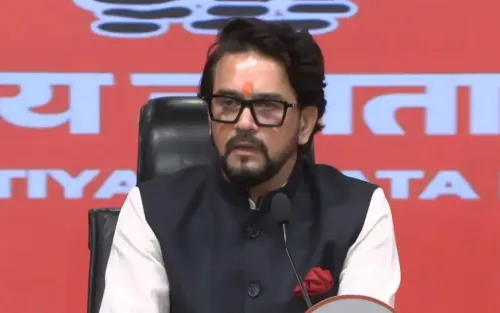
Bihar Minister Pramod Kumar was particularly pointed in his remarks, saying the march demonstrated a lack of constitutional understanding. 'The Supreme Court is not a place for protests. They went there to stage a protest, showing that they have no constitutional understanding,' Kumar said. He also remarked that no precedent existed in independent India for protests being staged inside the Supreme Court premises.
Background and What It Means
The INDIA bloc's march to the Supreme Court is linked to its opposition to the SIR of electoral rolls, which Opposition parties allege is being used to disenfranchise voters. The Supreme Court had earlier indicated it would not accept political memorandums in pending matters. This comes amid an escalating political confrontation between the ruling BJP-led National Democratic Alliance (NDA) and the Opposition alliance, with both sides trading charges over constitutional norms and democratic propriety. Notably, this is not the first time the INDIA bloc's street protests have drawn a sharp response from the treasury benches, but the choice of the Supreme Court as the destination marks a fresh point of contention.
With the SIR issue now firmly in judicial and political spotlight, the coming days are likely to see further sparring over its scope, implementation, and alleged electoral implications.
Point of View
A sitting MP, and a state minister — suggests this is a carefully framed counter-narrative rather than spontaneous reaction. By anchoring the attack on judicial sanctity, the BJP sidesteps the substantive question of whether the SIR process itself warrants scrutiny. The Supreme Court's own stated position on not accepting political memorandums in pending matters gives the BJP a ready institutional shield. What is missing from both sides is a substantive, data-backed argument about the electoral roll revision: the INDIA bloc's march may generate optics, but it has not yet produced a legal brief that moves the needle in court.
NationPress
15 Oct 2026
Frequently Asked Questions
Why did the INDIA bloc march to the Supreme Court?
The INDIA bloc marched to the Supreme Court to submit a memorandum opposing the Special Intensive Revision (SIR) of electoral rolls, which the Opposition alleges could disenfranchise voters. The march on 13 October 2026 was led by figures including Rahul Gandhi, Akhilesh Yadav, and Tejashwi Yadav.
What is the BJP's objection to the Supreme Court march?
The BJP argues that marching to the Supreme Court to submit a political memorandum in a pending case amounts to pressuring the judiciary, which it calls unconstitutional and unprecedented. Multiple BJP leaders cited the Chief Justice's statement that political memorandums cannot be accepted in cases already before the court.
What is the Special Intensive Revision (SIR) of electoral rolls?
The SIR is a process of intensive revision of voter rolls conducted by election authorities to update and verify electoral data. The INDIA bloc has raised concerns that the exercise could be used to delete names of eligible voters, while the BJP has defended it as a legitimate and routine electoral process.
Has the Supreme Court accepted the INDIA bloc's memorandum?
According to reports, the Chief Justice had previously stated that political memorandums cannot be accepted in cases pending before the court. Whether the memorandum submitted during the 13 October march was formally received has not been confirmed in available reports.
Who are the key figures involved in the row?
On the Opposition side, Rahul Gandhi, Akhilesh Yadav, and Tejashwi Yadav were part of the march. BJP's response was led by Bihar president Sanjay Saraogi, MP Jagdambika Pal, and Bihar Minister Pramod Kumar, all of whom questioned the constitutional propriety of the protest.