Rahul Gandhi's SC march a 'childish attempt' to pressure judiciary: Bihar BJP chief
Synopsis
Bihar BJP chief Sanjay Saraogi called Rahul Gandhi’s attempted march to the Supreme Court to submit a memorandum to CJI Surya Kant a ‘childish attempt’ at judicial pressure — hours after the CJI had already declined to receive it. With alleged stone-pelting in Delhi and accusations of intimidating the Election Commission, Monday’s events mark a sharp escalation in the ruling alliance versus opposition standoff.
Key Takeaways
Bihar BJP President Sanjay Saraogi on 12 October 2026 called Rahul Gandhi’s planned march to the Supreme Court a ‘childish attempt’ to pressure the judiciary.
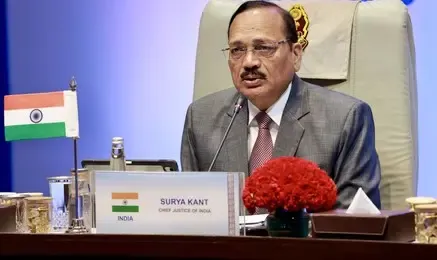
CJI Surya Kant had already declined the request by Gandhi and INDIA bloc leaders to receive their memorandum.
Saraogi alleged stone-pelting by protesters on security officials in Delhi and accused the opposition of attempting to pressure the Election Commission of India .
CJP spokespeople Saurav Das and Ashutosh Ranka were separately accused of causing a disturbance at Parliament Street police station .
Saraogi noted that the electoral process involves more than 35 lakh officials and spans 120–150 days , dismissing demands for immediate action as politically motivated.
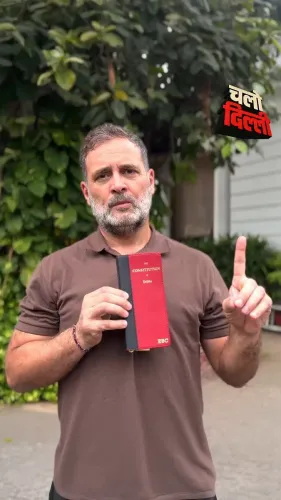
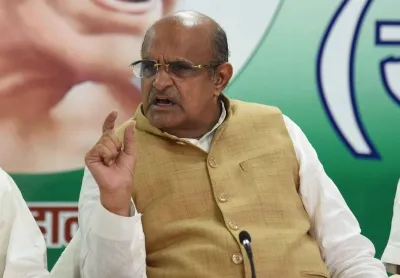
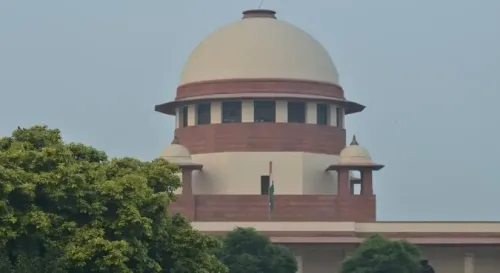
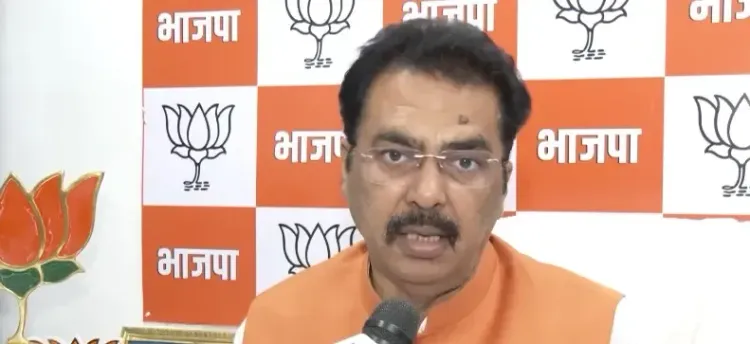
Bharatiya Janata Party (BJP) Bihar President Sanjay Saraogi on Monday, 12 October 2026, sharply criticised Leader of the Opposition in Lok Sabha Rahul Gandhi's planned march to the Supreme Court to submit a memorandum to Chief Justice of India (CJI) Surya Kant, calling it a “childish attempt” to exert political pressure on the country’s highest court. Saraogi's remarks came after CJI Surya Kant had already declined the request from Gandhi and other INDIA bloc leaders to receive their memorandum.
BJP's Sharp Rebuke
Speaking to reporters in Patna, Saraogi did not mince words. “This is a childish attempt to put political pressure on the judiciary. These are immature acts. The unruly mob that pelted stones at the police and Rahul Gandhi going to the Chief Justice’s doorstep to submit a memorandum are unacceptable. The country’s Supreme Court is not a platform for political rallies,” he said.
Saraogi added: “If you have the courage, file a legal petition. Congress lawyers have filed petitions several times. Therefore, do not turn this into a political spectacle on the streets. The Chief Justice has already said that your case can be heard in court and that you should present your legal arguments there.”
Allegations of Street Chaos and Pressure on Poll Body
The Bihar BJP chief went further, accusing the opposition of orchestrating public disorder and attempting to intimidate the Election Commission of India (ECI). “The country is witnessing this cheap spectacle of creating chaos on the streets and putting pressure on the Election Commission. Surrounding Jantar Mantar without permission, breaking barricades, and pelting stones at Akashvani Bhawan are unacceptable under any circumstances,” Saraogi said.
He also singled out alleged stone-pelting by protesters on security officials in Delhi as a separate but related flashpoint, describing both incidents — the violence and the Supreme Court march — as part of the same pattern of political overreach.
CJP Spokespeople Also in the Crosshairs
Saraogi also trained his fire on Cockroach Janata Party (CJP) spokespeople Saurav Das and Ashutosh Ranka, alleging that their visit to Parliament Street police station — where they reportedly demanded time and created a disturbance while claiming to maintain peace — was objectionable. “If they have any evidence, let them present it,” he said.
Context: The Wider Election Process
Saraogi framed the unfolding controversy within the broader electoral timeline. “This is not a one-day process. It is a process that takes 120–150 days, involving more than 35 lakh government and political party officials,” he said, suggesting that opposition demands for expedited action were unrealistic and politically motivated.
The INDIA bloc’s planned march to the Supreme Court and the CJI’s refusal to receive the memorandum have set the stage for a sharp exchange between the ruling alliance and the opposition, with both sides digging in ahead of what appears to be an escalating political confrontation.
Point of View
But it sidesteps a harder question: why did the CJI decline even to receive a memorandum from the official Leader of the Opposition? That refusal itself is unusual and deserves scrutiny. Saraogi’s call to ‘file a legal petition’ is technically correct but misses the political nature of the demonstration, which was designed for public optics as much as legal remedy. The invocation of stone-pelting — a separate incident — alongside the memorandum march conflates two distinct events, a rhetorical manoeuvre that inflates the opposition’s alleged transgression. The broader pattern here is a hardening of positions on both sides as electoral contestation intensifies.
NationPress
12 Oct 2026
Frequently Asked Questions
What did Sanjay Saraogi say about Rahul Gandhi's Supreme Court march?
Bihar BJP President Sanjay Saraogi called Rahul Gandhi’s planned march to the Supreme Court a ‘childish attempt’ to put political pressure on the judiciary. He said the country’s Supreme Court is not a platform for political rallies and urged the opposition to file a legal petition instead.
Why did Rahul Gandhi plan to march to the Supreme Court?
Rahul Gandhi and other INDIA bloc leaders planned to march to the Supreme Court to submit a memorandum to Chief Justice of India Surya Kant. However, CJI Surya Kant declined their request to receive the memorandum.
What is the BJP’s allegation about the Election Commission?
Bihar BJP chief Saraogi accused the opposition of attempting to pressure the Election Commission of India by creating chaos on the streets. He specifically cited the surrounding of Jantar Mantar without permission and the breaking of barricades as unacceptable acts.
Who are Saurav Das and Ashutosh Ranka, and why were they mentioned?
Saurav Das and Ashutosh Ranka are described as spokespeople of the Cockroach Janata Party (CJP). Saraogi alleged they visited Parliament Street police station and created a disturbance while claiming to be maintaining peace, calling their conduct objectionable.
What is the significance of the 35 lakh officials and 120–150 day timeline cited by Saraogi?
Saraogi cited the scale of the electoral process — involving more than 35 lakh government and political party officials over 120–150 days — to argue that opposition demands for immediate action were unrealistic and politically motivated rather than genuinely procedural.