BLA's Khuzdar strike targets alleged architect of Pakistan's death-squad network
Synopsis
The BLA's three-hour assault on Shafiqur Rehman Mengal's fortified Khuzdar compound was not a routine insurgent strike — analysts say it was a calculated hit on what the BLA calls Pakistan's covert counterinsurgency infrastructure, where tribal power, jihadist networks, and military intelligence allegedly converge under one roof.
Key Takeaways
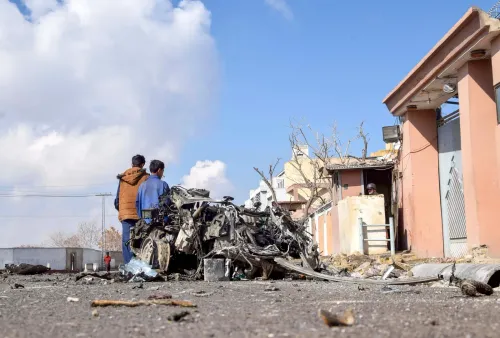
The BLA's Majeed Brigade attacked Shafiqur Rehman Mengal's fortified compound in Khuzdar, Balochistan on 8 July .
Pakistani authorities reported at least 17 killed and 30 wounded ; the BLA claimed 34 dead , including alleged IS-K and Lashkar-e-Taiba operatives.
Mengal , a PPP local leader and President of the Jhalawan Panel , survived the attack.
Baloch nationalists and rights groups have for nearly two decades reportedly identified Mengal as a key figure behind the Musallah Defah Tanzeem (MDT) death-squad network — allegations not formally adjudicated.
The compound was reportedly described as a 'state within a state,' allegedly housing private detention and interrogation facilities.
The strike signals a BLA tactical shift toward high-value, heavily fortified targets in Balochistan.
The Baloch Liberation Army (BLA) attack on 20 July against the heavily fortified compound of Shafiqur Rehman Mengal — a local leader of the Pakistan Peoples Party (PPP) in Balochistan's Khuzdar district — was far more than a conventional insurgent strike, according to an analysis by Stringer Asia. The assault, analysts argue, was directed at what the BLA considers a central node in Pakistan's covert counterinsurgency machinery.
What Happened on 8 July
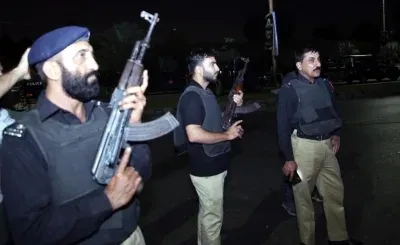
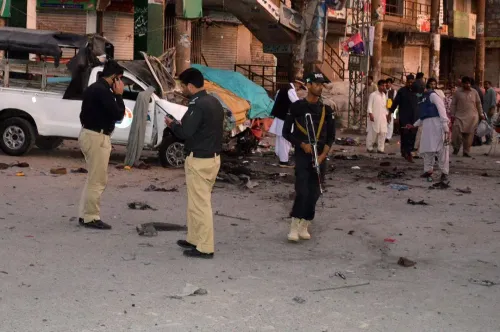
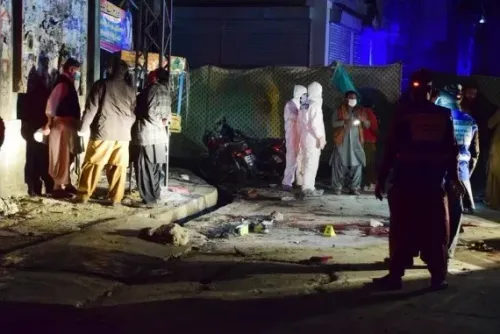
On 8 July, the Majeed Brigade of the BLA deployed a vehicle-borne explosive device against the main entrance of Mengal's Khuzdar compound, destroying the gate, defensive positions, and part of the structure. Armed fighters then stormed the compound, and the ensuing battle lasted more than three hours, involving rockets, grenades, and heavy weapons, according to the Stringer Asia report.
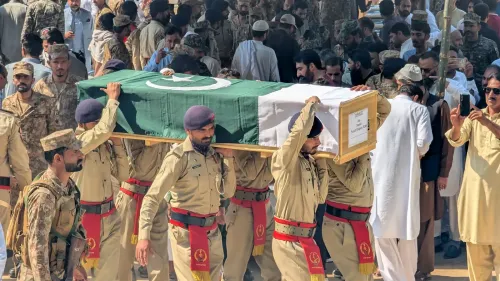
Pakistani authorities initially reported at least 17 people killed — including Mengal's guards and police personnel — with around 30 wounded. The BLA subsequently claimed a higher toll, alleging that 34 members of Mengal's network had died, including operatives it linked to Islamic State Khorasan Province and Lashkar-e-Taiba. Mengal himself survived the attack.
Who Is Shafiqur Rehman Mengal
Pakistani press accounts described the strike as an attack on a politician's residence — technically accurate, the Stringer Asia report noted, in the same way that calling a military bunker a country house would be technically accurate. Mengal is also identified as President of the Jhalawan Panel.
For nearly two decades, Baloch nationalist groups, human rights activists, and political rivals have reportedly identified Mengal as one of the principal architects of a Pakistan-backed death-squad network targeting both the Baloch insurgency and civilian nationalist movements. These are allegations; Pakistani authorities have not publicly endorsed this characterisation.
The Musallah Defah Tanzeem Allegations
The organisation reportedly founded by Mengal — Musallah Defah Tanzeem (MDT) — stands accused of targeting not only armed separatists but also students, political activists, journalists, religious minorities, and personal rivals, according to the Stringer Asia analysis. His compound and areas under his control were frequently described as a 'state within a state,' allegedly housing private detention centres and torture facilities beyond the reach of formal law.
These allegations have not been independently verified by Pakistani courts or international human rights bodies, and Mengal has not been formally charged in connection with them.
Why This Strike Carries Political Weight
The BLA framed the Khuzdar operation as an attack on what it characterises as a convergence point of tribal power, organised crime, jihadist militancy, electoral politics, and military intelligence. 'This is why the attack on Mengal's compound was politically more important than an ordinary strike on a pro-government figure,' Stringer Asia asserted.
This comes amid longstanding international scrutiny of Pakistan's counterinsurgency methods in Balochistan, where enforced disappearances and extrajudicial networks have been documented by human rights organisations. The BLA strike, if its framing holds, represents a deliberate effort to expose and disrupt those structures rather than simply inflict casualties.
Broader Implications for Balochistan
The attack underscores an escalating pattern of BLA operations targeting high-value, well-protected assets rather than soft targets — a tactical evolution that security analysts have noted over the past two years. The three-hour battle, the alleged presence of jihadist operatives within Mengal's network, and the scale of fortification at a civilian politician's residence all point to a deeper militarisation of Balochistan's political landscape. How Islamabad responds — and whether it addresses the structural allegations against figures like Mengal — will shape the trajectory of the conflict.
Point of View
It raises questions that Islamabad cannot answer without implicating its own counterinsurgency doctrine. The mainstream coverage that reduces this to an 'attack on a politician' misses the point entirely. The real story is what a three-hour battle at a fortified residential compound in a Pakistani district tells us about who actually controls Balochistan's security architecture — and for whom.
NationPress
20 Oct 2026
Frequently Asked Questions
What happened in the BLA attack on Shafiqur Rehman Mengal's compound?
On 8 July, the BLA's Majeed Brigade detonated a vehicle-borne explosive at the main entrance of Mengal's heavily fortified compound in Khuzdar, Balochistan, followed by a three-hour armed battle involving rockets, grenades, and heavy weapons. Pakistani authorities reported at least 17 killed and around 30 wounded; the BLA claimed 34 dead. Mengal survived.
Who is Shafiqur Rehman Mengal?
Shafiqur Rehman Mengal is a local leader of the Pakistan Peoples Party (PPP) in Balochistan's Khuzdar district and President of the Jhalawan Panel. Baloch nationalists and human rights activists have for nearly two decades reportedly identified him as a key architect of a Pakistan-backed death-squad network — allegations that have not been formally adjudicated.
What is the Musallah Defah Tanzeem (MDT)?
The Musallah Defah Tanzeem (MDT) is an organisation reportedly founded by Mengal, accused by Baloch groups and rights activists of targeting armed separatists, students, political activists, journalists, and religious minorities. The MDT has been described as a proxy counterinsurgency force operating beyond formal legal oversight.
Why does the BLA consider the Khuzdar compound a strategic target?
The BLA characterises Mengal's compound as a convergence point of tribal power, organised crime, jihadist militancy, electoral politics, and military intelligence — making it, in their framing, a central node of Pakistan's covert counterinsurgency infrastructure rather than a civilian residence.
What is the broader context of BLA attacks in Balochistan?
The Khuzdar strike reflects a tactical shift by the BLA toward high-value, heavily fortified targets, part of an escalating pattern of operations over the past two years. It comes amid longstanding international scrutiny of Pakistan's counterinsurgency methods in Balochistan, where enforced disappearances and extrajudicial networks have been documented by human rights organisations.