Are Rising Baloch Attacks Indicating the Failure of the Pakistani Army’s 'Hard State Policy'?
Synopsis
The recent surge in Baloch attacks against Pakistan's security forces highlights the inefficacy of the Pakistani Army's coercive strategies. As dissent is suppressed in Balochistan, the situation illustrates a shift in local dynamics and the challenges faced by the military, prompting urgent discussions about governance and human rights.
Key Takeaways
Recent Baloch attacks expose failures in military intelligence.
Escalating violence reflects deep-rooted ethnic grievances.
Human rights abuses continue to fuel local discontent.
The situation calls for urgent political reform and dialogue.
Increased local support for armed groups poses challenges for the Pakistani state.
Washington, Feb 22 (NationPress) The recent incidents involving Baloch militant groups targeting Pakistan’s security personnel highlight the failures of the coercive governance strategy led by Pakistani Army chief Asim Munir. This comes amid a near-total crackdown on dissent throughout Balochistan, according to a report released on Sunday.
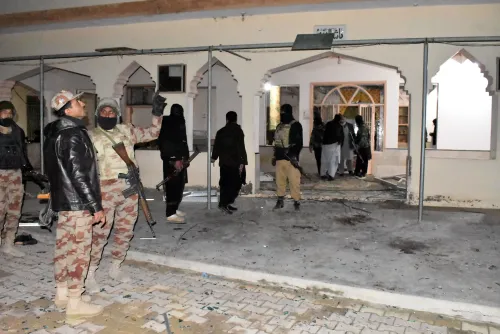
In an article for the American media platform PJ Media, Turkish journalist Uzay Bulut contended that the attack carried out by the Balochistan Liberation Army (BLA) on February 1 revealed a significant oversight by Pakistani intelligence, which failed to anticipate such a large-scale assault, indicating a collapse in intelligence operations and suggesting an increase in local support for Baloch armed groups.
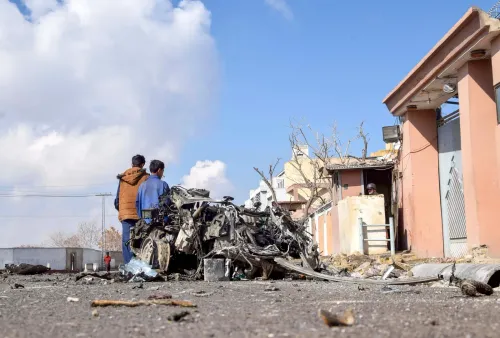
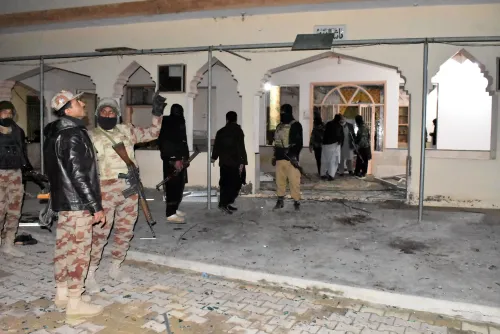
“Pakistan is engaged in a domestic conflict, and the results are devastating. The region of Balochistan, located in southwestern Pakistan, has seen a resurgence of insurgency marked by numerous gun and grenade assaults that have resulted in over 50 fatalities. In an unusual acknowledgment, Pakistan's Defence Minister Khawaja Asif admitted that the army is ‘handicapped’ in its conflict with Baloch militants,” Bulut noted.
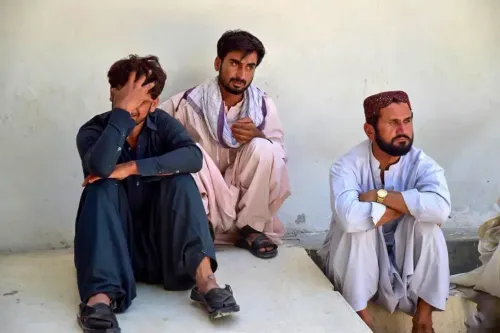
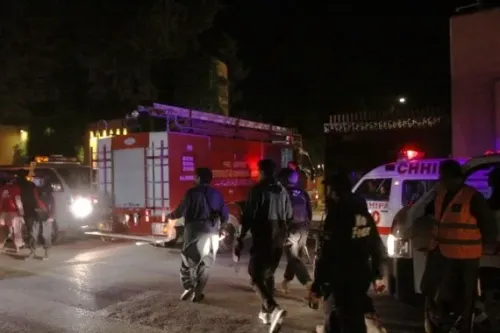
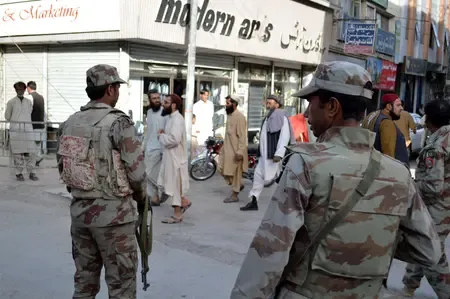
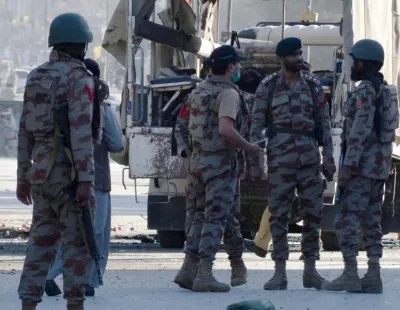
“On February 1, a series of gunfire and bombings throughout Balochistan led to the deaths of 31 civilians and 17 members of the security forces, as reported by the province's Chief Minister Sarfraz Bugti. The BLA claimed responsibility for the attacks, asserting that numerous soldiers were also killed,” she added.
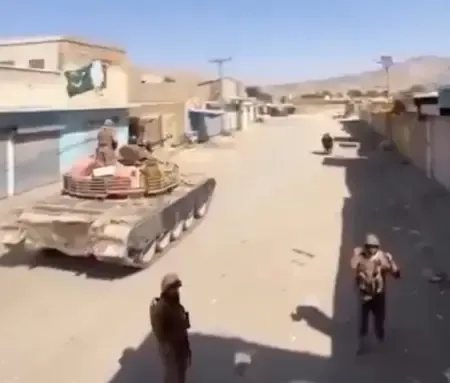
Referring to reports from 2025, Bulut pointed out that Balochistan’s armed separatist groups, particularly the BLA and its allies in the Baloch Raaji Aajoi Sangar (BRAS) coalition, have transitioned from quick strikes to temporarily taking control of towns, key infrastructure, and stretches of highways. This shift reflects the Pakistani Army’s failure to establish a lasting presence in Balochistan.
The report also revealed that Balochistan has suffered from decades of extensive human rights violations, systematic exploitation of local resources, political oppression, lack of autonomy, and conflicts with Pakistani security forces.
“This environment has fostered ethnic unrest and profound resentment towards the Pakistani government. Local Baloch activists argue that the government keeps them impoverished while extracting regional wealth. Instead of acknowledging the Baloch's rights to self-determination, the Pakistani security apparatus resorts to violent measures, including enforced disappearances,” it stated.
According to the report, tens of thousands of ethnic Baloch individuals, including students, activists, and professionals, have experienced enforced disappearances at the hands of Pakistani security forces over the last twenty years.
“The victims often lack legal representation, are held without communication, and face torture, cruel treatment, or even extrajudicial killings. While some do return after years, they are left traumatized and broken. Many never make it back, and others are discovered in unmarked graves, their bodies so mangled they remain unidentifiable,” it concluded.
Point of View
It is crucial to acknowledge the complexities and sensitivities surrounding the Balochistan issue. Our commitment is to present the facts while emphasizing the urgent need for dialogue and understanding, focusing on the plight of the Baloch people and the broader implications for Pakistan's governance and human rights.
NationPress
27 Sept 2026
Frequently Asked Questions
What triggered the recent Baloch attacks on security forces?
The attacks have been attributed to rising discontent due to decades of human rights abuses and political repression in Balochistan.
How does the Pakistani government respond to Baloch dissent?
The government has employed coercive measures, including enforced disappearances and violent crackdowns on protests.
What impact have these attacks had on local communities?
The violence has exacerbated tensions and deepened ethnic divisions, leading to greater support for armed separatist movements.
What does the future hold for Balochistan?
The continued violence and repression suggest a critical need for reforms and recognition of Baloch rights to avert further conflict.
Who are the main groups involved in the Baloch insurgency?
The Balochistan Liberation Army (BLA) and its allies in the Baloch Raaji Aajoi Sangar (BRAS) coalition are key players in the insurgency.