Is Balochistan's Unrest a Reflection of Pakistani Authorities' Longstanding Failures?
Synopsis
The escalating violence in Balochistan is a complex issue that goes beyond mere security concerns. The persistent failures of Pakistani authorities are evident, raising questions about governance, human rights abuses, and economic inequalities. This report sheds light on the deep-rooted grievances in the region and their implications for local communities.
Key Takeaways
Balochistan's unrest is rooted in a complex historical context.
Human rights abuses, such as enforced disappearances , are prevalent.
The province is economically disadvantaged despite its rich resources.
Local communities feel marginalized by developments like the CPEC .
Political and economic inequalities are fueling the conflict.
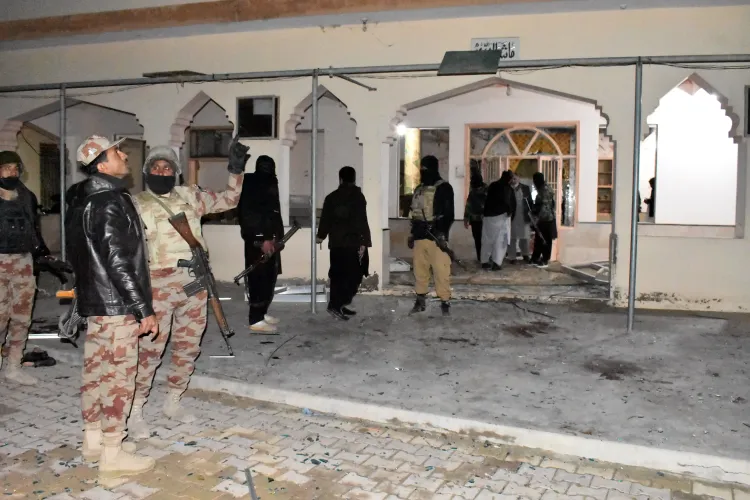
Dodoma, Feb 16 (NationPress) The recent violence in Balochistan, Pakistan, highlights not just security dilemmas, but also what critics label as ongoing failures by Pakistani authorities to adequately address the issues faced by the province, according to a report released on Monday.
Moreover, documented instances of human rights violations — notably enforced disappearances and suspected extrajudicial killings — have created a climate where, as activists point out, peaceful opposition is treated as criminality, compelling some to resort to armed struggle as their only means for change.
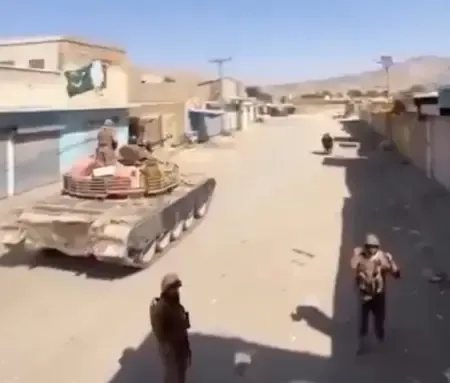
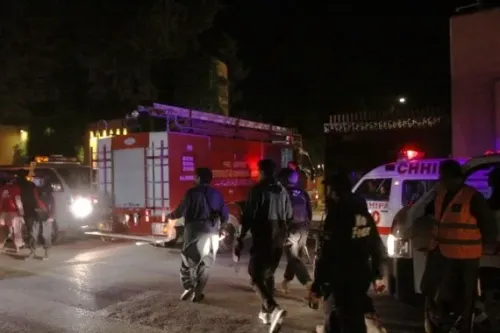
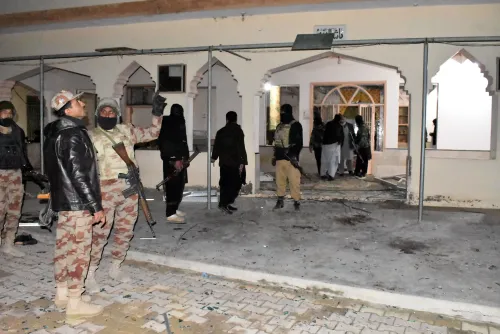
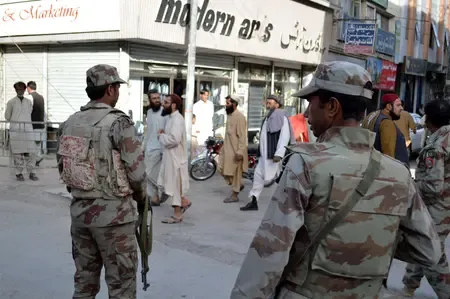
“On January 31, Balochistan experienced one of the deadliest days in its recent history. The Balochistan Liberation Army (BLA) initiated what it referred to as 'Operation Hero 2.0'— executing synchronized attacks across 12 districts, including Quetta, Gwadar, and Mastung. Official reports indicate that 17 security personnel and 31 civilians lost their lives,” detailed a report from the Tanzania-based news outlet ‘The Citizen’.
“Pakistani forces asserted that 145 insurgents were killed in counteractions, a claim the BLA contested. The assaults comprised gunfire, suicide bombings, and temporary takeovers of police stations and government establishments. Following the incidents, reports have surfaced of heightened security measures in the region, raising alarms among human rights advocates about the treatment of local inhabitants,” it added.
The report suggests that the recent unrest in Balochistan is part of a larger pattern and indicates a serious escalation in a conflict deeply rooted in Pakistan’s past. To comprehend the crisis, it is crucial to look into enduring grievances, documented human rights violations, economic disparities, and what critics refer to as “political ineptitude”.
“Balochistan occupies 44% of Pakistan’s land area yet constitutes only 6% of its population. Despite having abundant natural resources — including the Sui gas fields, which supply around 35-40% of Pakistan’s natural gas, alongside significant deposits of copper, gold, and coal — the province remains the poorest in Pakistan, with about 70% of its residents experiencing multidimensional poverty and an unemployment rate of 33%,” the report highlighted.
“The province receives only 12.5% of gas revenue despite being a principal supplier of natural gas, along with 9.7% of allocations from the National Finance Commission. Critics contend that these distributions are profoundly disproportionate to the province’s contributions in resources,” it noted.
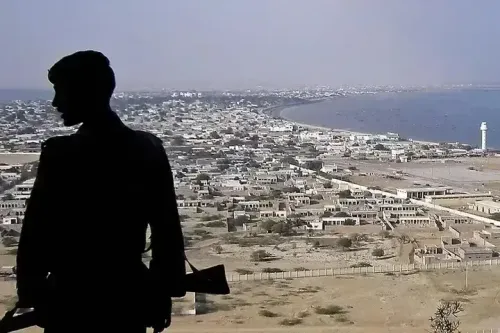
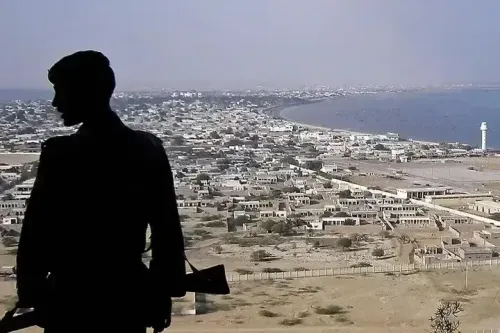
The report emphasized that the $62 billion China Pakistan Economic Corridor (CPEC), particularly the development of Gwadar port in Balochistan, has become a significant point of contention.
“Local populations have raised alarms about displacement and economic exclusion, claiming they have been sidelined from job opportunities and decision-making concerning projects on their lands,” it stated.
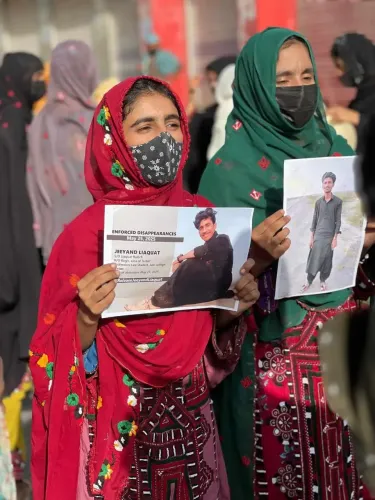
The most severe accusations in Balochistan, according to the report, involve enforced disappearances and extrajudicial killings, with various human rights organizations documenting what they term as “systematic abuses.”
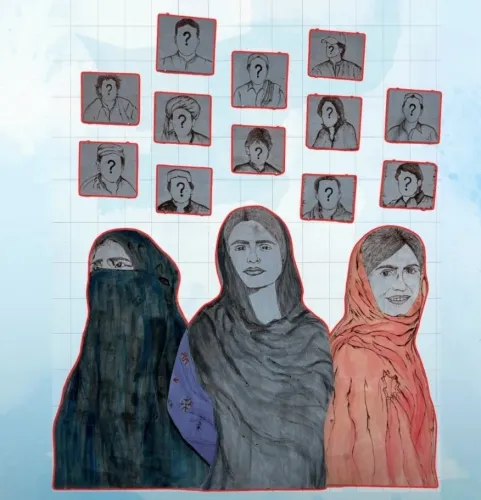
“The Baloch Yakjehti Committee (BYC) reported 1,223 cases of enforced disappearances in 2025. The Human Rights Council of Balochistan recorded 1,455 cases that year, including 1,443 men and 12 women. Their findings revealed that 1,052 individuals remained unaccounted for by year’s end, 317 were released, 83 were reported dead in custody, and three were moved to prison,” it noted.
Point of View
It is essential to present the situation in Balochistan with a balanced perspective. While the violence is alarming and highlights significant governance failures, it is also crucial to acknowledge the historical context and the socio-economic disparities that have contributed to the unrest. Our commitment is to report accurately and impartially, ensuring that all voices are heard.
NationPress
7 Oct 2026
Frequently Asked Questions
What is the main cause of unrest in Balochistan?
The unrest in Balochistan stems from longstanding grievances regarding human rights abuses, economic inequalities, and political failures by authorities.
How has the Balochistan Liberation Army responded to the government's actions?
The Balochistan Liberation Army has launched coordinated attacks, claiming these actions are a response to the ongoing oppression and lack of political representation.
What are the human rights concerns in Balochistan?
Human rights organizations have reported systematic abuses, including enforced disappearances and extrajudicial killings within the province.
How does the economic situation in Balochistan affect its population?
Despite being resource-rich, Balochistan is the poorest province in Pakistan, with a significant portion of its population living in multidimensional poverty and high unemployment.
What role does the China Pakistan Economic Corridor play in the unrest?
The China Pakistan Economic Corridor has raised concerns among local communities about displacement and exclusion from economic opportunities, intensifying the conflict.