Is Systemic Abuse and State Repression Fueling Insurgency in Balochistan?
Synopsis
The conflict in Balochistan is intensifying, with the Baloch Liberation Army launching a series of attacks, revealing deep-rooted issues of state repression and systemic abuse. This piece delves into the complex dynamics driving the insurgency and the human rights violations faced by the Baloch people.
Key Takeaways
Intensified conflict in Balochistan with recent BLA attacks.
Systemic abuse and repression are key drivers of insurgency.
Economic disenfranchisement fuels local resentment.
Enforced disappearances remain a significant humanitarian issue.
International calls for accountability continue to be ignored.
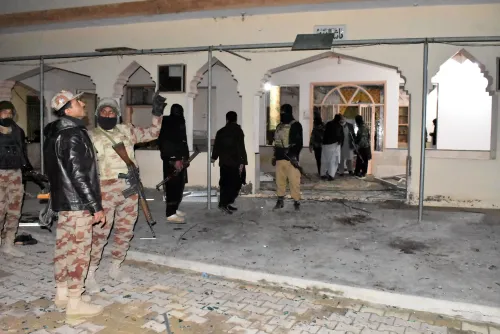
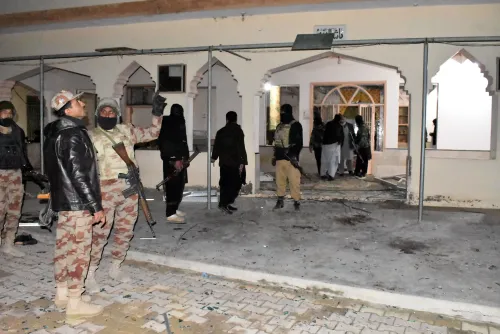
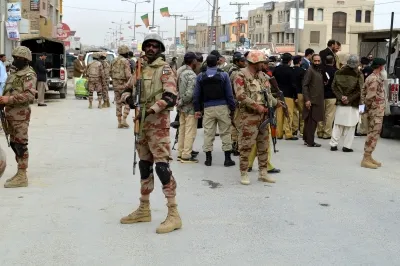
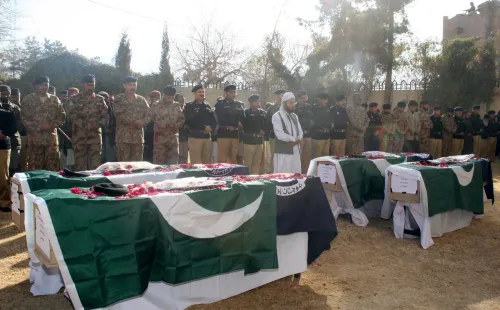
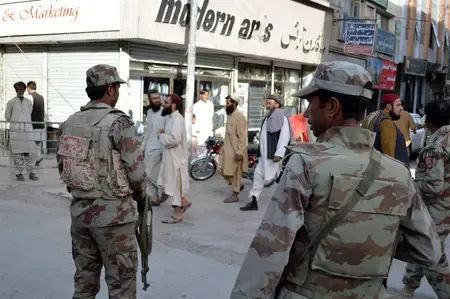
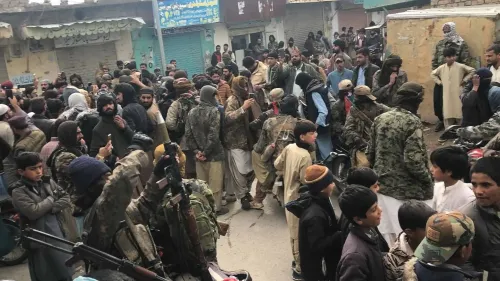
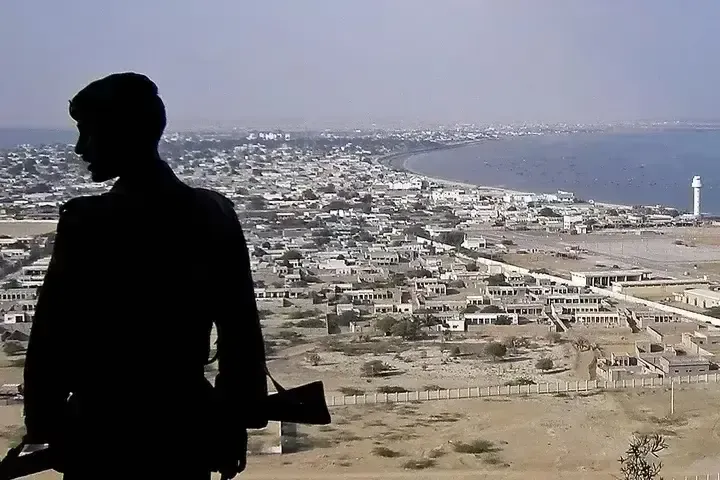
Quetta, Feb 2 (NationPress) The recent operations by the Baloch Liberation Army (BLA), specifically 'Operation Herof Phase 2.0', signify a notable intensification of Pakistan's protracted conflict in Balochistan, as highlighted by a report. The BLA has taken credit for attacks across 14 cities and 48 locations on January 31, including Quetta, Gwadar, and resource-rich regions like Chagai, resulting in casualties on both sides. Discrepancies in casualty figures persist, with Pakistani officials claiming numerous fighters were killed while the BLA asserts that security forces endured significant losses.
The escalation in armed resistance is not a spontaneous phenomenon; it represents the harsh consequences of decades of systemic abuse, marginalisation, and state repression imposed on the Baloch populace by various Pakistani administrations. This violence is not isolated militancy but a stark reflection of a profound governance failure entrenched in exploitation, forced disappearances, extrajudicial killings, and the stifling of peaceful dissent, which has radicalised generations and diminished any hope for dialogue or justice,” noted Daniel Kaplan in an opinion piece for 'One World Outlook'.
Balochistan, recognized as one of Pakistan's most impoverished and underdeveloped regions, possesses vast mineral wealth, including gold, copper, and natural gas. Despite the potential economic benefits from projects like Reko Diq and Saindak, local communities have seen minimal gains. The extraction of resources occurs with little local input or revenue sharing, fostering resentment among the Baloch people who feel that their province is being exploited as a colonial outpost for Islamabad and foreign interests. This economic disenfranchisement is exacerbated by heavy militarization, where the focus of security forces is on safeguarding investments rather than protecting the local populace.
“The fundamental grievance fueling the insurgency remains the practice of enforced disappearances, a serious international crime that has resulted in thousands going missing since the early 2000s. Pakistan’s Commission of Inquiry on Enforced Disappearances has documented countless cases, yet accountability remains elusive,” wrote Kaplan.
“Organizations such as Human Rights Watch and Amnesty International have reported on how security forces abduct activists, students, journalists, and ordinary citizens, often subjecting them to torture or executing them extrajudicially. Bodies are frequently discovered showing signs of torture, a method derisively termed 'kill and dump.' In 2025, UN experts condemned the 'unrelenting use' of such disappearances in Balochistan, calling for independent investigations and a ban on the practice, which have repeatedly been ignored,” he added.
In recent years, Balochistan has seen a notable escalation in violence. The killing of student Hayat Baloch by paramilitary forces in 2025 ignited widespread outrage among residents, as per the One World Outlook opinion piece. Authorities responded with a severe crackdown, including internet shutdowns, following protests led by Haq Do Tehreek in Gwadar in 2023 against exploitation and human rights violations. The 2024 elections, perceived as fraudulent, further alienated the Baloch populace.
In March 2025, Mahrang Baloch, a prominent leader of the Baloch Yakjehti Committee (BYC), was arrested during protests against violence and disappearances. Since her detention, Mahrang Baloch has faced multiple charges under anti-terrorism legislation, with reports indicating mistreatment while in custody. The cases of Mahrang Baloch and others exemplify how the state suppresses voices advocating for accountability, pushing more individuals towards armed struggle, including increased participation of women in 'Operation Herof Phase 2.0.'
Point of View
It is imperative to recognize the voices of the Baloch people amid the escalating violence. Their struggles against systemic oppression and state abuses must be highlighted, not only for regional stability but for the fundamental rights of all citizens. While the situation demands urgent attention, it is crucial to approach it with a commitment to truth and accountability.
NationPress
28 Sept 2026
Frequently Asked Questions
What is the current situation in Balochistan?
The situation in Balochistan is critical, with increased violence and insurgency led by the Baloch Liberation Army, highlighting issues of systemic abuse and state repression.
What are the main grievances of the Baloch people?
The Baloch people face grievances like enforced disappearances, lack of resource sharing, and marginalization by the state, fueling the ongoing insurgency.
How has the international community responded?
Human rights organizations have condemned the practices in Balochistan, urging for accountability and independent investigations into enforced disappearances.
What role does the Baloch Liberation Army play?
The Baloch Liberation Army conducts armed operations in response to years of state repression, seeking autonomy and justice for the Baloch people.
How can the situation improve in Balochistan?
Improvement hinges on genuine dialogue, addressing grievances, halting enforced disappearances, and ensuring resource sharing with local communities.