What Does the Balochistan Insurgency Reveal About State Oppression in Pakistan?
Synopsis
The recent coordinated attacks by the BLA mark a pivotal moment in Balochistan's insurgency, revealing deep-rooted grievances against state oppression that has persisted for decades. Explore the implications of these events and the historical context behind this ongoing struggle.
Key Takeaways
Coordinated BLA attacks signify a major escalation in Balochistan's long-standing insurgency.
Historical grievances rooted in political , economic , and human rights issues fuel the conflict.
Participation of both men and women highlights the desperation of the Baloch people.
Systemic oppression, including enforced disappearances and extrajudicial killings, is well-documented.
Economic marginalization persists despite Balochistan's rich resources.
Quetta, Feb 3 (NationPress) Highlighting the coordinated assaults by the Baloch Liberation Army (BLA) on January 31, a recent report emphasizes that these events signify a critical escalation in the enduring insurgency within Pakistan's Balochistan province. This latest situation underscores decades of political, economic, and human rights concerns rooted deeply in local grievances, rather than external factors.
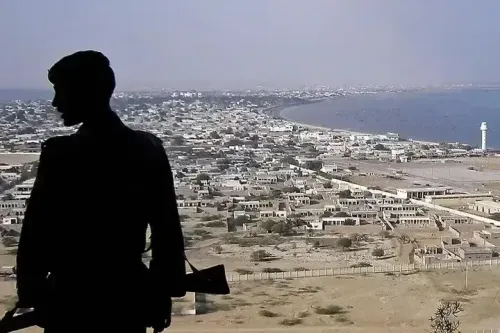
For the first time, these coordinated actions occurred simultaneously in 12 cities, including Quetta, Gwadar, Kharan, Panjgur, Pasni, Mastung, Noshki, Dalbandin, Kalat, Turbat, Buleda, and Kech, as reported by the Bangladesh-based newspaper Blitz. The participation of both men and women, not just as suicide bombers but active combatants, illustrates the profound desperation and grievances held by the people of Balochistan.
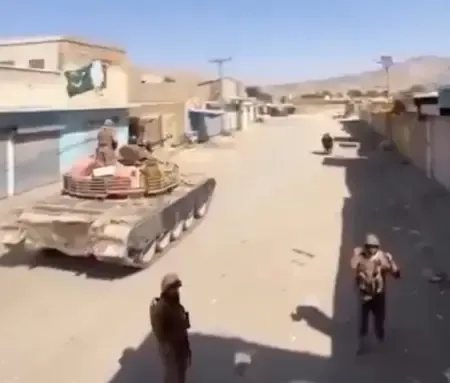
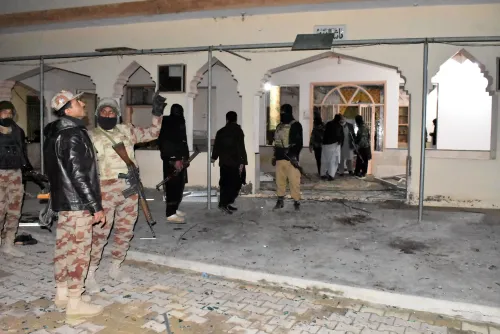
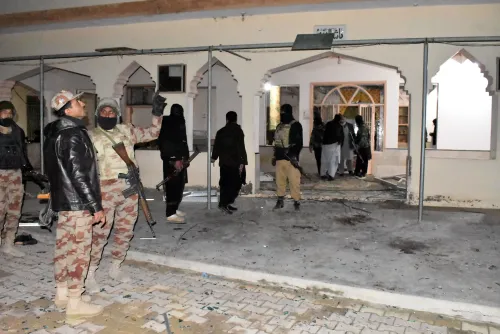
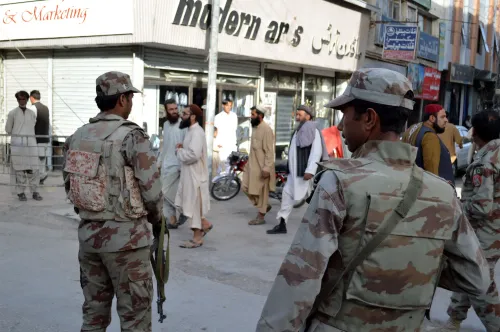
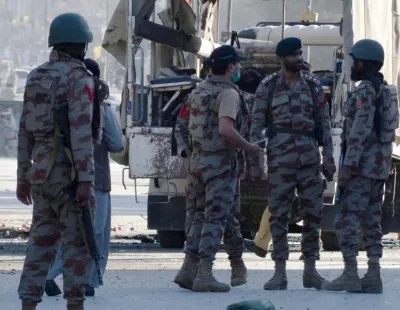
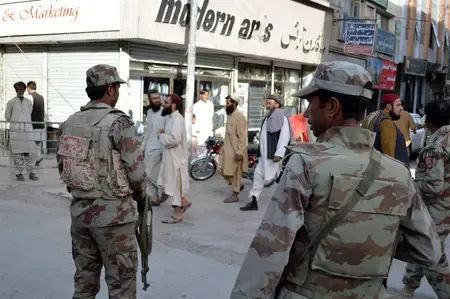
The BLA has announced the commencement of 'Operation Herof Phase II,' asserting that these coordinated assaults are part of a deliberate strategy targeting Pakistani security forces and Chinese infrastructures. The group stated, "We executed synchronized attacks across several cities in Balochistan, targeting military, police, intelligence, and administrative facilities. We successfully neutralized over 80 enemy personnel, captured 18 hostages, and destroyed more than 30 government properties. Our fighters, including members of the Majeed Brigade, coordinated effectively across multiple regions, temporarily hindering the movement of Pakistani forces."
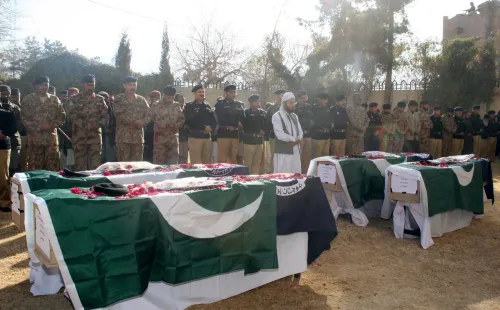
According to independent assessments, the total death toll, encompassing militants, security personnel, and civilians, could surpass 125, showcasing the severity of these operations. The attacks have disrupted transportation networks, internet connectivity, and mobile services in the affected regions, as noted by columnist and author Arun Anand in Blitz.
The history of the Baloch insurgency traces back to the establishment of Pakistan in 1948. Resistance to the Pakistani state began shortly after the incorporation of the princely state of Kalat, with insurgencies taking shape in 1948, 1958–59, 1962–63, 1973–77, and from the early 2000s to the present.
Attributing such a long-standing struggle solely to external influences neglects the deeply embedded local and historical grievances. The conflict persists due to systemic challenges: political marginalization, economic exploitation, demographic anxieties, and extensive human rights violations. Reports have documented enforced disappearances, extrajudicial executions, arbitrary detentions, and military actions by security forces. Multiple human rights organizations have chronicled these abuses over the years, emphasizing the systematic oppression in Balochistan, as Anand pointed out in Blitz.
Local and regional organizations such as the Human Rights Council of Balochistan (HRCB), Voice for Baloch Missing Persons (VBMP), and the Baloch Yakjehti Committee (BYC), along with activists like Gulzar Dost, have documented enforced disappearances, extrajudicial killings, and violations of fundamental civil liberties. National organizations like the Human Rights Commission of Pakistan (HRCP) and international entities such as Human Rights Watch (HRW) have also reported widespread violations, spotlighting patterns of abuse, militarization, and lack of accountability. Additionally, UN human rights mechanisms have expressed concern over disappearances, repression, and violations of human rights, urging Pakistan to address these entrenched issues. These abuses, coupled with restricted access to education, healthcare, and essential infrastructure, have intensified resentment and radicalization, he added.
The participation of women in the Baloch insurgency is particularly noteworthy. Typically, women in conflict zones do not engage in armed struggle unless faced with extreme social collapse and state oppression. Many Baloch women have joined military movements not due to ideology but out of personal loss, including the disappearance or murder of family members.
Balochistan is abundant in minerals, natural gas, coal, copper, gold, and strategic ports like Gwadar. Despite this wealth, Balochistan remains the poorest province in Pakistan, suffering from inadequate roads, hospitals, schools, electricity, and job opportunities. The province's resources primarily benefit Punjab and the federal center, leaving Balochistan economically and politically marginalized. The BLA’s focus on Chinese infrastructure, particularly the Gwadar port under the China–Pakistan Economic Corridor (CPEC), reflects the residents' anger towards projects perceived as extractive and non-inclusive.
Point of View
We recognize the importance of addressing the complex issues surrounding the Balochistan insurgency. This ongoing conflict is not merely a matter of external influences but is deeply rooted in local grievances. We stand with the people of Balochistan in their quest for justice and recognition, advocating for a fair resolution that respects their rights and addresses the historical injustices they have endured.
NationPress
27 Oct 2026
Frequently Asked Questions
What triggered the recent BLA attacks in Balochistan?
The recent attacks by the BLA were a response to long-standing grievances against political, economic, and human rights issues faced by the Baloch people, marking a significant escalation in their ongoing insurgency.
How many cities were affected by the BLA's coordinated attacks?
The BLA's coordinated attacks occurred simultaneously in 12 cities, including Quetta, Gwadar, and Panjgur, showcasing the scale of their operations.
What is the historical context of the Baloch insurgency?
The Baloch insurgency has a history dating back to 1948, with multiple waves of resistance against the Pakistani state fueled by political marginalization and economic exploitation.
What role do women play in the Baloch insurgency?
Women have increasingly participated in the Baloch insurgency, often driven by personal losses and the dire socio-political conditions rather than ideological motivations.
What are the implications of the BLA's focus on Chinese infrastructure?
The BLA's focus on Chinese infrastructure projects in Balochistan, particularly the Gwadar port, reflects local frustrations over perceived exploitation and exclusion from the benefits of these developments.