Trump: US monitoring buried Iranian uranium, warns of strikes
Synopsis
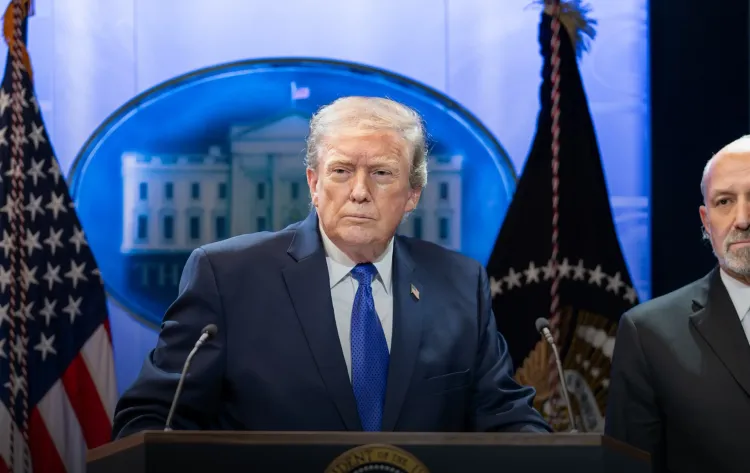
Trump has put the world on notice: the US Space Force is watching Iran's buried enriched uranium, and anyone who touches it risks being 'blown up.' Meanwhile, Iran has quietly sent a peace proposal to mediator Pakistan — signalling that both sides may be probing an off-ramp even as the rhetoric escalates.
Key Takeaways
President Donald Trump said the US Space Force is monitoring Iranian enriched uranium buried under rubble, warning of strikes against anyone who approaches it.
Trump claimed US forces have struck approximately 70 per cent of intended targets in Iran, asserting the country is "militarily defeated." Iran sent its response to a US-proposed peace text to mediator Pakistan on Sunday .
Iran's draft proposal demands an immediate ceasefire, guarantees against future aggression, lifting of US sanctions and naval blockade, and release of frozen assets.
US Secretary of State Marco Rubio has said Iran must clarify it does not seek a nuclear weapon as a prerequisite for any peace deal.
The conflict began after US-Israeli joint strikes on 28 February killed Iran's then-Supreme Leader Ali Khamenei and other officials.
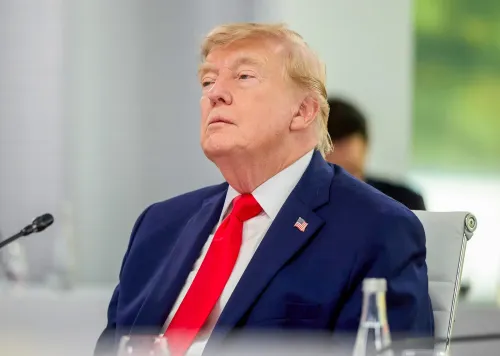
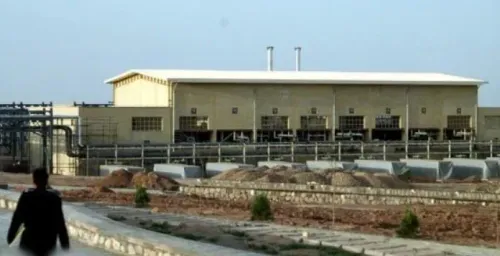
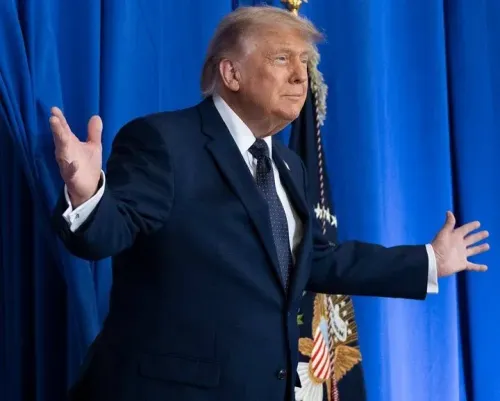
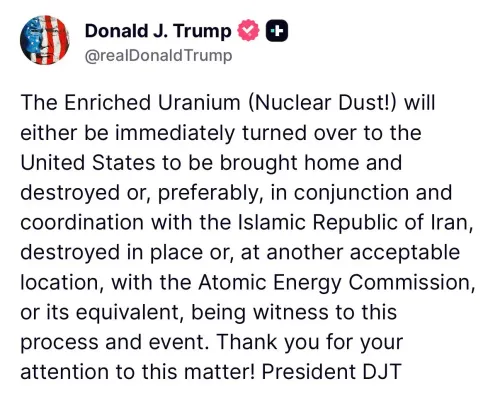
US President Donald Trump has said that the United States is actively monitoring Iranian enriched uranium buried under rubble following recent strikes, with the US Space Force assigned to oversee the matter. Trump warned that anyone attempting to access the buried material would be met with a devastating response.
Trump's Warning on Iranian Uranium
Speaking in an interview with independent journalist Sharyl Attkisson — recorded last week and aired on Sunday — Trump said that if anyone approaches the buried Iranian enriched uranium, the US would "blow them up." The interview underscored Washington's intent to maintain tight surveillance over Iran's nuclear materials amid an ongoing conflict.
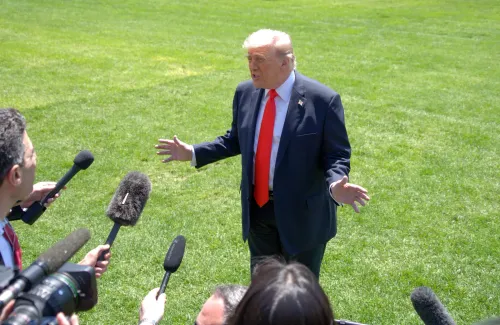
Trump also claimed that US forces could strike "every single target" in Iran within two more weeks, asserting that the country was "militarily defeated." He said approximately 70 per cent of intended targets had already been hit, with additional targets still under consideration. "We could go in for two more weeks and do every single target. We have certain targets that we wanted to ... And we've done probably 70 per cent of them, but we have other targets that we could conceivably hit," Trump said.
Iran's Peace Proposal and Mediator Pakistan
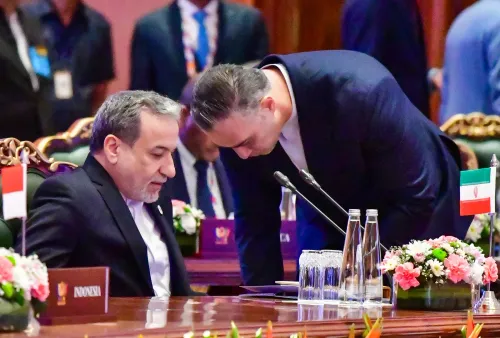
Amid these developments, Iran sent its response to the latest US-proposed text for ending the war to mediator Pakistan on Sunday, according to Iran's official news agency IRNA. The proposed framework, at this stage, focuses on ending the conflict in the region.
US Secretary of State Marco Rubio has stated that Iran must "make it clear" that it does not seek a nuclear weapon — a condition Washington considers central to any peace deal.
Iran's Demands in Draft Proposal
Iran's latest draft proposal, reported by the semi-official Tasnim news agency, calls for an immediate cessation of hostilities on all fronts, guarantees against further "aggression" targeting Iran, and the lifting of US sanctions and the naval blockade. The proposal also demands a 30-day window for rescinding US sanctions on Iranian oil sales, along with the release of Iran's frozen assets following any preliminary agreement.
"The proposal highlights the need to immediately end the war, provide guarantees for the non-repetition of the aggression against Iran, and certain other issues within a political agreement," Tasnim cited an informed source as saying.
Background: How the Conflict Began
The United States and Israel conducted joint strikes on Tehran and other Iranian cities on 28 February, reportedly killing Iran's then-Supreme Leader Ali Khamenei, along with senior Iranian officials and civilians. Iran subsequently responded with missile and drone attacks against Israel and US interests across the region, and tightened its control over the strategically critical Strait of Hormuz.
The conflict has since drawn in multiple regional actors, with diplomatic channels — including Pakistan's mediating role — now emerging as a potential pathway to a ceasefire. Whether Iran's latest proposal will gain traction in Washington remains to be seen.
Point of View
Including Russia and China, that Washington is watching Iran's nuclear materials closely and will act unilaterally if needed. The simultaneous emergence of a peace proposal via Pakistan suggests both sides are exploring an exit, but on maximalist terms. Iran's demand for sanctions relief and asset unfreezing before a final deal mirrors its posture in the 2015 JCPOA negotiations — a pattern Washington has historically resisted. The real question is whether the 30-day sanctions window Iran is seeking is a genuine opening or a negotiating anchor designed to be walked back.
NationPress
24 Sept 2026
Frequently Asked Questions
What did Trump say about Iranian enriched uranium?
Trump said the United States is monitoring Iranian enriched uranium buried under rubble, with the US Space Force assigned to oversee the situation. He warned that anyone who attempts to access the material would be 'blown up.'
What is the US Space Force's role in the Iran conflict?
According to Trump, the US Space Force has taken charge of monitoring the buried Iranian enriched uranium following strikes on Iran. This suggests the use of satellite and space-based surveillance assets to track the nuclear material.
What does Iran's peace proposal include?
Iran's draft proposal calls for an immediate ceasefire on all fronts, guarantees against further aggression, lifting of US sanctions and the naval blockade, a 30-day window to rescind sanctions on Iranian oil sales, and the release of Iran's frozen assets after a preliminary agreement.
Who is mediating between the US and Iran?
Pakistan is currently serving as the mediator, with Iran having sent its response to the latest US-proposed peace text to Islamabad on Sunday.
How did the US-Iran conflict begin?
The United States and Israel conducted joint strikes on Tehran and other Iranian cities on 28 February, reportedly killing Supreme Leader Ali Khamenei and other senior officials. Iran retaliated with missile and drone attacks and tightened control over the Strait of Hormuz.