Trump says Iran nuclear talks progressing, deal 'very possible' soon
Synopsis
Trump declared a nuclear deal with Iran 'very possible' after 24 hours of talks — but Tehran flatly denied any new written exchanges, calling deal reports 'fabricated.' The gap between Washington's optimism and Iran's cautious pushback reveals just how fragile this diplomatic moment truly is.
Key Takeaways
President Donald Trump on 7 May said US-Iran talks had made progress and a deal was "very possible." Trump reiterated that Iran "cannot have a nuclear weapon" and declined to set any deadline for negotiations.
Trump claimed Iran's navy ( 159 ships ), air force, and missile stockpiles had been "mostly decimated" — claims not independently verified.
Iran's Fars news agency called reports of a near-finalised deal "fabricated" and said Tehran had not yet responded to the latest US message.
The US proposal was reportedly delivered to Iran through Pakistan ; Iranian Foreign Ministry spokesman Esmaeil Baghaei said Tehran is still assessing it.
Trump cited oil prices at $100 and rising US stock markets as evidence of economic resilience during the conflict.
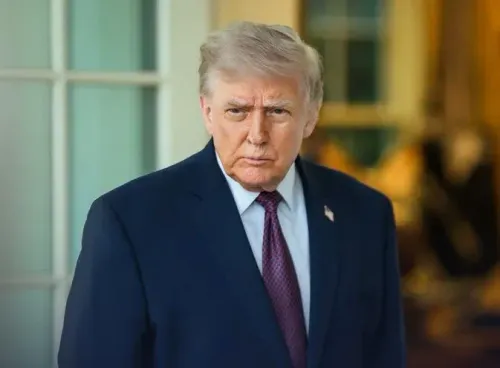
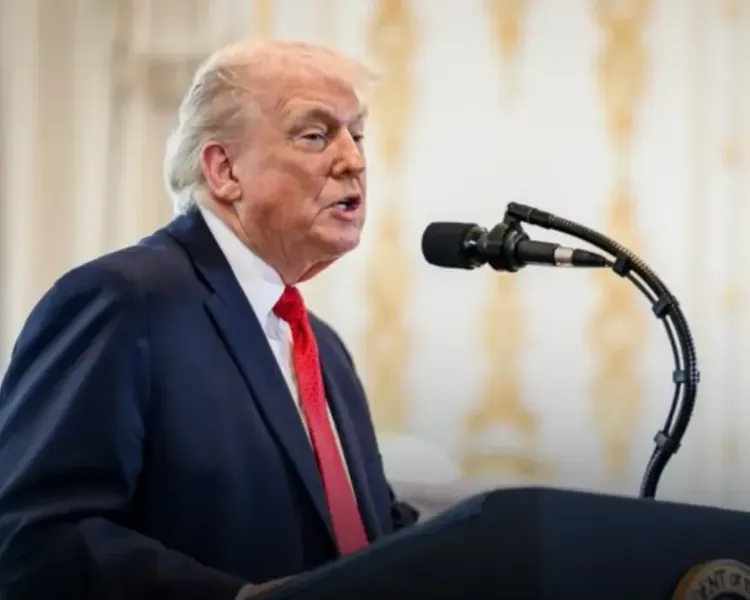
US President Donald Trump on Wednesday, 7 May said that Washington had made significant progress in negotiations with Iran and suggested a possible agreement could emerge in the near term, while reiterating that Tehran "cannot have a nuclear weapon." The remarks, made to reporters at the White House, came amid conflicting signals from the Iranian side over the state of diplomacy.
Trump's Remarks on the Talks
"They want to make a deal badly," Trump told reporters. "We've had very good talks over the last 24 hours, and it's very possible that we'll make a deal."
Trump rejected suggestions that Iran had remained defiant in negotiations, pushing back against a reporter's framing. He also repeated his long-standing position on Tehran's nuclear ambitions: "They can't have nuclear weapons, it's very simple."
When asked whether he expected a deadline for a deal, Trump declined to set one. "Never a deadline," he said. "It'll happen."
Trump's Claims on Iran's Military Losses
The President made sweeping claims about the damage inflicted on Iran's military infrastructure during the conflict. He alleged that Iran's navy — which he said comprised 159 ships — had been destroyed, its air force grounded, and its anti-aircraft systems, radar capabilities, and missile stockpiles "mostly decimated."
"Their leaders are all dead. So, I think we won," Trump said.
He also argued that even if hostilities ceased immediately, Iran would require decades to recover. "If we left right now, Iran, it would take them 20 years to rebuild," he said. These claims could not be independently verified at the time of publication.
Economic Fallout and Market Claims
Trump also addressed concerns about the economic consequences of the conflict, saying US financial markets had remained resilient despite fears of a severe oil shock. "I thought oil prices would go to $200, $250," he said. "It's at $100 now."
He further claimed that US stock markets had reached new highs since the start of the conflict — a claim that markets analysts have not uniformly corroborated. Trump also mentioned discussions with executives from ExxonMobil and Chevron at the White House regarding renewed interest in Venezuela's energy sector.
Iran Pushes Back on Deal Reports
Iran's account of the diplomatic situation differed sharply from Trump's characterisation. Tehran said on Wednesday it had not exchanged any new written messages with Washington, pushing back against media reports suggesting the two sides were close to a one-page agreement to end hostilities.
The semi-official Fars news agency called recent media reports "fabricated," alleging they were designed to influence global markets and drive down oil prices rather than reflect ground realities. Citing two unnamed sources, Fars said Iran had not yet responded to the latest US message, which was reportedly delivered through Pakistan.
Iranian Foreign Ministry spokesman Esmaeil Baghaei, according to the Iranian Students' News Agency, said Tehran was still reviewing the US proposal and would respond after completing its assessment.
What Comes Next
The divergence between Washington's optimism and Tehran's measured pushback underscores the fragility of the current diplomatic moment. With no deadline set and Iran yet to formally respond to the latest US message, the path to any agreement remains uncertain. How quickly — and whether — Tehran responds to the US proposal is likely to define the next phase of these negotiations.
Point of View
But Iran's public denial of any new written exchanges is an equally deliberate counter-move. The use of Pakistan as an intermediary channel echoes Cold War-era back-channel diplomacy and suggests direct contact remains politically untenable for Tehran. More telling is the Fars agency's claim that deal reports were 'fabricated' to move oil markets — a framing that signals Iran is watching the economic warfare dimension as closely as the military one. Until Tehran formally responds to the US proposal, Trump's optimism is, at best, one-sided.
NationPress
24 Sept 2026
Frequently Asked Questions
What did Trump say about US-Iran nuclear talks on 7 May 2025?
Trump told White House reporters that Washington had made significant progress in talks with Iran over the previous 24 hours and that a deal was 'very possible.' He reiterated that Iran must never acquire nuclear weapons and declined to set any deadline for an agreement.
Has Iran agreed to a deal with the United States?
No. Iran has not agreed to any deal. Tehran pushed back against reports of a near-finalised agreement, with the semi-official Fars news agency calling such reports 'fabricated.' Iranian Foreign Ministry spokesman Esmaeil Baghaei said Iran is still reviewing the latest US proposal.
How was the US proposal delivered to Iran?
According to the semi-official Fars news agency, citing two unnamed sources, the latest US message was delivered to Iran through Pakistan. Iran had not formally responded to it as of 7 May 2025.
What claims did Trump make about Iran's military?
Trump claimed Iran's 159-ship navy had been destroyed, its air force grounded, and its anti-aircraft systems, radar, and missile stockpiles 'mostly decimated.' He also claimed Iranian leaders were dead. These claims could not be independently verified at the time of publication.
What is the current status of oil prices according to Trump?
Trump said oil prices, which he had feared could rise to $200–$250 per barrel, were at $100. He cited this as evidence that US financial markets had remained resilient despite the conflict with Iran.