Trump: Iran's military 82% degraded, 'dying to make a deal'
Synopsis
Trump is claiming near-total degradation of Iran's military — navy gone, air force gone, drone factories 82% down, missile production 90% down — while simultaneously saying Iran is 'dying to make a deal.' The contradiction at the heart of this moment: is Washington negotiating from strength, or escalating toward an outcome no one fully controls?
Key Takeaways
Donald Trump on 1 May claimed Iran's drone factories are 82% down and missile factories nearly 90% down following US military action.
Trump said Iran is "dying to make a deal" but reiterated that Tehran "cannot be nuclear." He stated that only "myself and a couple of other people" know the status of ongoing negotiations.
An oil blockade is described as central to US strategy, with Trump claiming Iran's economy is "crashing." Trump flagged leadership uncertainty inside Iran as a potential complication to any deal.
India , a historically significant importer of Iranian oil, faces direct energy security implications from the standoff.
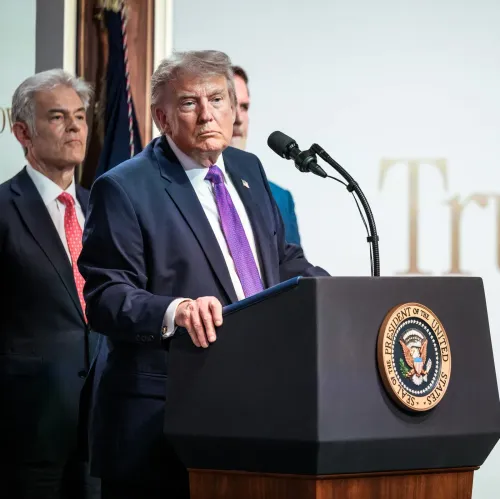
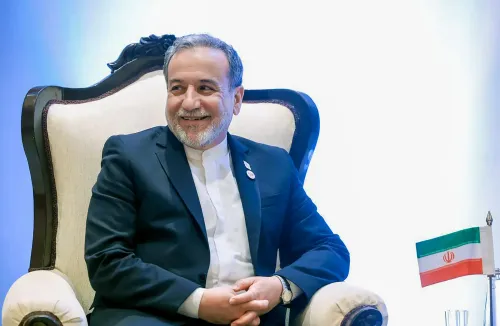
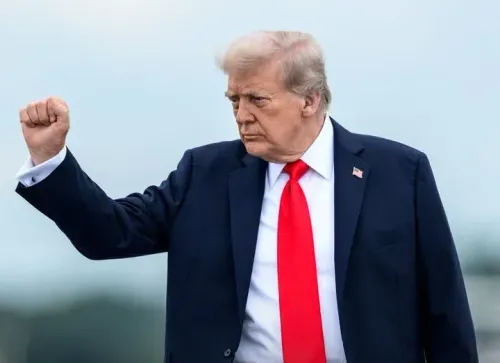
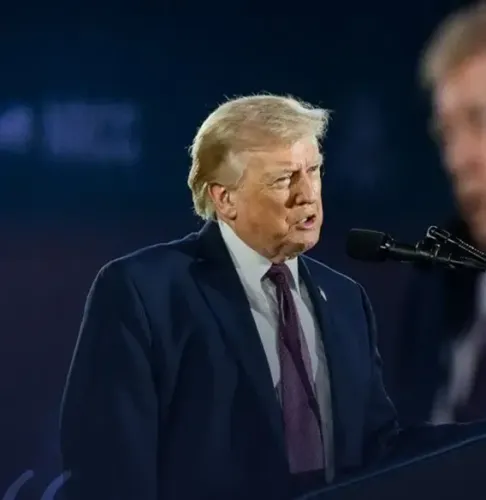
US President Donald Trump on 1 May claimed that Iran had been significantly weakened by American military action and was eager to reach a negotiated settlement, even as tensions over Tehran's nuclear programme remain unresolved. Trump asserted that Iran's naval, air, and missile capabilities had been sharply degraded, while describing ongoing talks as highly secretive.
Claims of Military Degradation
Trump painted a picture of near-total military collapse for Iran. "Their Navy is gone. Their Air Force is gone… their drone factories are about 82 percent down," he said. He added that missile production had also taken a severe hit. "Their missile factories are almost 90 percent down," Trump claimed. He further stated that US operations had dismantled Iran's nuclear infrastructure, saying, "We obliterated that nuclear capacity of theirs."
These claims, made by Trump, have not been independently verified. Analysts and regional observers have yet to confirm the scale of damage described by the US President.
Nuclear Red Line and Diplomatic Posture
Trump reiterated his firm stance that Iran would not be permitted to develop a nuclear weapon under any circumstances. "You can't let Iran have a nuclear weapon," he said, adding that Tehran "cannot be nuclear." Despite the combative framing, he suggested Iran was now inclined toward dialogue. "Iran is dying to make a deal," Trump said.
He revealed that the scope of current negotiations was being kept extremely close. "Nobody knows what the talks are except myself and a couple of other people," he said, indicating that even within the US administration, information sharing on the diplomatic track is tightly controlled.
Economic Pressure and Leadership Uncertainty
Trump pointed to an economic blockade and oil embargo as central pillars of US strategy. "They're not getting any money from oil… the blockade is incredible," he said, adding, "Their economy is crashing." The remarks suggest that Washington views sustained economic strangulation as a key lever to force Tehran to the negotiating table.
He also raised concerns about political coherence within Iran's leadership. "We have a problem because nobody knows for sure who the leaders are," Trump said, suggesting that leadership instability could complicate any potential agreement. This comes amid broader uncertainty about the chain of command in Tehran following reported US strikes.
Implications for Global Energy and India
Developments in Iran carry significant consequences for global oil markets, which remain acutely sensitive to Middle East tensions. India, which has historically been among Iran's largest oil importers, closely monitors such shifts for their direct bearing on energy security and import costs. A prolonged blockade or escalation could tighten global crude supplies and exert upward pressure on prices.
Trump also pointed to domestic economic buoyancy, saying, "We just hit a new high today on the stock market," framing the US position as one of strength heading into any potential negotiations.
What Comes Next
The path toward any formal deal remains unclear, with Trump himself acknowledging that only a handful of people are privy to the state of talks. Whether Iran's reported willingness to negotiate translates into a verifiable framework — particularly on uranium enrichment limits — will be the defining question in the weeks ahead. Regional powers and global energy markets will be watching closely for any signs of a diplomatic breakthrough or further escalation.
Point of View
But it creates a credibility problem: if Iran is truly this broken, why are talks being conducted in such secrecy? The leadership vacuum Trump himself described in Tehran is the most underreported detail — a decapitated command structure does not make for a reliable treaty partner. For India, the real risk is not the rhetoric but the oil blockade's durability; any sustained tightening of Iranian crude supply will hit India's energy import bill at a time when the rupee can ill afford it.
NationPress
26 Sept 2026
Frequently Asked Questions
What did Trump say about Iran's military capabilities?
Trump claimed that Iran's navy and air force are effectively gone, its drone factories are approximately 82% down, and its missile production facilities are nearly 90% degraded following US military action. These claims have not been independently verified.
Is the US negotiating a nuclear deal with Iran?
Trump indicated that negotiations are ongoing but being kept highly secretive, saying only he and "a couple of other people" know the status of talks. He said Iran is 'dying to make a deal' while maintaining that Tehran will not be permitted to develop a nuclear weapon.
What economic pressure is the US applying on Iran?
Trump pointed to an oil blockade as the central economic lever, claiming Iran is not earning oil revenues and that its economy is 'crashing.' The blockade is described as a key tool to compel Tehran toward a negotiated agreement.
Why does the Iran situation matter for India?
India has historically been a significant importer of Iranian crude oil. Any escalation, prolonged blockade, or disruption to Middle East energy flows could tighten global crude supplies and raise import costs, with direct implications for India's energy security and trade balance.
What did Trump say about Iran's leadership?
Trump suggested there is significant uncertainty about who holds effective authority inside Iran, saying 'nobody knows for sure who the leaders are.' He flagged this as a complicating factor in any potential negotiations or deal-making.