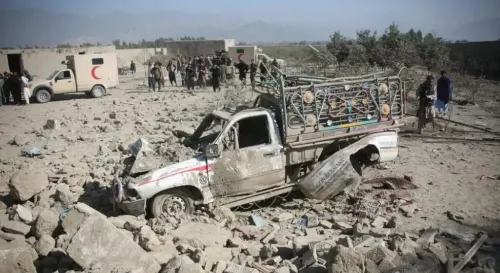
Pakistan-Afghanistan ceasefire under strain after April strikes, civilians bear brunt
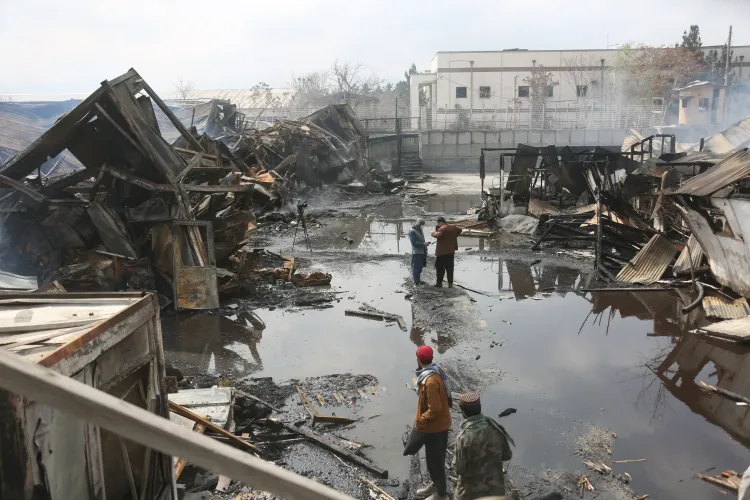
Synopsis
The March ceasefire between Pakistan and Afghanistan — brokered by China, Turkey, Qatar, UAE, and Saudi Arabia — is fracturing fast. Late-April strikes on Kunar University and residential areas killed four and displaced over 100,000 in eastern Afghanistan since February, raising fears of a return to open conflict that could destabilise regional connectivity and counterterrorism cooperation.
Key Takeaways
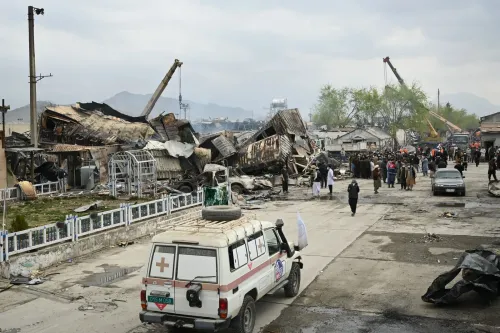
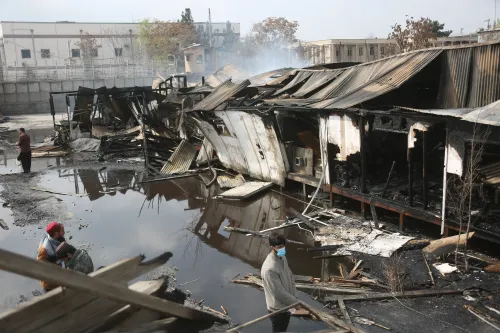
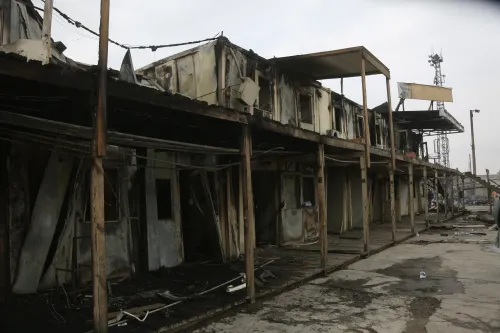
Pakistan carried out strikes in late April hitting residential areas and Kunar University , killing 4 civilians and injuring over 70 .
The March 2025 ceasefire , brokered by China, Turkey, Qatar, UAE, and Saudi Arabia , is now reportedly under serious strain.
More than 100,000 people have been displaced in eastern Afghanistan since February.
19 health facilities in Kunar and Nangarhar are partially or fully non-functional.
Over 13,000 students face disruptions after educational institutions were hit or evacuated.
The March 2025 ceasefire between Pakistan and Afghanistan is under serious strain following a series of escalating incidents along the Durand Line, with analysts warning that the region risks sliding into a prolonged phase of instability. According to a report published by the Afghan Diaspora Network, civilians on both sides are bearing the heaviest burden as accusations mount and no credible de-escalation mechanism exists.
Late April Strikes and the Humanitarian Toll
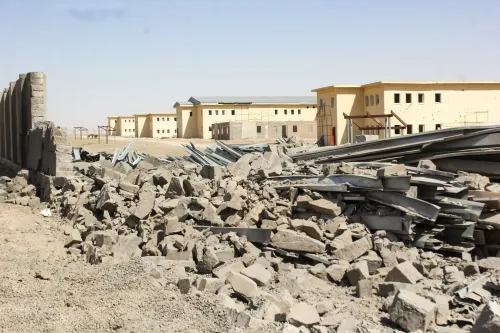
Pakistani forces reportedly carried out strikes in Afghanistan in late April, targeting what Afghan officials described as residential areas, a fuel station, a drug rehabilitation centre, and a student hostel on the campus of Kunar University — one of the most serious escalations since the ceasefire was brokered in March. According to the report, the strikes killed four civilians and injured more than 70 others, including women, children, and students.
The Taliban condemned the attacks as
Point of View
Turkey, Qatar, UAE, and Saudi Arabia — with no enforcement architecture. China has the most to lose; its connectivity investments along the Durand Line corridor depend on a stable Afghanistan. Yet Beijing's diplomatic capital has not translated into a monitoring mechanism that could contain tit-for-tat escalation. The strikes on Kunar University, whether deliberate or collateral, mark a dangerous threshold — targeting a university campus in a conflict zone is the kind of incident that hardens public opinion and makes de-escalation politically costly for Kabul's Taliban leadership. Without a credible incident-response channel, the next provocation near Spin Boldak or Kunar could unravel what little restraint remains.
NationPress
19 Sept 2026
Frequently Asked Questions
What triggered the latest Pakistan-Afghanistan ceasefire crisis?
A shooting near Spin Boldak in Kandahar province that killed a child, with both sides blaming each other, preceded late-April Pakistani strikes on Afghan territory including Kunar University. The scale and timing of the strikes have put the March 2025 ceasefire under serious strain.
What is the humanitarian situation in Afghanistan following the strikes?
According to the Afghan Diaspora Network report, more than 100,000 people have been displaced in eastern Afghanistan since February 2025. Nineteen health facilities in Kunar and Nangarhar are partially or fully non-functional, and over 13,000 students face disruptions after educational institutions were hit or evacuated.
Who brokered the March 2025 Pakistan-Afghanistan ceasefire?
The ceasefire was brokered by China, Turkey, Qatar, the United Arab Emirates, and Saudi Arabia. Regional analysts warn that continued hostilities could undermine the diplomatic capital these countries invested in stabilising the Durand Line corridor.
How has the Taliban responded to Pakistan's strikes?
The Taliban condemned the strikes as 'unforgivable war crimes', accusing Pakistan of deliberately targeting civilian sites including Kunar University. Pakistan denied striking the university, stating its forces were responding to militant threats along the Durand Line.
Why does the Pakistan-Afghanistan conflict matter for the broader region?
Analysts warn that continued hostilities could undermine regional connectivity projects — particularly those linked to China's investments — and complicate counterterrorism cooperation among neighbouring states. The absence of a credible incident-response mechanism makes escalation more likely.