Trump signals military option as Iran nuclear talks stall: 'Not satisfied'
Synopsis
Trump's blunt 'not satisfied' verdict on Iran nuclear talks — paired with an open threat of military force and claims that Iran has 'no navy, no air force' — signals the most volatile phase yet of US-Iran diplomacy. With Tehran's leadership described as fractured and Congressional oversight bypassed, the window for a deal may be narrowing faster than markets or regional allies have priced in.
Key Takeaways
President Trump said on Friday, 2 May 2025 that he is "not satisfied" with current Iran nuclear deal proposals.
Trump kept military action explicitly on the table, framing it as one of "the options" alongside diplomacy.
He claimed Iran currently has "no navy" and "no air force" — claims not independently verified.
Trump described Iran's leadership as "very disjointed" and internally divided, complicating negotiations.
The administration has declined to seek Congressional authorisation for any military steps, calling it "totally unconstitutional" .
Global energy markets remain on alert over disruptions to oil shipments linked to tensions in the Strait of Hormuz .
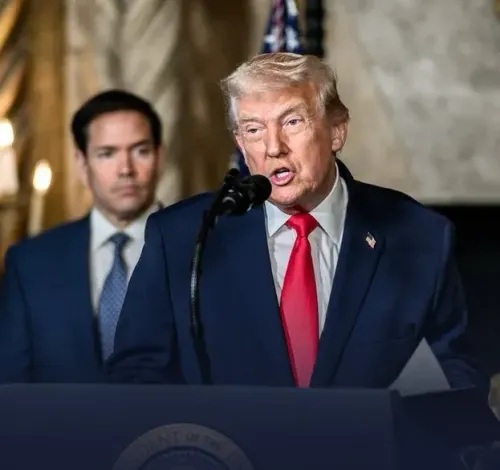
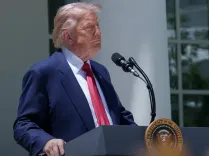
US President Donald Trump on Friday, 2 May 2025, said that negotiations with Iran remain deeply uncertain, warning he is "not satisfied" with current proposals while keeping both diplomacy and military action explicitly on the table. Speaking to reporters before departing on Marine One at the White House, Trump's remarks mark one of his sharpest public assessments yet of the stalled talks.
Trump's Dissatisfaction With Current Proposals
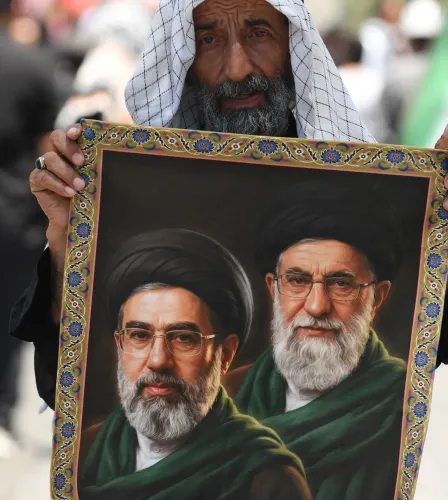
"They want to make a deal, but I'm not satisfied with it, so we'll see what happens," Trump told reporters, offering no specifics on what terms he found lacking. He described Iran's leadership as fragmented, saying they are "all messed up" and "very disjointed", with deep internal divisions complicating any unified negotiating stance. According to Trump, Iranian leaders "are not getting along with each other" and "don't know who the leader is" — a characterisation that, if accurate, would significantly complicate the path to a binding agreement.
Military Option Remains on the Table
Despite expressing a preference for diplomacy, Trump made clear that force remains an active option. "Do we want to go and just blast the hell out of him and finish him forever, or do we want to try and make a deal?" he said. "I'd prefer not, on a human basis." He then added bluntly: "Those are the options." Trump also claimed that Iran currently has "no navy", "no air force", and severely limited defence capability following what he described as the impact of recent conflict — though these claims were not independently verified.
Congressional Authorisation Bypassed
Trump defended his administration's refusal to seek Congressional approval for any potential military action against Iran, arguing that such authorisation had "never been sought before" and was considered by many to be "totally unconstitutional". The position is legally contested and is likely to draw scrutiny from lawmakers on both sides of the aisle. Notably, the War Powers Resolution of 1973 requires the president to notify Congress within 48 hours of committing armed forces to hostilities — a provision that has been disputed by multiple administrations.
Talks Described as Inconsistent
Trump acknowledged that negotiations were ongoing but characterised them as erratic. "They get close, and then a new group of people comes in," he said, pointing to shifting positions within Iran's leadership as a recurring obstacle. He framed the US military posture as leverage, saying: "We're in the midst of a big victory," and suggesting that Tehran's weakened position was what was driving its interest in a deal.
Energy Markets and Regional Fallout
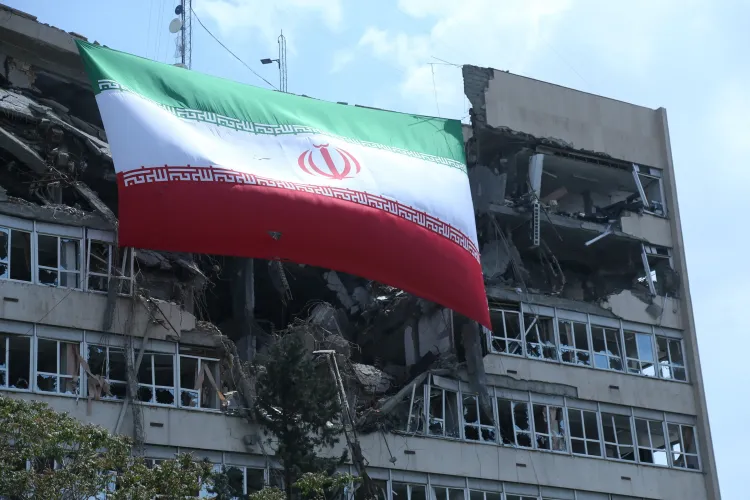
Trump also flagged the ripple effect on global energy markets, noting that large volumes of oil remain stuck at sea due to ongoing disruptions — an apparent reference to tensions in the Strait of Hormuz and surrounding shipping lanes. The US has long sought to curb Iran's nuclear ambitions through a combination of sanctions and diplomacy. Talks have repeatedly stalled over verification protocols, enrichment limits, and broader regional security concerns. Escalating tensions in West Asia have kept energy markets on edge, with traders closely tracking any developments that could disrupt crude supply routes. The situation is evolving rapidly, and the next round of diplomatic contacts — if any — is expected to be closely watched by both regional allies and global energy markets.
Point of View
Why has a deal not closed? The answer likely lies in domestic politics on both sides. Meanwhile, bypassing Congress on military authorisation is not a procedural footnote — it is a constitutional flashpoint that could constrain or accelerate US action depending on how quickly Capitol Hill pushes back. Energy markets, already fragile, are watching the Strait of Hormuz; a miscalculation in the next diplomatic cycle could move oil prices faster than any OPEC decision.
NationPress
22 Sept 2026
Frequently Asked Questions
Why is Trump 'not satisfied' with the Iran nuclear deal proposals?
Trump said he is dissatisfied with current proposals but did not specify which terms he finds lacking. He indicated that Iran's fragmented leadership and shifting negotiating positions have made it difficult to reach a stable agreement.
Has Trump threatened military action against Iran?
Yes. Trump explicitly stated that military action remains one of 'the options' if diplomacy fails, though he added he would prefer a deal 'on a human basis.' He also claimed Iran's military has been significantly degraded, with 'no navy' and 'no air force.'
Why is Trump bypassing Congress on military authorisation?
Trump argued that Congressional authorisation for military action has 'never been sought before' and is viewed by many as 'totally unconstitutional.' This position is legally contested under the War Powers Resolution of 1973, which requires presidential notification to Congress within 48 hours of committing forces to hostilities.
How are the Iran nuclear talks affecting global energy markets?
Trump noted that large volumes of oil remain stuck at sea due to disruptions linked to the ongoing tensions. The Strait of Hormuz, a critical chokepoint for global crude shipments, is being closely monitored by energy traders and regional governments.
What is the current status of US-Iran nuclear negotiations?
Talks are ongoing but described by Trump as inconsistent, with new Iranian negotiating teams repeatedly changing positions. The US has long sought to limit Iran's nuclear enrichment through sanctions and diplomacy, but verification and regional security disputes have repeatedly stalled progress.