Trump warns Iran: nuclear deal or US military force
Synopsis
Trump's White House remarks on 7 July 2025 were a dual-track ultimatum: diplomacy first, but US military force remains firmly on the table if Iran does not agree to a nuclear deal. With the naval blockade eased and back-channel talks reportedly advancing, the window for a deal is open — but Trump made clear it will not stay open indefinitely.
Key Takeaways
President Donald Trump on 7 July 2025 warned Iran of US military action if nuclear negotiations fail.
Trump stated the US had 'completely destroyed' Iran's military capabilities, including naval vessels, aircraft, and radar — claims not independently verified.
A US naval blockade on Iranian oil exports has been eased as diplomatic contacts reportedly resumed.
Trump cited concern for 91 million Iranians as reason to prefer a negotiated settlement over military action.
The President suggested Iran's current leadership is 'more reasonable' but declined to declare any diplomatic breakthrough.
Sanctions and military pressure remain explicitly on the table alongside ongoing nuclear negotiations.
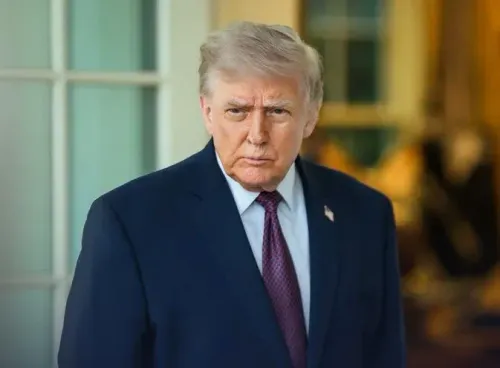
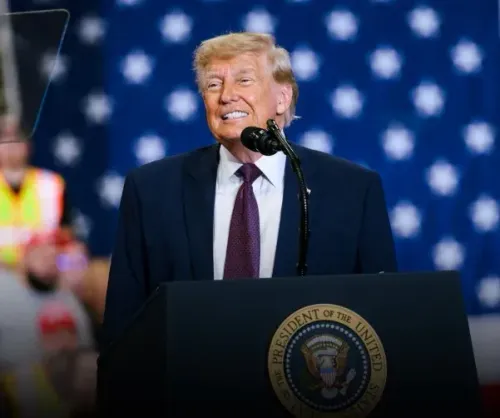
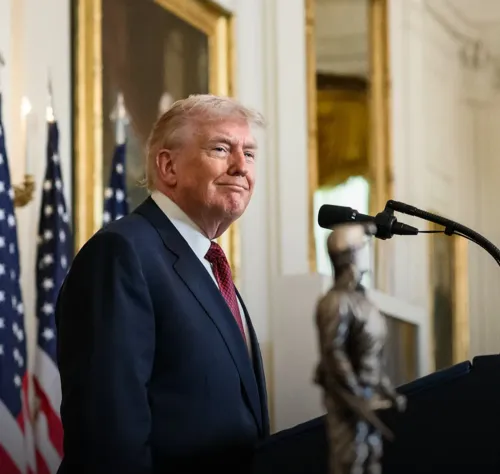
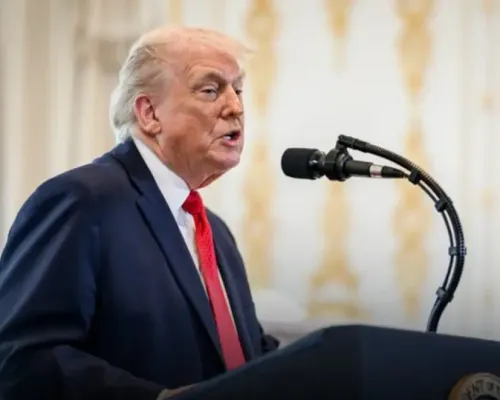
US President Donald Trump on Monday, 7 July 2025, declared that his administration was prepared to use military force against Iran if ongoing nuclear negotiations failed, while simultaneously expressing a preference for a diplomatic settlement. Speaking at the White House following the launch of his 'Trump Accounts' investment programme, Trump stated that preventing Tehran from acquiring a nuclear weapon remained the administration's overriding objective.
The Core Warning
'We're going to win one way or the other,' Trump said. 'We're either going to make a deal or we're going to finish the job.' The President was unambiguous that a nuclear-armed Iran was not an outcome Washington would accept under any circumstances. He also clarified that his goal was not regime change: 'I went in for one reason very strongly — that Iran cannot have a nuclear weapon. I'm not looking for regime change.'
Claims of Military Degradation
Trump asserted that recent US military action had severely degraded Iran's armed forces, claiming the country no longer possessed operational naval vessels, aircraft, or radar systems. 'We have completely destroyed' its military capabilities, he said. These claims could not be independently verified at the time of the remarks. He also took credit for preventing a feared spike in global oil prices, saying a surge to '$300, $350 dollars a barrel' — as some had predicted — had not materialised.
The Naval Blockade and Diplomatic Shift
Trump confirmed that a US naval blockade had disrupted Iranian oil exports before being eased as diplomatic contacts resumed. 'Our great Navy... did the greatest blockade anyone's ever seen,' he said. 'We then freed up the blockade because we're close to maybe making a deal.' The easing of the blockade signals that back-channel negotiations are reportedly at an advanced stage, though no formal agreement has been announced.
Military Threats and Humanitarian Framing
Despite the diplomatic tone, Trump issued pointed warnings about US strike capabilities, saying Washington could 'knock down their bridges in one hour' and eliminate Iran's energy infrastructure entirely. He nonetheless framed restraint in humanitarian terms: 'I'd rather make a deal because I don't want to affect 91 million people.' This combination of explicit military threat and expressed reluctance to use it reflects the administration's dual-track pressure strategy.
Reading Iran's New Leadership
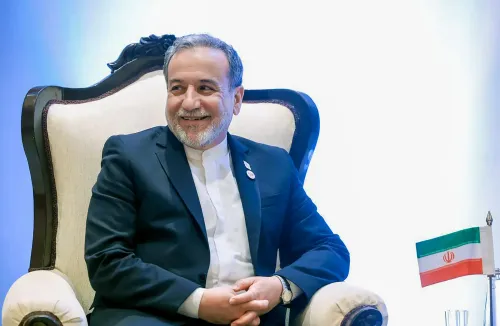
Trump also suggested that recent political changes inside Iran had produced more pragmatic leadership, though he stopped short of any definitive assessment. 'I think the third regime is more reasonable,' he said, adding, 'But we'll find out.' The remarks come as the Trump administration continues to pursue negotiations over Iran's nuclear programme while keeping sanctions and military options explicitly on the table.
Point of View
Designed to keep Tehran off-balance and domestic hawks satisfied simultaneously. The claim that Iran has been 'completely destroyed' militarily is unverified and strategically convenient — it allows Trump to project strength while lowering the perceived cost of a deal. More telling is the naval blockade rollback: easing economic pressure mid-negotiation is a concession, whatever language surrounds it. The reference to a 'third regime' being more reasonable also raises questions mainstream coverage has not pressed — if a new Iranian power structure has emerged, Washington's negotiating counterpart has changed, and any deal's durability depends on who, exactly, is signing it.
NationPress
5 Oct 2026
Frequently Asked Questions
What did Trump say about Iran on 7 July 2025?
President Trump warned that the United States would use military force against Iran if nuclear negotiations failed, while expressing preference for a diplomatic deal. He stated Iran would never be permitted to acquire a nuclear weapon.
Has the US lifted its naval blockade on Iran?
Trump confirmed that a US naval blockade on Iranian oil exports had been eased as diplomatic contacts with Tehran resumed. He indicated the move was tied to progress toward a possible nuclear agreement.
What military threats did Trump make against Iran?
Trump claimed the US could destroy Iranian bridges within an hour and eliminate the country's entire energy infrastructure. He also asserted that US military action had already left Iran without operational naval vessels, aircraft, or radar systems, though these claims were not independently verified.
Why did Trump say he prefers a deal over military action?
Trump cited the humanitarian impact on Iran's population of roughly 91 million people as the primary reason he preferred a negotiated settlement. He nonetheless kept military options explicitly on the table.
What is the current status of US-Iran nuclear negotiations?
Negotiations are ongoing, with the Trump administration maintaining a dual-track approach of diplomacy and pressure. No formal agreement has been announced, but the easing of the naval blockade suggests diplomatic contacts are at an active stage.