Trump: Iran nuclear talks in 'final stages', deal or military action imminent
Synopsis
Trump has put Iran on a tight diplomatic clock — a comprehensive deal or fresh military strikes, with no partial compromise on the table. With the IRGC threatening regional escalation and Iran's foreign minister warning of 'surprises' on X, the next few days could determine whether the April ceasefire holds or collapses entirely.
Key Takeaways
President Trump declared US-Iran peace talks are in the 'final stages' on 21 May , warning of military consequences if no deal is reached.
Trump ruled out a limited deal on the Strait of Hormuz , insisting on a comprehensive agreement.
A ceasefire was reached on 8 April after US-Israeli strikes on Tehran on 28 February killed Iran's then Supreme Leader Ali Khamenei .
Peace talks in Islamabad on 11–12 April failed to produce an agreement.
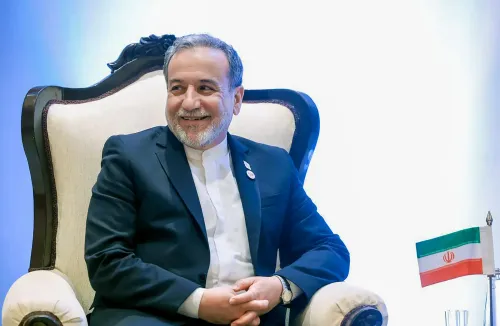
Iran's IRGC warned of regional escalation, while Foreign Minister Araghchi cautioned of 'surprises' for the US in an X post .
Turkish President Erdogan spoke with Trump on Wednesday; Turkey is considered a key mediator in the negotiations.
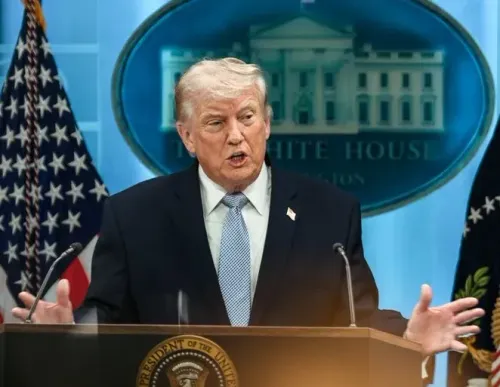
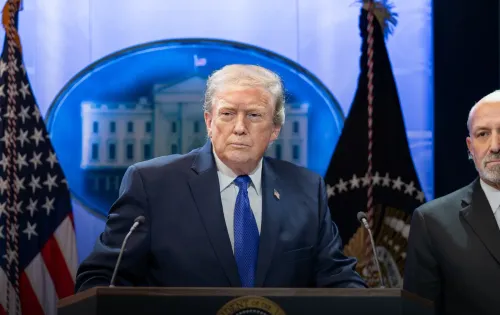
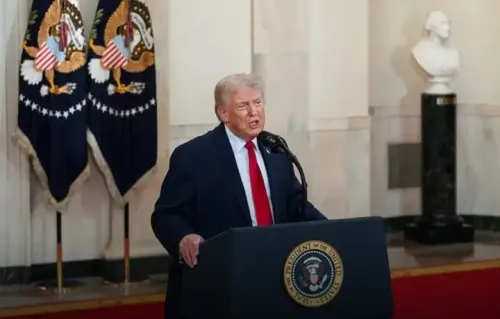
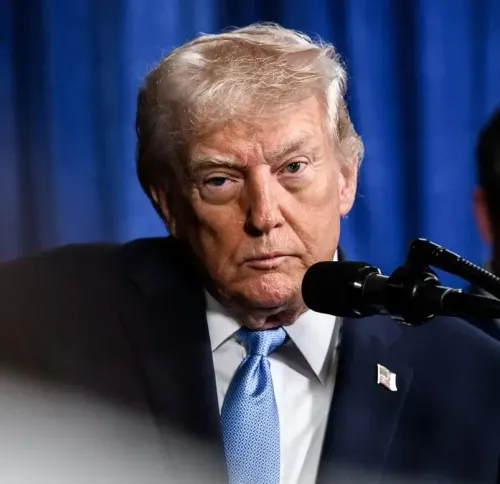
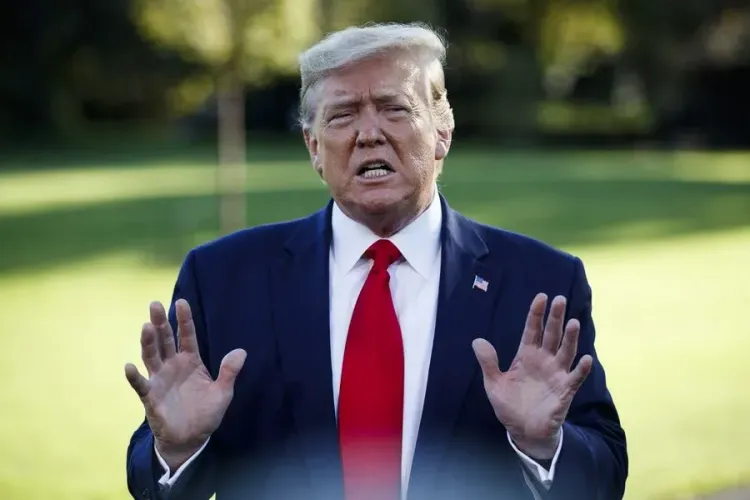
US President Donald Trump declared on Wednesday, 21 May that his administration is in the 'final stages' of peace negotiations with Iran, warning that failure to reach an agreement could prompt further US military action. Speaking to reporters at the White House, Trump said he was prepared to wait a few more days for the 'right answer' from Tehran.
Trump's Warning: Deal or Consequences
'We're in the final stages of Iran,' Trump told reporters. 'We'll see what happens.' He added: 'We'll either have a deal, or we're going to do some things that are a little bit nasty. But hopefully that won't happen.'
Trump explicitly ruled out a limited deal focused solely on reopening the Strait of Hormuz, saying: 'We're going to give this one shot.' He also dismissed any political urgency linked to the midterm elections, stating he was 'in no hurry' to close an agreement.
Background: War, Ceasefire, and Stalled Talks
The current diplomatic effort follows a period of intense military conflict. On 28 February, the United States and Israel launched joint strikes on Tehran and several other Iranian cities, reportedly killing Iran's then Supreme Leader Ali Khamenei, along with senior military commanders and civilians. Iran responded with waves of missile and drone strikes targeting Israeli and US bases and assets across the Middle East.
A ceasefire was reached on 8 April, followed by a round of peace talks in Islamabad, Pakistan, on 11 and 12 April — talks that ended without an agreement. Since then, both US and Israeli officials have escalated their rhetoric, with Trump on Tuesday claiming Iran's leaders were 'begging' to make a deal and warning that a fresh US strike could come within days if no deal materialises.
Iran's Counter-Warnings
Tehran has responded with its own sharp signals. Iran's Islamic Revolution Guard Corps (IRGC) warned on Wednesday that if US and Israeli military action against the country is repeated, the conflict could extend beyond the West Asia region. Separately, Iranian Foreign Minister Seyed Abbas Araghchi posted on X that a return to war with Iran would hold 'many more surprises' for the United States, citing a recent US Congressional report acknowledging the loss of dozens of aircraft.
Turkey's Role as Mediator
Trump confirmed he had a 'very good' phone call with Turkish President Recep Tayyip Erdogan earlier on Wednesday. Turkey is widely regarded as one of the key mediating powers in the ongoing US-Iran negotiations, given Ankara's diplomatic ties with both Washington and Tehran.
What Comes Next
With Trump signalling a narrow window for diplomacy, the coming days are likely to be decisive. A comprehensive deal — not a partial one, as Trump has stressed — remains the stated objective, but both sides continue to issue hardline public statements. The standoff carries significant implications for energy markets, regional security, and the broader geopolitical order in West Asia.
Point of View
Not a face-saving workaround. Yet Tehran's simultaneous public warnings suggest Iran's leadership calculates that showing resolve domestically is as important as reaching a deal. The Islamabad talks' failure in April, barely days after the ceasefire, is a reminder that bridging positions in backchannel talks is far harder than announcing them. Erdogan's role as interlocutor is the most underreported variable — if Ankara cannot move Tehran privately, the public ultimatums are likely to escalate.
NationPress
22 Sept 2026
Frequently Asked Questions
What did Trump say about US-Iran talks on 21 May 2025?
Trump told reporters on 21 May that the US is in the 'final stages' of peace negotiations with Iran and is waiting a few days for the 'right answer.' He warned that failure to reach a deal could result in further US military action, describing potential consequences as 'a little bit nasty.'
What happened between the US and Iran earlier in 2025?
On 28 February, the United States and Israel launched joint military strikes on Tehran and other Iranian cities, reportedly killing Iran's then Supreme Leader Ali Khamenei and several senior commanders. Iran retaliated with missile and drone strikes on US and Israeli assets across the Middle East before a ceasefire was reached on 8 April.
Why did the Islamabad peace talks fail?
The first round of US-Iran peace talks, held in Islamabad, Pakistan, on 11 and 12 April, ended without an agreement. No detailed breakdown of the sticking points has been officially confirmed, though both sides have since escalated public rhetoric.
What is Iran's position ahead of a potential deal?
Iran's IRGC warned on 21 May that any repeat of US-Israeli military aggression could expand the conflict beyond West Asia. Foreign Minister Seyed Abbas Araghchi separately posted on X that returning to war would hold 'many more surprises' for the United States, referencing a US Congressional report on aircraft losses.
What role is Turkey playing in US-Iran negotiations?
Turkey is regarded as one of the key mediators in the US-Iran talks. Trump confirmed a 'very good' phone call with Turkish President Recep Tayyip Erdogan on Wednesday, 21 May, indicating Ankara remains actively engaged in facilitating dialogue between Washington and Tehran.