Trump urges Iran to halt missile strikes, calls for deal before Monday
Synopsis
Trump said a US-Iran deal was days away from being signed — then Iran fired at least 10 ballistic missiles at Israel in three waves. Now he's calling Netanyahu personally to stop retaliation. The window for diplomacy is narrow and closing fast.
Key Takeaways
US President Donald Trump urged Iran to halt missile strikes on Israel and return to negotiations on 8 June .
Iran fired at least 10 ballistic missiles in at least three separate waves ; the IDF said all were intercepted.
Trump said a US-Iran agreement had been close to being signed "Monday, Tuesday or Wednesday" before the strikes occurred.
Trump said he would personally call Prime Minister Benjamin Netanyahu to urge Israel not to retaliate.
IDF Chief of Staff Eyal Zamir was assessing next steps; two Israeli sources indicated a 'powerful' response was being considered.
Israel's Home Front Command banned open-area gatherings of more than 200 people across the country.
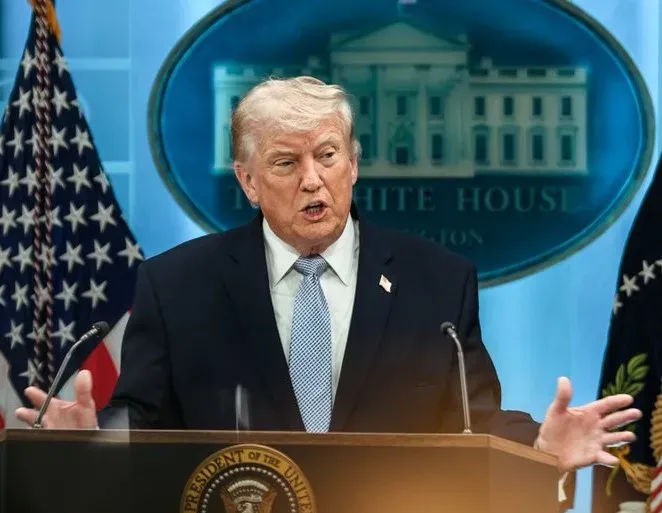
US President Donald Trump on Sunday, 8 June urged Iran to cease its ballistic missile attacks on Israel and return to the negotiating table, warning that the fresh barrage had severely complicated ongoing diplomatic efforts. The appeal came hours after Tehran fired at least 10 ballistic missiles toward Israel in at least three separate waves, all of which the Israeli military said were intercepted.
Trump's Direct Appeal to Tehran
Speaking to Fox News, Trump issued a pointed message to Iranian leadership. "What I would suggest to Iran: You've shot your missiles, that's enough," he said. "Get back to the table and make a deal." He added that a potential agreement had been within reach — reportedly close enough that he believed it could have been signed "on Monday, Tuesday or Wednesday of this coming week" — before the missile strikes disrupted talks. "It's certainly not going to help negotiations," Trump said.
Trump Presses Netanyahu Against Retaliation
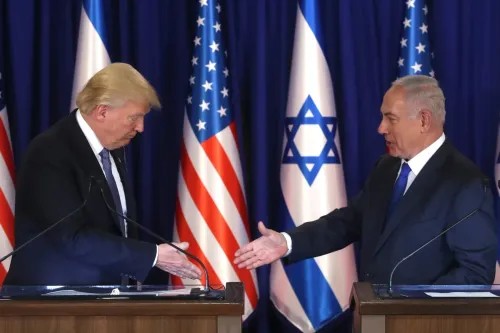
In a separate interview with Axios, Trump said he planned to personally call Israeli Prime Minister Benjamin Netanyahu to urge restraint. "I am going to call Bibi right now and tell him not to retaliate. Each of them had their fun. Israel had its strike, and Iran had its strike. We don't need another one," Trump said. The remark signals Washington's anxiety over a cycle of tit-for-tat strikes spiralling into a broader regional conflict.
Scale and Scope of the Iranian Attack
According to reports, Iran launched at least 10 ballistic missiles in a minimum of three separate waves on Sunday. The Israel Defense Forces (IDF) stated that all incoming missiles were intercepted. By Sunday night, the IDF had counted four missile barrages in total. The strikes triggered air-raid sirens across northern Israel, though there were no immediate reports of casualties or structural damage.
Israel's Military Response and Civil Defense Measures
IDF spokesperson Effi Defrin said Iran had made "a grave mistake" by firing on Israel and confirmed the military was prepared for additional incoming missiles. IDF Chief of Staff Eyal Zamir was holding a situational assessment and approving plans for next steps, Defrin added, without elaborating on specifics. Two Israeli sources cited in reports said Israel would deliver a "powerful" response to the attack, heightening fears of further escalation. Israel's Home Front Command also tightened civil defence restrictions nationwide, banning gatherings of more than 200 people in open areas.
What Comes Next
The missile exchange marks a sharp deterioration in an already volatile situation. With Trump pressing both sides toward de-escalation and Israeli officials signalling a forceful counter-response, the coming days will be critical in determining whether diplomacy can reassert itself. Any Israeli retaliatory strike could close the narrow window for the deal Trump described as nearly finalised.
Point of View
And the missile salvo exposed how fragile that claim was. The more revealing detail is his call to Netanyahu: a US president asking Israel not to retaliate is a significant constraint on an ally, and it underscores how much Washington fears the escalation ladder in this theatre. The risk is that neither side has a domestic incentive to back down first, and Trump's dealmaking framing — 'each of them had their fun' — may be too transactional for a conflict with deep strategic and ideological stakes on both sides.
NationPress
23 Sept 2026
Frequently Asked Questions
Why did Trump urge Iran to stop its missile attacks on Israel?
Trump urged Iran to halt its ballistic missile strikes after Tehran fired at least 10 missiles at Israel in multiple waves on 8 June, warning the attack had severely damaged prospects for a near-finalised diplomatic agreement. He said a deal had been close enough to sign within days before the strikes occurred.
What did Trump say about a potential US-Iran deal?
Trump said Washington and Tehran had been very close to reaching an agreement, which he believed could have been signed on Monday, Tuesday, or Wednesday of the following week. He said the missile attack 'is certainly not going to help negotiations.'
Did Israel intercept all of Iran's missiles?
Yes, the Israeli military stated that all incoming ballistic missiles were intercepted. The IDF reported four missile barrages in total by Sunday night, with sirens triggered across northern Israel but no immediate reports of casualties or damage.
How did Israel respond to the Iranian missile attack?
IDF spokesperson Effi Defrin said Iran had made 'a grave mistake' and that the military was prepared for further missiles. IDF Chief of Staff Eyal Zamir was approving plans for next steps, and two Israeli sources indicated Israel would deliver a 'powerful' response, raising regional escalation concerns.
Why did Trump say he would call Netanyahu?
Trump said he would call Prime Minister Benjamin Netanyahu to personally urge Israel not to retaliate, framing both sides as having already exchanged strikes. The call reflects US concern that an Israeli counter-strike could extinguish the remaining diplomatic window.