Trump, Netanyahu in phone talks after Iran fires missiles at Israel
Synopsis
Iran fired at least 10 ballistic missiles at Israel in four separate waves on 8 June, prompting a direct phone call between Donald Trump and Benjamin Netanyahu. Trump publicly urged Netanyahu not to retaliate — warning that a counter-strike could destroy a US-Iran deal he claimed was days away from being signed. Whether Israel holds back or hits back could determine the fate of diplomacy in the region.
Key Takeaways
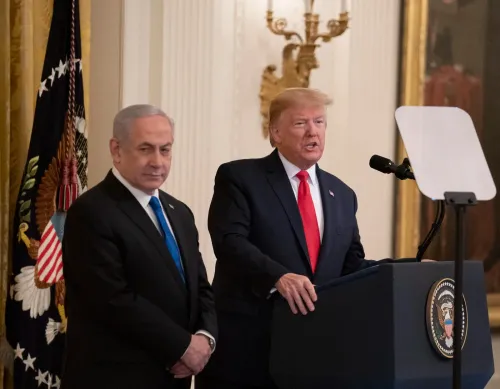
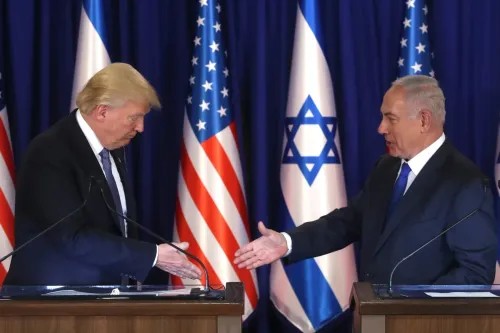
Donald Trump and Benjamin Netanyahu spoke by phone on 8 June after Iran launched missile attacks on Israel, per Kan TV .
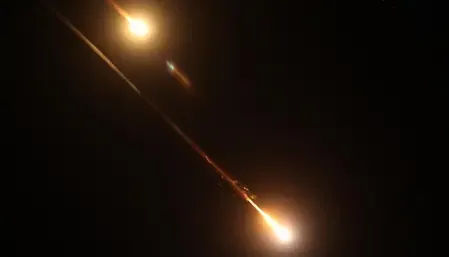
Iran fired at least 10 ballistic missiles in at least three waves ; the Israeli military said all were intercepted.
The Israeli military confirmed four missile barrages in total by Sunday night; no casualties or damage were immediately reported.
Trump publicly urged Netanyahu not to retaliate, saying a US-Iran ceasefire deal was potentially days away from being signed.
Two Israeli sources cited by CNN said Israel was preparing a 'powerful' response, raising fears of further escalation.
Air-raid sirens were triggered across northern Israel following the missile launches.
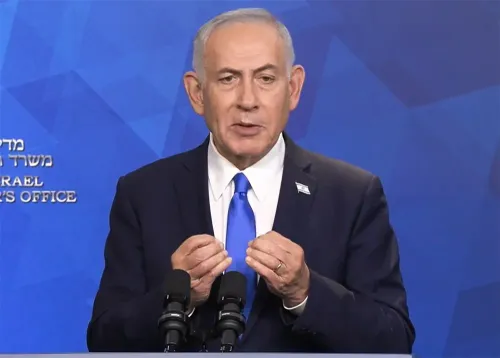
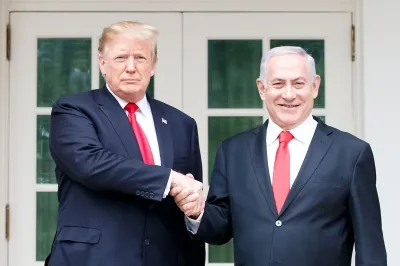
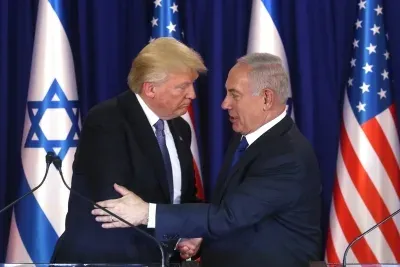
US President Donald Trump and Israeli Prime Minister Benjamin Netanyahu held a phone call on Sunday, 8 June after Iran launched multiple missile barrages at Israel in what Tehran described as a response to Israeli airstrikes on Beirut. The call was reported by Israel's state-owned broadcaster Kan TV. Neither Netanyahu's office nor the White House issued an immediate statement confirming the conversation.
Trump Urges Restraint, Warns Against Retaliation
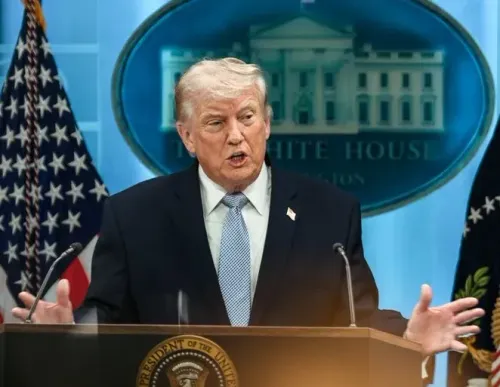
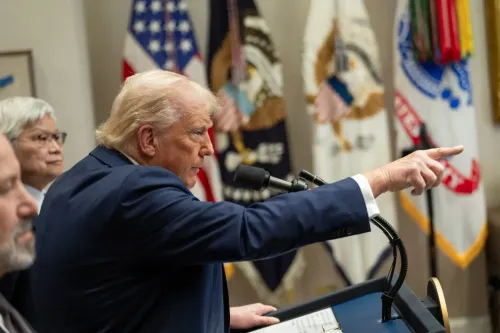
Before the call took place, Trump signalled his position publicly. Speaking to Israel's Channel 12 News, he said he intended to press Netanyahu against striking back, citing fears that a retaliatory move could derail ongoing US-Iran ceasefire negotiations. 'I am going to call Bibi right now and tell him not to retaliate. Each of them had their fun. Israel had its strike, and Iran had its strike. We don't need another one,' Trump said, according to reports.
In a separate interview with Fox News, Trump addressed Tehran directly: 'What I would suggest to Iran: You've shot your missiles, that's enough. Get back to the table and make a deal.'
Trump Says Deal Was Days Away
Trump claimed that Washington and Tehran had been on the verge of a diplomatic agreement before Iran's missile launch. 'We're very close. I would say an agreement would be signed on Monday, Tuesday or Wednesday of this coming week. And now this takes place,' he told Fox News. 'It's certainly not going to help negotiations,' he added. In a further interview with Axios, Trump reiterated his intent to urge Netanyahu toward de-escalation.
Scale of the Iranian Strike
According to CNN, Iran fired at least 10 ballistic missiles toward Israel in at least three separate waves on Sunday. The Israeli military stated that all incoming missiles were intercepted. By Sunday night, the Israeli military said Iran had launched a total of four missile barrages at the country. Air-raid sirens were triggered across northern Israel, though there were no immediate reports of casualties or structural damage.
Israeli Response and Escalation Fears
Two Israeli sources cited by CNN said Israel was preparing a 'powerful' response to the attack, raising immediate concerns about a wider escalation across the region. This comes amid already heightened tensions following Israeli airstrikes on Beirut that preceded Iran's missile launches. The exchange marks one of the most direct military confrontations between the two adversaries in recent months, and analysts warn that any Israeli counter-strike could significantly complicate diplomatic efforts.
What Happens Next
The trajectory of events now hinges on whether Netanyahu heeds Trump's call for restraint. A retaliatory Israeli strike could collapse the fragile US-brokered talks with Iran, while inaction may face domestic political pressure in Israel. Regional governments and international observers are closely watching the next 48 to 72 hours as a critical window for either de-escalation or further conflict.
Point of View
On television, before the phone call even happens, is an unusual diplomatic sequence that strips Netanyahu of cover. The claim that a deal was 'days away' will now face scrutiny: if true, Iran's decision to fire anyway suggests either a deliberate sabotage of talks or a miscalculation. Either reading is alarming. The next Israeli move will test not just regional stability but the credibility of Trump's mediator role.
NationPress
19 Sept 2026
Frequently Asked Questions
Why did Trump call Netanyahu after Iran's missile attack?
Trump called Netanyahu on 8 June to urge him not to retaliate against Iran's missile strikes, according to Kan TV. Trump said he feared an Israeli counter-strike would collapse ongoing US-Iran ceasefire negotiations that he claimed were close to producing a deal.
How many missiles did Iran fire at Israel?
Iran fired at least 10 ballistic missiles toward Israel in at least three separate waves on Sunday, 8 June, according to CNN. The Israeli military said all missiles were intercepted and reported four total barrages by Sunday night.
Was anyone killed or injured in Iran's missile attack on Israel?
There were no immediate reports of casualties or structural damage following the missile barrages. Air-raid sirens were activated across northern Israel, but the Israeli military stated all incoming missiles were intercepted.
What did Trump say about a US-Iran ceasefire deal?
Trump claimed that Washington and Tehran had been very close to signing a ceasefire agreement, suggesting it could have been finalised by Monday, Tuesday, or Wednesday of the following week. He said Iran's missile attack 'is certainly not going to help negotiations.'
How did Israel signal it would respond to the attack?
Two Israeli sources cited by CNN indicated that Israel was planning a 'powerful' response to Iran's missile launches, raising concerns about a significant escalation. No formal statement had been issued by Israeli authorities at the time of reporting.