Netanyahu backs Iran nuclear talks, says Israel can cut US aid to zero
Synopsis
Netanyahu's NBC interview carried two headline-level signals in one sitting: Israel backs Trump's Iran diplomacy — and may no longer need American military money. With fresh US strikes on Iran overnight and Trump claiming a 'perfect deal' collapsed within the hour, the gap between negotiation and confrontation has never looked narrower.
Key Takeaways
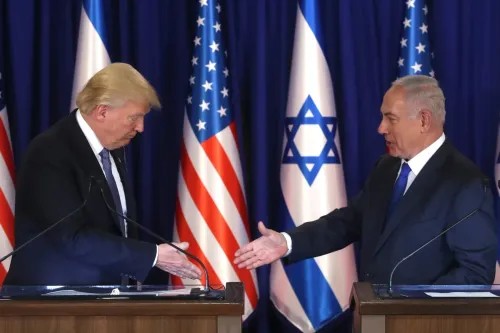
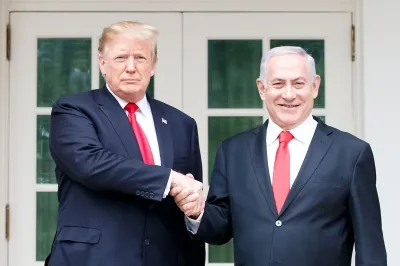
Israeli PM Benjamin Netanyahu endorsed President Trump 's effort to negotiate a nuclear deal with Iran in an interview on 13 July .
Netanyahu said Israel had reached a stage where it could reduce US military assistance to zero .
Trump claimed Iran had agreed to ‘a perfect deal’ before launching a drone at a ship within the hour.
Trump confirmed the Strait of Hormuz remains open and that the US carried out fresh strikes against Iran overnight .
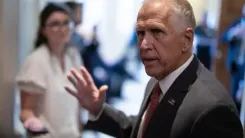
Netanyahu paid tribute to the late Senator Lindsey Graham , calling him Israel's strongest Senate backer, who died on Saturday after a sudden illness.
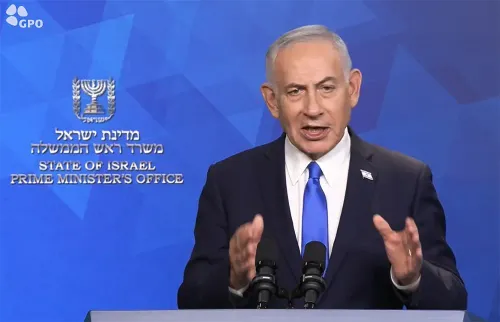
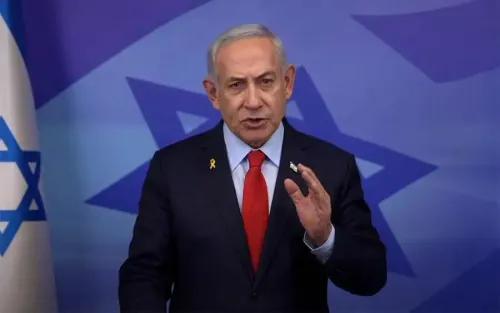
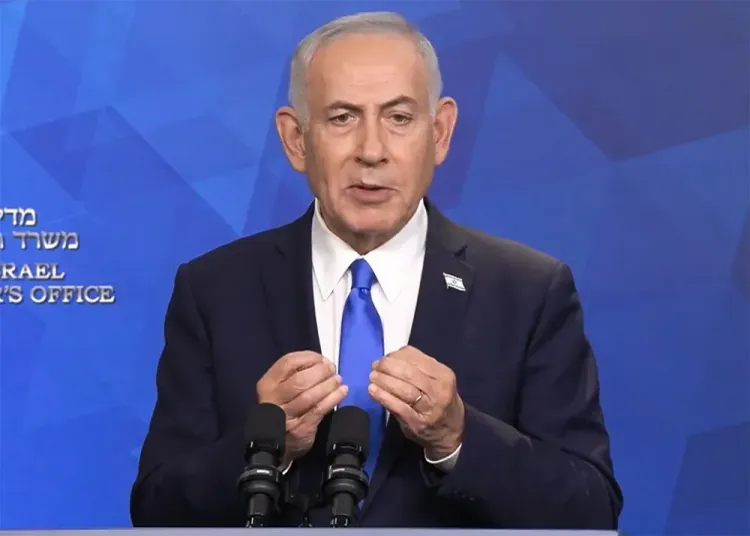
Israeli Prime Minister Benjamin Netanyahu on 13 July voiced support for US President Donald Trump's diplomatic push to negotiate a nuclear agreement with Iran, while also declaring that Israel had matured to a point where it could gradually reduce American military assistance to zero. The remarks, made in a televised interview on NBC News' Meet the Press, come amid active US-Iran negotiations and fresh American strikes against Tehran overnight.
Netanyahu on Iran Talks and Trump's Approach
Speaking on the programme, Netanyahu said he believed Trump was committed to exhausting all diplomatic options — particularly on Iran's nuclear programme — before considering military action. “I think President Trump wants to exhaust the possibility of achieving an agreement, especially on the nuclear issue, through negotiations,” Netanyahu said. He added that Trump “is obviously not shy of using force when the Iranians break every commitment they make, and usually a few hours or a few minutes after they make it.”
Netanyahu said he believed the diplomatic process should be allowed to run its course. “I think we should let the President have his opportunity,” he said. The Israeli prime minister's endorsement of Trump's approach is notable given Israel's historically hawkish stance on Iran's nuclear ambitions.
Trump Claims Iran Agreed to a 'Perfect Deal' Before Drone Incident
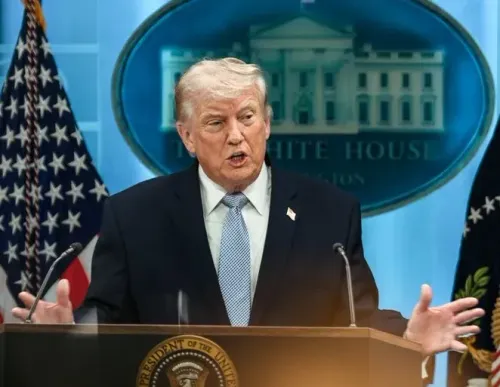
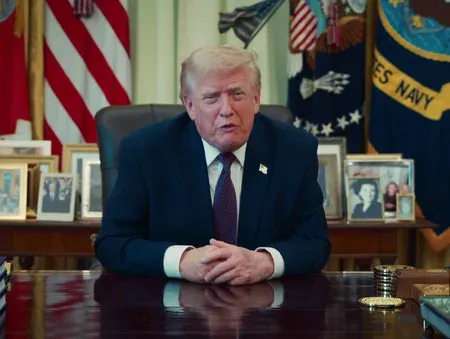
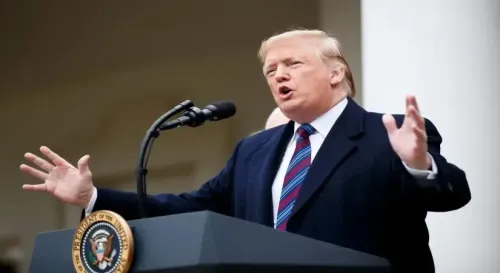
In a separate interview on the same programme, Trump claimed Iran had agreed to what he described as “a perfect deal” before launching a drone at a ship. “They agreed to a deal yesterday, a perfect deal for us. No nuclear, no this, no that, no nothing. They gave up everything,” Trump said. He added that within an hour of leaving the room, Iran “launched a drone at a ship.”
Trump confirmed that the Strait of Hormuz remained open and said the US had conducted fresh strikes against Iran overnight. The sequence of events — a reported deal followed almost immediately by a hostile act — underscores the volatile and contested nature of the current diplomatic track.
Israel's Stance on US Military Assistance
Netanyahu also addressed the long-standing US-Israel military aid relationship, signalling a potential shift in its structure. “We've come of age, and we're able to draw them down to zero,” he said, referring to US military assistance. He framed the remark in the context of agreements on military support reached across the Clinton, Obama, and Trump presidencies.
At the same time, Netanyahu was emphatic about Israel's gratitude for the partnership. “Israel is keenly grateful for the fact that America joined — and Israel joined forces to prevent Iran from getting nuclear weapons and the means to deliver them, not only against us, but against the entire West, and against the United States,” he said. He argued that joint US-Israel operations had successfully pushed back what he characterised as an immediate threat from Iran's nuclear and missile programmes.
A Tribute to Senator Lindsey Graham
Netanyahu also paid tribute to the late Senator Lindsey Graham, who died on Saturday after a sudden illness. Graham was widely regarded as one of Israel's strongest advocates in the US Senate and had reportedly pushed for greater American support for Israeli ballistic missile defence — sometimes exceeding what Netanyahu himself requested. “He would outbid the Prime Minister of Israel,” Netanyahu recalled. The prime minister noted that Graham believed US military assistance to Israel directly served American security interests as well.
What Comes Next
The dual track of diplomacy and military pressure appears to define the current US posture toward Iran. Whether the reported near-agreement — disrupted, according to Trump, by the drone incident — can be revived remains unclear. Analysts will be watching whether Iran returns to the table or escalates further, and whether Israel's stated willingness to reduce its dependence on US military aid signals a deeper strategic repositioning in the region.
Point of View
Netanyahu is threading a careful needle: avoiding the appearance of pushing Washington toward war while keeping the military option credible. The more striking detail, however, is Trump's claim of a near-deal with Iran that collapsed within the hour — an account that, if accurate, reveals how fragile the current diplomatic architecture truly is. A deal that breaks down before the delegations leave the building is not a deal; it is a pretext, and both sides appear to be using the negotiating table as cover for ongoing military posturing.
NationPress
12 Oct 2026
Frequently Asked Questions
What did Netanyahu say about Iran nuclear talks?
Netanyahu said he supports President Trump's effort to reach a nuclear agreement with Iran through negotiations, and that Trump retains the option of military force if Iran violates commitments. He made the remarks in an interview on NBC News' Meet the Press on 13 July.
Did Trump say Iran agreed to a nuclear deal?
Trump claimed in a separate interview that Iran had agreed to what he called 'a perfect deal' — covering its nuclear programme and more — but that Iran launched a drone at a ship within an hour of leaving the room. The reported near-agreement has not been independently confirmed.
Why did Netanyahu say Israel could reduce US military aid to zero?
Netanyahu said Israel has grown sufficiently capable of defending itself that it can gradually draw down American military assistance to zero. He framed this as a sign of Israel's strategic maturity, while still expressing gratitude for decades of US military partnership.
What is the current status of the Strait of Hormuz?
President Trump confirmed on 13 July that the Strait of Hormuz remains open. He also said the US had conducted fresh strikes against Iran overnight, indicating continued military activity alongside diplomatic efforts.
Who was Senator Lindsey Graham and why did Netanyahu mention him?
Senator Lindsey Graham was one of Israel's most prominent supporters in the US Senate, known for advocating robust American military aid to Israel — sometimes pushing for more than Israel itself requested. Netanyahu paid tribute to Graham, who died on Saturday after a sudden illness, calling him a key backer of the US-Israel security relationship.