Jon Finer warns Trump policies are pushing US allies toward self-reliance

Synopsis
A former Biden-era deputy national security adviser has put numbers to what many diplomats say privately: Trump's policies are accelerating a global realignment away from the US. From Europe's defence pivot to India eyeing Chinese AI models, the essay argues the costs — $132 billion in consumer burden, $8 billion in lost tourism, a 17% drop in university enrolment — are already being paid by Americans.
Key Takeaways
Jon Finer , former US Deputy National Security Adviser, published a warning essay in The New York Times on 13 July arguing Trump's policies are driving global allies toward self-reliance.
Europe raised military spending by 14% to $864 billion in 2025 , but purchases from US defence companies fell by almost half .
Economic costs linked to the Iran war imposed a $132 billion burden on American consumers, according to Moody's figures cited in the essay.
The US received 4 million fewer international visitors in 2025 than 2024, costing more than $8 billion ; university enrolment fell 17% , costing at least $1 billion .
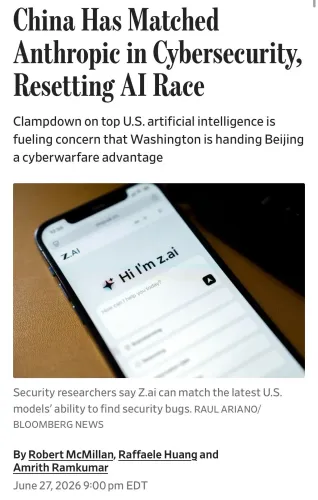
India is reportedly considering domestic or Chinese AI alternatives amid concerns over reliable US access; Canada has joined a European defence fund worth over $150 billion .
Former US Deputy National Security Adviser Jon Finer has warned that countries across Europe, Asia, and the Middle East are systematically reducing their dependence on the United States, arguing that President Donald Trump's policies are eroding American alliances and inflicting measurable economic damage at home. Finer made the case in a guest essay published by The New York Times on Sunday, 13 July.
The Core Argument
In his essay, titled 'The World Is Cutting Ties With America. It's Already Costing Us,' Finer described what he called 'a nearly global grand strategy of countries distancing themselves from the world's most powerful nation.' He attributed the shift to what he characterised as the Trump administration's 'ostentatious corruption, trade conflicts, military adventurism and mercurial artificial intelligence regulation.'
Finer served as deputy national security adviser from 2021 to 2025 under the Biden administration and is currently a distinguished senior fellow at Yale Law School and the Center for American Progress.
Europe Pivots on Defence and Trade
European policymakers, Finer wrote, are expanding their own defence, energy, and technology industries while diversifying partnerships with non-US partners. He pointed to last week's NATO summit in Ankara, where Trump renewed threats against US allies Denmark and Spain, as a visible flashpoint in the deteriorating relationship.
Europe raised its military expenditure by 14 per cent to $864 billion in 2025, according to the essay — yet its purchases from American defence companies fell by almost half. The divergence signals that European rearmament is increasingly benefiting domestic and non-US suppliers rather than Washington's defence industry.
Economic Costs to the United States
Finer cited a series of quantifiable costs resulting from the administration's policies. Economic burdens linked to the Iran war — including higher petrol and fertiliser prices — contributed to a $132 billion burden on American consumers, according to Moody's figures cited in the essay.
Tourism losses were also significant. The United States received four million fewer international visitors in 2025 than in 2024, costing more than $8 billion, Finer wrote. International university enrolment fell 17 per cent last autumn, costing universities at least $1 billion, he added. Trump's immigration policies, Finer argued, were a key driver of both trends.
India, Canada, Japan, South Korea: A Wider Realignment
India, Finer noted, is strengthening commercial ties with Europe, the Middle East, and — reportedly with some reluctance — China. Concerns over reliable access to advanced American artificial intelligence models are prompting New Delhi to evaluate domestic or Chinese alternatives. A senior Indian official told Finer last year: 'People here say we need to look again at China, or maybe even build our own.'
Canada has established a 'new strategic partnership' with China and joined a European defence fund worth more than $150 billion. Japan is developing stronger offensive military capabilities, while South Korean arms manufacturers are reportedly displacing American suppliers in international markets.
A Nuanced Concession
Finer acknowledged that some degree of allied self-reliance could ultimately serve US interests. Greater European defence capacity, he noted, could eventually free up American resources for other strategic priorities. Critics of the essay, however, may argue that this concession undercuts the urgency of his central warning.
With US competition against China intensifying, Finer argued, the erosion of partnerships is weakening Washington's military and technological advantages at precisely the wrong moment. Whether the Trump administration recalibrates its approach to allied relations remains to be seen.
Point of View
Dollar figures, and a Moody's citation. What mainstream coverage tends to miss is the India dimension. New Delhi's quiet pivot toward Chinese AI alternatives, if it materialises, would represent a strategic failure far costlier than lost tourism revenue. The deeper contradiction Finer surfaces is that Trump's transactional approach to alliances is producing the very multipolarity it claims to resist — and the US is funding the transition through consumer price increases and a hollowed-out defence export pipeline.
NationPress
13 Jul 2026
Frequently Asked Questions
Who is Jon Finer and why does his warning carry weight?
Jon Finer served as US Deputy National Security Adviser from 2021 to 2025 under the Biden administration and is now a distinguished senior fellow at Yale Law School and the Center for American Progress. His insider experience in alliance management gives his assessment of allied drift credibility beyond typical commentary.
Which countries are distancing themselves from the US, according to Finer?
Finer points to a broad set of nations including European allies expanding defence and energy independence, India strengthening ties with Europe, the Middle East, and China, Canada forming a new strategic partnership with China, Japan building offensive military capabilities, and South Korea displacing US arms suppliers internationally.
What economic costs does Finer attribute to Trump's policies?
According to figures cited in the essay, the Iran war contributed to a $132 billion consumer burden in the US based on Moody's data. Additionally, four million fewer international visitors in 2025 cost more than $8 billion, and a 17% drop in international university enrolment cost universities at least $1 billion.
How is India responding to US policy uncertainty on AI?
Finer wrote that India is considering domestic artificial intelligence alternatives or Chinese models due to concerns about reliable access to advanced American AI systems. A senior Indian official told Finer: 'People here say we need to look again at China, or maybe even build our own.'
Did Finer acknowledge any upside to allies becoming more self-reliant?
Yes. Finer conceded that greater allied self-reliance — particularly in European defence — could eventually free up American resources for other strategic priorities. However, he argued this benefit is outweighed by the erosion of US military and technological advantages at a time of intensifying competition with China.