Rubio tells Europe to bear more NATO defence burden, cites US strain
Synopsis
Marco Rubio's Senate testimony was less a routine briefing than a blunt ultimatum to Europe: pay more, or watch the transatlantic bargain fray. By tying NATO's value to base access and capability — not loyalty — Rubio reframed the alliance as transactional, and singled out Sweden and Finland as the new template for what membership should look like.
Key Takeaways
Marco Rubio told the Senate Foreign Relations Committee on 2 June that European NATO allies must take on more defence responsibility.
He argued European social safety nets were built partly because the US underwrote their security.
Rubio warned that pledges must translate into actual defence capability, not just headline numbers.
He cited the Indo-Pacific , Middle East , Africa , and Western Hemisphere as competing US priorities.
He reaffirmed support for NATO but flagged concerns over base-access restrictions by some allies.
Rubio praised Sweden and Finland for joining with their own defence industries and advanced technologies.
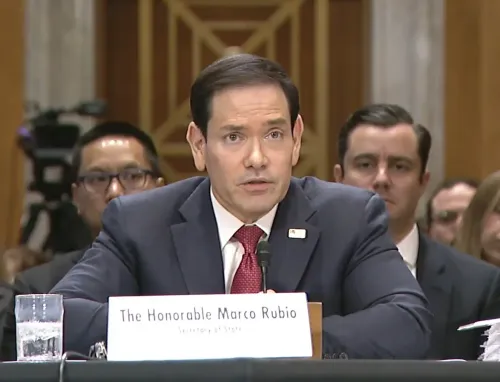
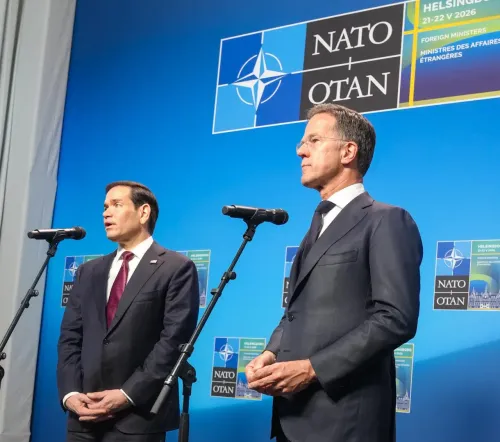
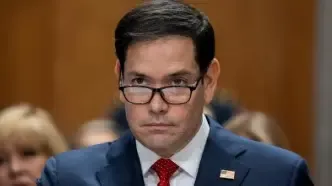
US Secretary of State Marco Rubio on Tuesday, 2 June, told lawmakers in Washington that European allies must shoulder a far greater share of their own defence, warning that the United States can no longer carry a disproportionate security load while juggling rising challenges across the Indo-Pacific, the Middle East, and other theatres. His remarks, delivered before the Senate Foreign Relations Committee, mark one of the sharpest articulations yet of the Trump administration's push to recalibrate burden-sharing within NATO.
Key remarks before the Senate panel
Defending the administration's drive for higher NATO defence spending, Rubio said many European countries would face hard fiscal choices if they were serious about meeting their military commitments. ‘The reality of NATO, whether we like to hear it or not, is that many of the countries in Europe were able to build these very robust social safety nets because they didn't have to spend it on defence, because NATO and the United States were providing it for them,' Rubio said.
The Secretary of State acknowledged that several NATO members had pledged higher outlays but cautioned that pledges alone would not suffice. ‘They've made these pledges that they're going to increase their defence spending and their defence capability. It actually has to be on defence,' he said.
The fiscal trade-off facing Europe
Rubio argued that European governments would eventually have to choose between raising taxes, trimming domestic spending, or accepting slower growth to finance stronger militaries. ‘The bigger challenge that much of Europe faces, many countries in NATO face, their economies are not growing,' he said.
The comments come amid a broader debate within the alliance ahead of upcoming NATO and G7 meetings, where defence outlays and capability gaps are expected to dominate the agenda.
Washington's global stretch
Rubio underscored that US commitments now extend well beyond the Euro-Atlantic. ‘The United States has global obligations,' he said, citing the Indo-Pacific, the Middle East, Africa, and the Western Hemisphere as competing priorities. ‘We don't have unlimited military resources,' he added, suggesting that some allies had not fully grasped the simultaneous pressures on Washington.
NATO support, but with caveats
Pressed by Senator Chris Coons on whether the alliance's Article 5 mutual defence commitment remained unconditional, Rubio reaffirmed his long-standing support for NATO while questioning whether all members were contributing equitably. ‘I have throughout my entire career in the Senate and through much of my time now in this administration been a supporter of NATO,' he said.
He also flagged concerns about allies restricting US military access during crises. ‘If the core rationale for us being in NATO, if what we get out of NATO is the ability to use bases, and then we have members of that alliance that are basically denying the use of those bases in a contingency, it calls into question the entire thing,' Rubio said.
Praise for Sweden and Finland
The Secretary singled out Sweden and Finland, NATO's newest entrants, as model contributors. ‘Sweden and Finland have actually contributed because they brought their own defence industry, their own advanced technologies,' he said, contrasting their capability-led entry with allies more reliant on US underwriting.
With NATO and G7 summits approaching, Rubio's testimony is likely to sharpen pressure on European capitals to convert spending pledges into verifiable capability — a debate that will shape transatlantic security through the rest of the year.
Point of View
Not just flags. The unanswered question is whether tying Article 5 rhetoric to base-access grievances erodes the deterrent ambiguity that has underpinned the alliance for seven decades. For Europe, the fiscal maths is brutal: stagnant growth, strained welfare states, and a US partner that is no longer pretending the bill is shared.
NationPress
20 Sept 2026
Frequently Asked Questions
What did Marco Rubio say about European defence spending?
Rubio told the Senate Foreign Relations Committee on 2 June that European NATO allies must take greater responsibility for their own defence, arguing the United States can no longer carry a disproportionate share. He said many European countries built robust social safety nets because the US underwrote their security.
Why is the Trump administration pushing NATO allies to spend more?
The administration argues that US military resources are finite and stretched across the Indo-Pacific, the Middle East, Africa, and the Western Hemisphere. Rubio said allies must convert spending pledges into actual defence capability rather than headline commitments.
Did Rubio reaffirm the US commitment to NATO's Article 5?
Rubio reaffirmed his personal and career-long support for NATO when pressed by Senator Chris Coons, but he raised concerns about unequal contributions and about allies restricting US base access during crises. He did not offer an unconditional endorsement of Article 5 in his testimony.
Why did Rubio single out Sweden and Finland?
Rubio praised Sweden and Finland, NATO's newest members, for bringing their own defence industries and advanced technologies into the alliance. He contrasted them with members he suggested rely more heavily on US capability.
What happens next on NATO burden-sharing?
Rubio's remarks come ahead of upcoming NATO and G7 meetings where defence outlays and capability gaps are expected to dominate. European capitals will face fresh pressure to detail how pledged increases will translate into verifiable military capability.