Rubio to Congress: Trade over aid is Trump's new foreign policy
Synopsis
Marco Rubio's congressional testimony marks the clearest break yet from decades of US foreign aid orthodoxy. The Trump administration is not just cutting programmes — it is replacing the entire rationale, tying every assistance dollar to a measurable American return. The 'trade over aid' doctrine, backed by two new budget instruments, signals a fundamental reordering of how Washington engages the world.
Key Takeaways
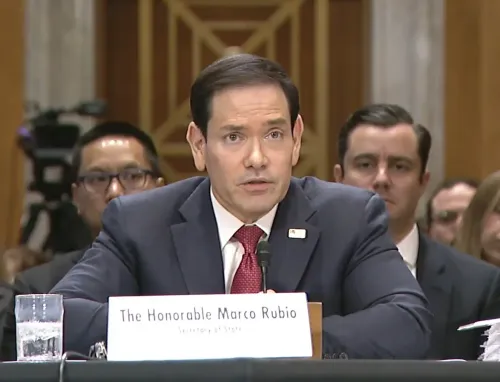
Secretary of State Marco Rubio is set to testify before the House Appropriations Subcommittee on Tuesday, 3 June 2025 .
The Trump administration has eliminated foreign aid programmes deemed not to advance US national interests since January 2025 .
The new doctrine: 'trade over aid, investment over dependency, mutually beneficial partnership over permanent patronage.' Two new budget instruments proposed: the 'America First Global Health Strategy' and the 'America First Opportunity Fund' targeting critical minerals and supply chains.
Rubio argues foreign policy and domestic economic strength — shipbuilding, medicine, immigration, resources — are inseparable.
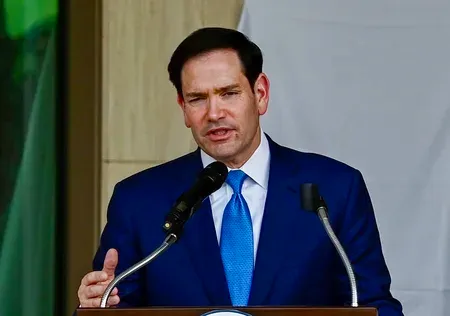
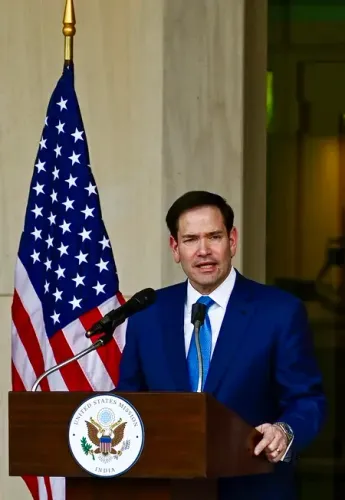
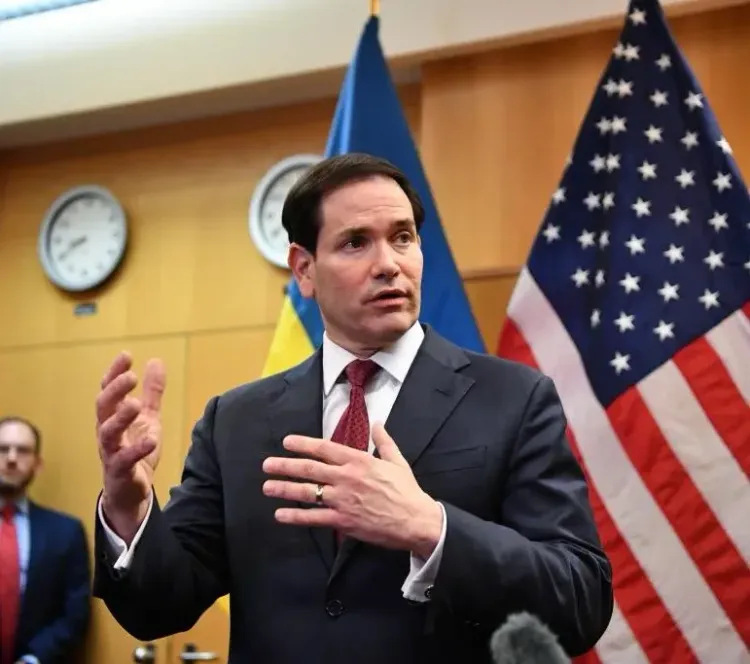
US Secretary of State Marco Rubio is set to tell lawmakers on Tuesday, 3 June 2025 that the Trump administration has fundamentally overhauled American foreign assistance policy, replacing what it characterises as dependency-driven aid programmes with a framework built on trade, investment, and partnerships that directly serve US national interests. The testimony, prepared for a hearing before the House Appropriations Subcommittee on National Security, Department of State, and Related Programs, offers the most detailed public articulation yet of how Washington intends to justify its foreign affairs budget under the new doctrine.
The Core Argument
In his prepared remarks, Rubio frames foreign assistance not as a development obligation but as a tool of statecraft — one that must yield measurable returns for the United States. 'Foreign aid, properly understood, is a valuable tool — a key instrument of statecraft,' he says. 'But every dollar of our assistance must make America safer, stronger, or more prosperous.'
The Secretary goes further, drawing a hard line on the purpose of taxpayer-funded programmes: 'It must serve the American interest or it should not be paid for by the American people.' This marks a sharp departure from the bipartisan consensus that has shaped US foreign aid architecture since the post-war era.
Trade Over Aid: The New Model
At the centre of the administration's approach is a deliberate pivot away from traditional aid structures. 'Our new model emphasises trade over aid, investment over dependency, and mutually beneficial partnership over permanent patronage,' Rubio says in the prepared testimony. Programmes that the administration determined failed to advance American interests have reportedly been eliminated since President Donald Trump returned to office in January 2025, with remaining assistance brought under the strategic direction of the State Department.
This comes amid a broader global competition for critical technologies, rare minerals, and advanced manufacturing capacity — a race in which the administration argues the old aid model left the United States strategically exposed.
Budget Proposals: Two New Instruments
The testimony outlines two flagship budget initiatives. The first is an 'America First Global Health Strategy', described as being developed through dozens of bilateral assistance agreements aligned with core American interests — a significant structural shift from multilateral health funding. The second is the 'America First Opportunity Fund', which Rubio says would support strategic investments, secure access to critical minerals, rebuild American supply chains, and strengthen competitiveness in industries considered vital to future economic growth.
Rubio frames the proposed budget as reinforcing American economic dominance rather than underwriting global development. 'It reinforces and bolsters American economic dominance,' he says of the overall proposal.
Linking Foreign Policy to Domestic Strength
Notably, Rubio argues that foreign and domestic economic policy can no longer be treated as separate domains. 'A country that cannot build ships, produce medicine, control immigration, or access vital resources cannot defend its people, its interests, or its way of life,' he says — a formulation that ties foreign affairs spending directly to industrial and supply-chain policy. This framing signals that the administration views foreign policy as an extension of its reshoring and economic security agenda.
What Comes Next
The hearing before the House subcommittee will be a key test of whether the administration's 'trade over aid' doctrine can survive congressional scrutiny, particularly from members who have historically backed development assistance and global health programmes. Critics are likely to press Rubio on which specific programmes have been cut and what metrics will be used to measure whether the new model actually advances American interests. The outcome could shape the foreign affairs appropriations debate for the remainder of the fiscal year.
Point of View
But codifying it this explicitly breaks with the post-war consensus that US foreign assistance serves both strategic and humanitarian ends. The 'America First Opportunity Fund' framing around critical minerals is particularly telling: it conflates foreign policy with industrial policy in ways that will complicate alliances with partners who expected unconditional engagement. The real accountability question — what metrics will determine whether a dollar 'made America safer or stronger' — remains unanswered in the testimony, and that gap is where congressional pushback is most likely to land.
NationPress
21 Sept 2026
Frequently Asked Questions
What is the 'trade over aid' policy Marco Rubio is proposing?
It is the Trump administration's new foreign assistance doctrine, which replaces traditional development aid with a model centred on trade, strategic investment, and partnerships that produce direct benefits for the United States. Rubio argues every assistance dollar must make America safer, stronger, or more prosperous.
What foreign aid programmes has the Trump administration cut?
According to Rubio's prepared testimony, programmes that 'failed to advance' American interests have been eliminated since President Donald Trump returned to office in January 2025. Specific programme names are not detailed in the testimony, but remaining assistance has been brought under State Department strategic direction.
What is the 'America First Opportunity Fund'?
It is a proposed budget instrument outlined in Rubio's testimony that would fund strategic investments, secure US access to critical minerals, rebuild American supply chains, and strengthen industries considered vital to future economic growth.
What is the 'America First Global Health Strategy'?
It is a new health assistance framework proposed in the budget, described as being developed through dozens of bilateral agreements aligned with core US interests — a shift away from multilateral global health funding models.
Why does this matter for US allies and aid-recipient countries?
The explicit shift to a transactional model means countries that previously received US assistance on development or humanitarian grounds may face reduced or restructured support unless they can demonstrate alignment with American strategic and economic interests. This could reshape diplomatic relationships, particularly in regions where US aid has historically underpinned stability agreements.