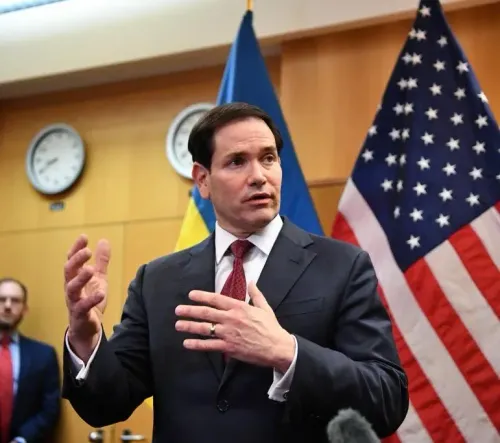
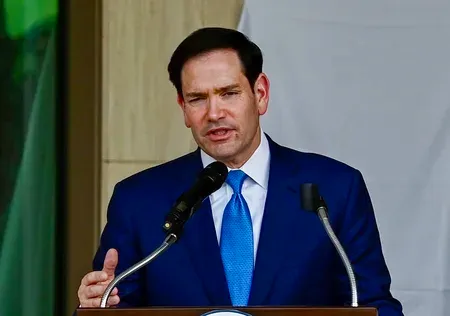
Rubio defends 'America First' foreign policy in Congress budget testimony
Synopsis
Marco Rubio is heading to Capitol Hill to make the most direct case yet for dismantling the old US foreign policy consensus — cutting aid that doesn't serve American interests, restructuring the State Department from the ground up, and tying diplomacy to supply chains and border security. It is a doctrine that is as much domestic policy as it is foreign policy.
Key Takeaways
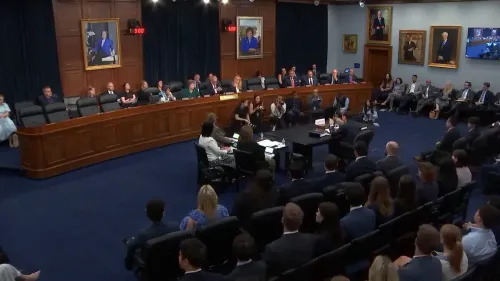
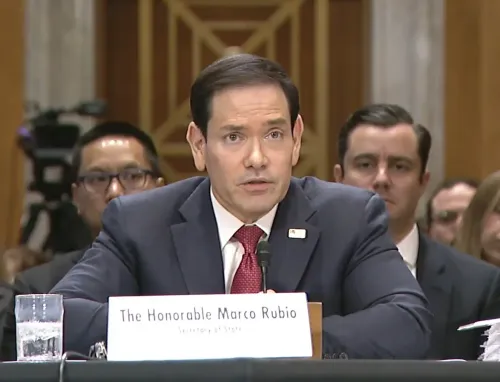
Secretary of State Marco Rubio is scheduled to testify before the House Appropriations Subcommittee on Tuesday, 3 June 2025 .
Rubio argues US foreign policy under President Donald Trump has returned to its 'core mission' of protecting American people, homeland, and national interests.
The State Department restructuring is described as the most extensive in the agency's history, with offices consolidated and bureaucracy reduced.
Foreign aid programmes that failed to advance American interests have been terminated; the new framework emphasises 'trade over aid, investment over dependency'.
The budget request includes the 'America First Opportunity Fund' targeting critical minerals, supply chains, and emerging industries.
Rubio explicitly links foreign policy to domestic priorities including border security, energy policy, and industrial competitiveness.
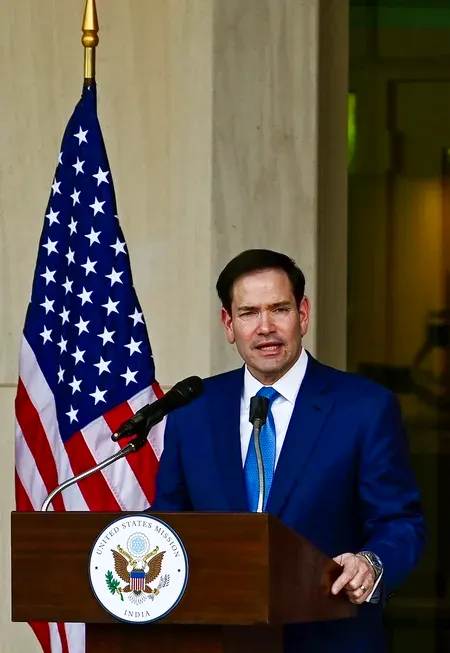
US Secretary of State Marco Rubio is set to tell members of the House Appropriations Subcommittee on National Security, Department of State, and Related Programs on Tuesday, 3 June 2025 that the Trump administration has fundamentally reoriented American foreign policy around domestic interests — defending sweeping cuts to foreign aid, a historic restructuring of the State Department, and a new budget framework built on the principle of 'America First'.
Core Argument: American Interests Above All
In prepared testimony reviewed ahead of the hearing, Rubio frames the administration's foreign policy doctrine as a return to first principles. 'Under President Trump, the purpose of American foreign policy is once again the defence of the American nation: our people, our homeland, our sovereignty, our civilisation, and our future,' he is expected to say.
Rubio also states: 'We believe that America should lead the world. But we believe that American leadership should always be on behalf of American interests.' The remarks signal a direct break from the multilateral, alliance-first posture that characterised previous administrations.
State Department Overhaul: 'Most Extensive in History'
A significant portion of the testimony is devoted to defending internal reforms at the State Department, which Rubio describes as the most extensive restructuring in the agency's history. 'We consolidated offices, eliminated redundant and cumbersome bureaucracy, streamlined our entire workforce, and empowered our regional bureaus to actually do their jobs,' he says. 'We restored discipline and unity and mission.'
The restructuring has been controversial, with critics arguing that workforce reductions have hollowed out institutional expertise. The testimony does not address those concerns directly.
Foreign Aid Transformed: 'Trade Over Aid'
Rubio's prepared remarks take direct aim at the previous model of foreign assistance, arguing that programmes failing to advance American interests have been terminated. 'We transformed the way we do foreign aid,' he says. 'Foreign aid, properly understood, is a valuable tool — a key instrument of statecraft. But every dollar of our assistance must make America safer, stronger, or more prosperous.'
The administration's new framework, according to the testimony, prioritises 'trade over aid, investment over dependency, and mutually beneficial partnership over permanent patronage.' This framing represents a sharp departure from development-focused aid models championed by the US Agency for International Development (USAID) for decades.
Budget Priorities: Health, Minerals, Security
The budget request before the subcommittee supports a new 'America First Global Health Strategy' and the 'America First Opportunity Fund', which Rubio says would finance strategic investments, secure critical minerals, strengthen supply chains, and boost American competitiveness in emerging industries.
The proposal also calls for what Rubio describes as a 'historic investment in diplomatic security' and allocates resources to 'disrupt and dismantle transnational drug trafficking networks'. Notably, the testimony explicitly links foreign policy to domestic concerns — border security, energy independence, and industrial capacity. 'A country that cannot build ships, produce medicine, control immigration, or access vital resources cannot defend its people, its interests, or its way of life,' Rubio argues.
What Comes Next
Tuesday's hearing is a key test of whether the administration can secure congressional backing for its foreign policy and budget priorities ahead of the next fiscal year. Lawmakers on both sides of the aisle are expected to question the scale of aid cuts and the implications for US alliances. The outcome of the subcommittee deliberations will shape the State Department's operational capacity through the coming year.
Point of View
But it sidesteps a harder question: which US allies, development partners, and regional stabilisation efforts have already been quietly wound down, and at what strategic cost? The State Department restructuring may have cut bureaucracy, but career diplomats and foreign policy analysts have warned it has also cut institutional memory. Congress will need to press on specifics — not just the philosophy — if it is to exercise meaningful oversight over what is, by the administration's own admission, the most sweeping foreign policy overhaul in a generation.
NationPress
20 Sept 2026
Frequently Asked Questions
What is Marco Rubio testifying about before Congress?
Rubio is presenting the Trump administration's State Department budget request before the House Appropriations Subcommittee on 3 June 2025, defending the administration's 'America First' foreign policy doctrine, sweeping foreign aid cuts, and major internal restructuring of the State Department.
What changes has the Trump administration made to US foreign aid?
The administration has terminated foreign assistance programmes it deemed not aligned with American interests, and placed remaining aid under closer State Department supervision. The new framework prioritises 'trade over aid, investment over dependency, and mutually beneficial partnership over permanent patronage.'
What is the 'America First Opportunity Fund'?
It is a proposed fund within the State Department budget request that Rubio says would finance strategic investments, secure access to critical minerals, strengthen supply chains, and boost US competitiveness in emerging industries.
How has the State Department been restructured under Trump?
Rubio describes it as the most extensive restructuring in the agency's history, involving consolidation of offices, elimination of what he calls redundant bureaucracy, workforce streamlining, and greater authority given to regional bureaus.
Why does the testimony connect foreign policy to border security and energy?
Rubio argues that foreign policy can no longer be separated from economic security, border security, energy policy, and industrial competitiveness, stating that a country unable to build ships, produce medicine, or access vital resources cannot defend itself or its interests.