White House Reaffirms Faith, Liberty, Freedom as America's Core
Synopsis
The White House posted a brief but pointed message on November 4, 2026, invoking faith, liberty, and freedom as America's founding principles and declaring an unwavering commitment to defending them — classic Executive Office rhetoric that carries weight ahead of potential commemorative events.
Key Takeaways
The White House posted on November 4, 2026 , invoking three founding principles: faith, liberty, and freedom .
The message pledged that the administration 'will never stop fighting' to preserve these values.
The language mirrors the vocabulary of the Declaration of Independence and the U.S.
White House communications have historically tied such rhetoric to commemorative periods, national holidays, or major policy announcements.
The post is addressed broadly to U.S. citizens , invoking 'generations of patriots' as a bridge between history and present governance.
Three words. Three centuries of sacrifice behind them. The White House posted a pointed reminder on Wednesday, November 4, 2026, invoking the founding principles of the United States — faith, liberty, and freedom — and pledging that the battle to preserve them is far from over.
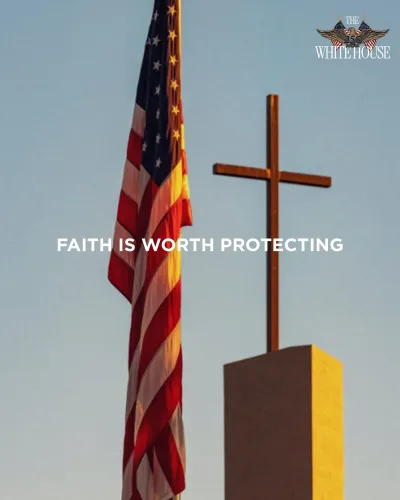
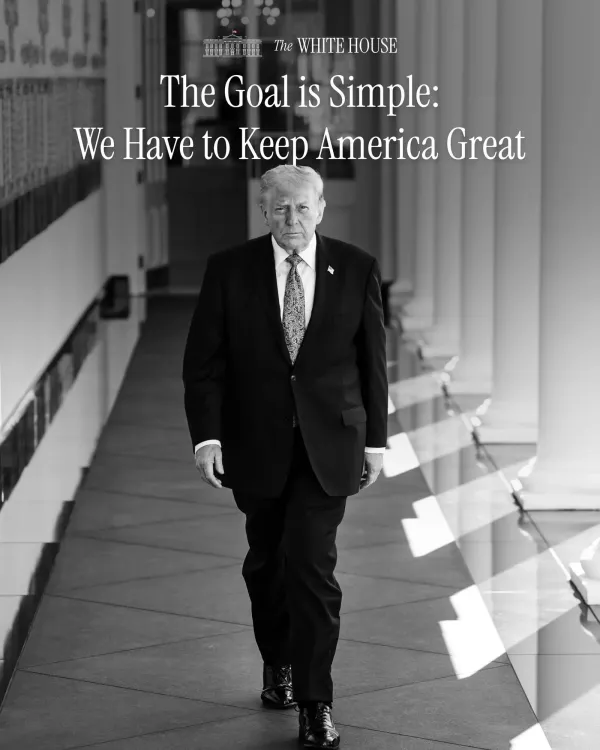
The post reads in full: 'Faith. Liberty. Freedom. The principles that founded this nation and generations of patriots fought to defend. We will never stop fighting to preserve them.' Short, declarative, and deliberate — it is the kind of rhetorical shorthand that carries enormous weight in American political culture, where appeals to founding ideals cut across partisan lines and reach directly into the country's civic identity.
A language as old as the republic itself
The triad of faith, liberty, and freedom is not incidental phrasing. It echoes the vocabulary of the Declaration of Independence and the Constitution — documents that White House communications have consistently cited across administrations as the moral foundation of American governance. When the Executive Office invokes 'generations of patriots,' it draws a direct line from the founding era through every military engagement, civil rights struggle, and democratic test the country has faced.
This style of messaging tends to spike around commemorative periods — veterans' observances, national anniversaries, election seasons — moments when official communication seeks to anchor present-day politics in historical continuity. The language of 'we will never stop fighting' transforms a ceremonial sentiment into an active, forward-looking declaration of intent.
Why it lands differently each time it is said
The power of this kind of statement lies precisely in its ambiguity. 'Fighting to preserve' founding principles can mean different things to different Americans — defending constitutional rights, protecting religious freedoms, or resisting what different political movements frame as threats to democratic order. The White House's use of the phrase is broad enough to be unifying, yet specific enough to signal resolve to its core audience.
For observers watching the rhythm of official U.S. communications, posts like this one are rarely isolated. They typically precede or follow a larger policy address, a commemorative event, or a moment of national significance — worth watching for what comes next from the Executive Office.
The republic's founding words still do heavy lifting, two and a half centuries on — and the White House knows exactly when to let them speak.
Point of View
Liberty, and freedom fits a well-established pattern of Executive Office messaging that anchors current political identity in founding documents — a rhetorical strategy that has proven durable across administrations precisely because it transcends specific policy debates. Coming in early November 2026, the timing invites scrutiny: such language typically precedes or accompanies a larger national moment, whether a veterans' observance, a policy rollout, or an electoral milestone. The deliberate brevity of the post is itself a signal — three nouns, no qualifiers, maximum resonance — suggesting a communications team that is priming an audience rather than concluding one. Analysts watching U.S. domestic politics will note that appeals to 'preserving' founding principles carry different operational meanings for different constituencies, making this simultaneously a unifying and mobilising message.
NationPress
5 Nov 2026
Frequently Asked Questions
What did the White House post on November 4 2026?
The White House posted a brief statement on November 4, 2026, declaring faith, liberty, and freedom as the founding principles of the United States and pledging that it will 'never stop fighting' to preserve them.
What do faith liberty and freedom mean in US political context?
In U.S. political discourse, faith, liberty, and freedom are founding-era values drawn from the Declaration of Independence and the Constitution. They are frequently invoked by the Executive Office to connect current governance to the country's historical identity.
Why does the White House use founding principles in its messages?
White House communications regularly invoke founding principles as a rhetorical device to reinforce national unity, signal resolve, and frame current policies within America's historical continuity — a strategy used across multiple administrations.
Is the White House November 2026 post linked to a specific event?
No specific event was identified in the post itself. However, such messaging from the White House typically aligns with commemorative periods, national holidays, or significant political moments, making follow-up statements worth watching.
What is the significance of the phrase 'generations of patriots' in the White House post?
The phrase 'generations of patriots' draws a historical line from America's founders through its military veterans and civil rights figures, framing the current administration as a continuation of that legacy of defending core national values.