Trump admits Iran war hurt Republicans at polls, defends decision
Synopsis
Trump broke from political spin on Wednesday, openly conceding the Iran war cost Republicans at the polls and drove petrol prices up — then said he'd do it all over again. With the midterms settled and the conflict still ongoing, the admission sets up a defining tension between Trump's national security calculus and the electoral damage his own party absorbed.
Key Takeaways
President Trump on 5 November acknowledged the Iran war 'largely' contributed to Republican losses in Tuesday's US midterm elections .
Trump linked the setbacks to a rise in petrol prices caused by the conflict.
Despite the political cost, Trump said: 'If I had it to do again, I'd have to do it again,' citing Iran's nuclear threat.
Trump claimed US strikes severely damaged Iran's Navy , Air Force , and air defences, and that Strait of Hormuz oil flows have recovered — without providing supporting data.
Vance had posted a lengthy assessment linking the war to Republican losses; Trump said he approved of the post, calling it 'good.' Trump said he held around 30 rallies but acknowledged his personal popularity did not transfer to Republican candidates: 'We weren't able to transfer the love.'
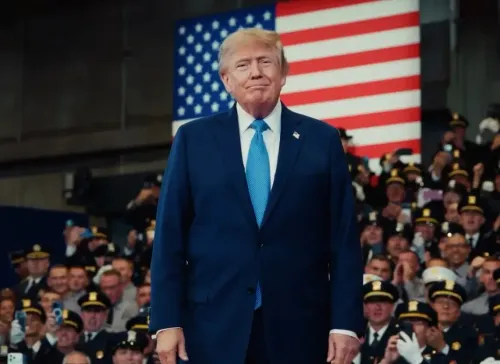
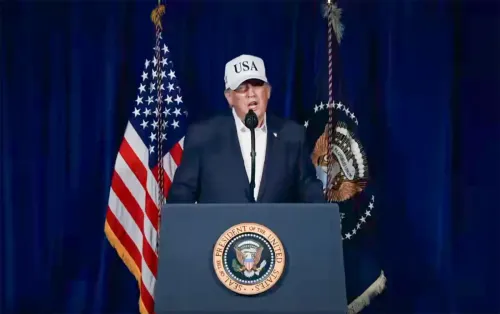
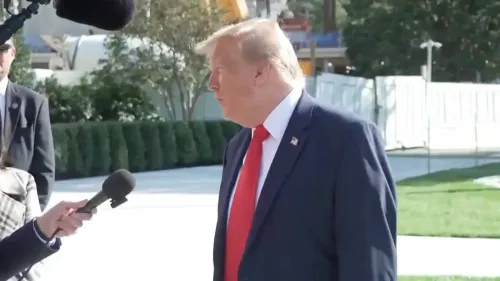
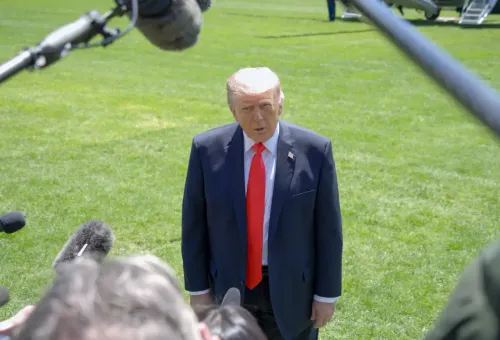
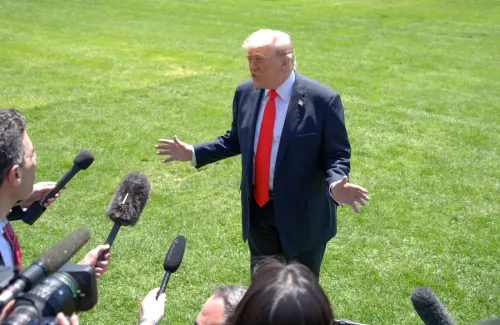
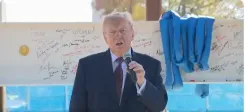
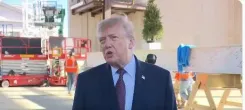
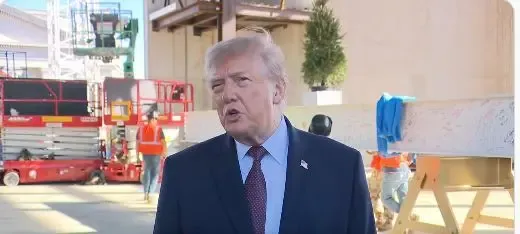
US President Donald Trump on Wednesday, 5 November acknowledged that the ongoing war with Iran contributed to Republican setbacks in Tuesday's midterm elections, linking the party's losses to a spike in petrol prices — but insisted he would authorise the same military action again. The remarks were made at a ceremony marking construction progress on the White House ballroom, where Trump fielded an extended round of questions from reporters.
Trump's Admission on the Electoral Cost
'I think it's largely true,' Trump said when asked whether the Iran conflict had damaged Republican candidates at the polls. He acknowledged that the war had driven petrol prices higher in the short term, a pressure voters appear to have reflected in their choices. Despite this, Trump was unequivocal in defending the decision. 'If I had it to do again, I'd have to do it again,' he said, citing the imperative of preventing Iran from acquiring nuclear weapons.
Pressed on whether the conflict had been worth its political cost, Trump answered simply: 'I do, yeah.' He added that he had anticipated an even steeper rise in oil prices than ultimately materialised.
Military Outcomes and Strait of Hormuz Claims
Trump asserted that US operations had severely degraded Iranian military capabilities, including its Navy, Air Force, and air defence systems. He also claimed that oil shipments through the Strait of Hormuz had recovered and were now moving at higher volumes than before the war began, though no supporting figures were offered during the exchange. Critics and independent analysts have yet to corroborate those specific claims.
Vance's Post and Internal Party Reckoning
Trump was also asked about a lengthy post by Vice-President J.D. Vance that reportedly linked the war to Republican electoral losses. Trump said he had been aware of Vance's thinking, approved of the post, and called it 'good.' 'I knew the war was going to impact it,' Trump added, indicating the White House had anticipated some political fallout before election day.
On Campaign Performance and Future Cooperation
Responding to questions about whether his roughly 30 campaign rallies had delivered results, Trump rejected any suggestion of personal failure. 'If I were on the ballot, we would have won,' he said, pointing to large rally crowds. He acknowledged, however, that his personal popularity had not translated cleanly to down-ballot candidates. 'We weren't able to transfer the love to candidates,' he said.
On the question of post-election governance, Trump said he expected to work with Democrats provided they did not take what he described as a 'destructive approach', noting that some Democratic lawmakers had already reached out. He also dismissed the prospect of an impeachment effort, suggesting it would backfire on the opposing party. Trump gave no firm timeline for the end of the Iran conflict, saying only: 'It's got to be done right.'
Point of View
And signals that the internal Republican reckoning over the Iran conflict is more serious than the White House has let on. The claim that Strait of Hormuz oil flows have surpassed pre-war levels is unverified and deserves scrutiny; it appears designed to reframe the economic narrative before it hardens against him. The 'we couldn't transfer the love' line is the more telling admission — it suggests Trump's coalition is personal rather than partisan, a structural vulnerability that the Iran war has now exposed at scale. Whether Republicans in Congress internalise that lesson before the next cycle is the real post-midterm story.
NationPress
5 Nov 2026
Frequently Asked Questions
Did Trump admit the Iran war hurt Republicans in the 2026 midterms?
Yes. Trump told reporters on 5 November that the Iran conflict had 'largely' contributed to Republican losses in Tuesday's midterm elections, citing a rise in petrol prices as the primary mechanism. He nonetheless defended the military action as a national security necessity.
Why does Trump say he would authorise the Iran war again despite the political cost?
Trump argued that preventing Iran from acquiring nuclear weapons overrides electoral considerations. 'If I had it to do again, I'd have to do it again,' he said, framing the operation as a national security imperative rather than a political choice.
What did Vice-President J.D. Vance say about the election results?
Vance reportedly published a lengthy post linking the Iran war to the Republican Party's midterm performance. Trump said he had been aware of Vance's thinking before the post went up, approved of it, and called it 'good.'
What claims did Trump make about the military outcome in Iran?
Trump asserted that US operations had severely damaged Iran's Navy, Air Force, and air defence systems, and that oil shipments through the Strait of Hormuz had recovered to above pre-war levels. No supporting figures were provided during the exchange, and the claims have not been independently verified.
What are US midterm elections and why do they matter?
US midterm elections are held halfway through a president's four-year term. All seats in the House of Representatives and roughly one-third of Senate seats are contested, alongside numerous state and local offices. The results directly affect a president's ability to pass legislation and are widely read as a referendum on the administration in power.