Trump signals further Iran military action possible, eyes election cost
Synopsis
Trump has left the door open to fresh strikes on Iran — while openly admitting the war carries a political price for Republicans in upcoming congressional elections. With no timetable announced and the UN warning that the Strait of Hormuz is already hitting family budgets worldwide, the conflict is simultaneously a military, diplomatic, and electoral crisis playing out in real time.
Key Takeaways
President Donald Trump signalled on 23 October 2026 that further military action against Iran remained possible, without specifying targets or a timetable.
Trump acknowledged the war could carry a political cost for Republicans in the approaching congressional elections, while defending it as necessary to prevent Iran from obtaining a nuclear weapon.
Trump said: ‘We’ve knocked the hell out of them, and we may do it a little bit further.’ UN Secretary-General Antnio Guterres warned in New York that the conflict was transmitting economic shocks through energy markets, shipping lanes, and supply chains globally.
Guterres announced he would travel to Egypt on Friday , citing Cairo as a mediator, but reported no breakthrough in US-Iran negotiations.
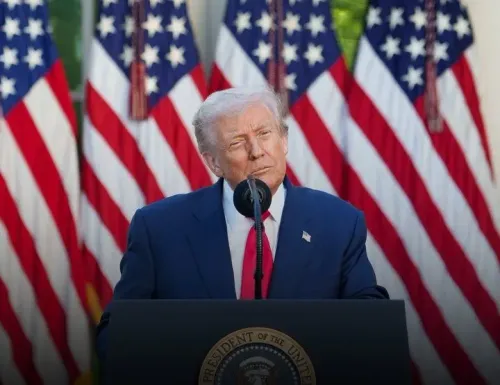
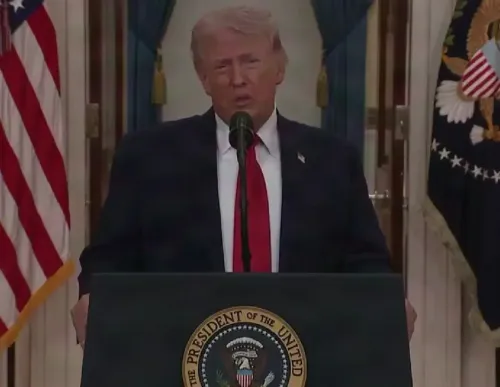
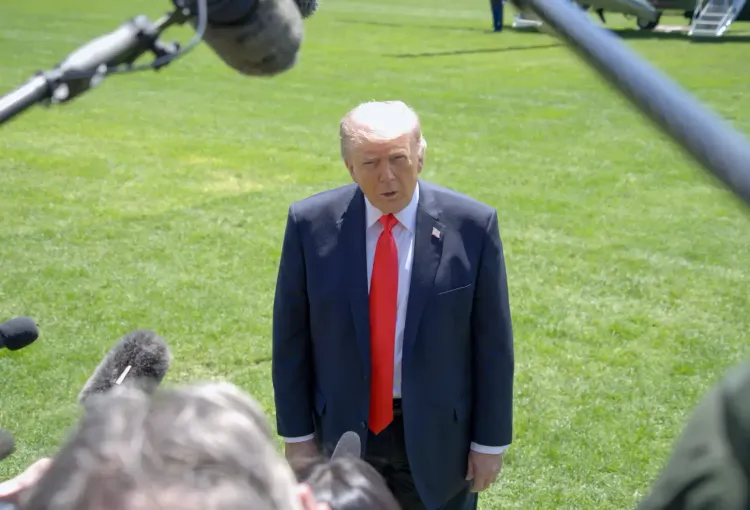
US President Donald Trump on 23 October 2026 suggested that additional military strikes against Iran remained a live option, while simultaneously acknowledging that the ongoing war risked hurting Republican prospects in the approaching congressional elections. The remarks, made before his departure from Washington, offered no confirmed timetable, target list, or operational detail — but marked the clearest indication yet that the conflict may not be winding down.
What Trump Said
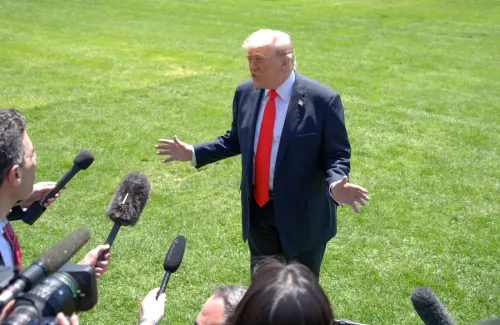
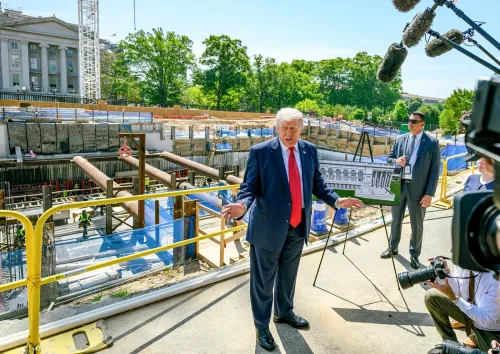
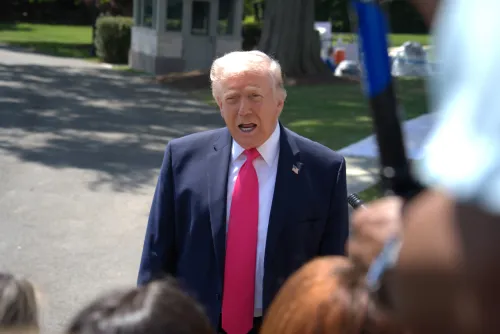
Speaking to reporters on the tarmac, Trump defended the military campaign as an unavoidable move to prevent Tehran from acquiring a nuclear weapon. “We can’t let Iran have a nuclear weapon,” he said, framing the decision as one his predecessors had failed to take.
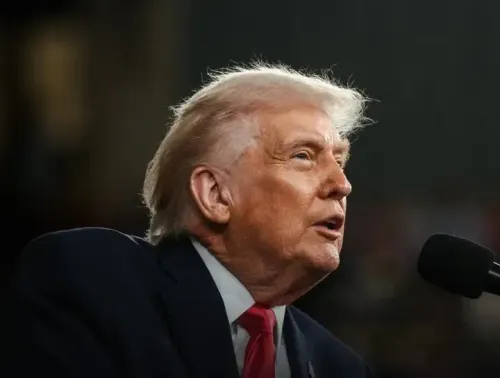
On the question of further strikes, Trump said: “The Iran War, and we’ve knocked the hell out of them, and we may do it a little bit further.” He did not specify targets, order a new operation, or provide supporting military figures to back his assessment of damage inflicted on Iran.
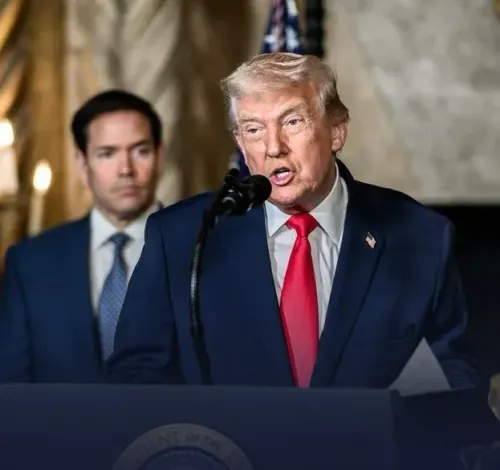
Trump also acknowledged the domestic political tension around the war. “Well in one way, they love it because I’m doing what should have been done by other presidents, and another way maybe they don’t,” he said, adding that Republican electoral fortunes would hinge largely on whether his supporters turned out to vote.
The Electoral Dimension
Trump’s linking of the war to domestic politics is notable. By openly conceding that the campaign carries “a price to pay,” he signalled awareness of a public divided on the intervention — even as he argued that “many great patriots really love it.” This comes amid growing Republican anxiety about battleground-state polling ahead of the congressional elections, where foreign military entanglements have historically cut both ways.
UN Chief Warns of Global Economic Spillover
The remarks coincided with a sharp warning from UN Secretary-General Antnio Guterres in New York that widening conflicts were transmitting economic shocks well beyond their immediate theatres. Guterres identified energy markets, shipping lanes, supply chains, and financial systems as the transmission channels.
“The distance from the Strait of Hormuz to a family home or village market is shorter than we think,” Guterres said. He called for an immediate halt to hostilities, protection of civilians, and a renewed commitment to diplomacy. He also announced plans to travel to Egypt on Friday, describing Cairo as one of the mediators in the US-Iran conflict, though he stopped short of announcing any negotiating breakthrough or direct talks between American and Iranian representatives.
Where Things Stand
Taken together, the two sets of remarks from Washington and New York offered no confirmed path toward ending the conflict. Trump left open the possibility of further military action while the UN chief stressed diplomacy and the humanitarian and economic costs borne by civilians and developing economies. The Strait of Hormuz — through which a significant share of global oil shipments pass — remains a focal point of concern for energy markets worldwide.
Point of View
The UN chief’s Hormuz warning is not rhetorical: a sustained US-Iran conflict in the Gulf would push energy prices higher globally, and India — a major crude importer — sits squarely in the blast radius of any sustained shipping disruption. Mainstream coverage is focusing on the political horse-race; the commodity and supply-chain consequences for emerging markets deserve equal attention.
NationPress
23 Oct 2026
Frequently Asked Questions
Did Trump announce new military strikes on Iran?
No. Trump signalled that further action remained possible but did not announce a new operation, identify targets, or provide a timetable. His statement — ‘we may do it a little bit further’ — was an indication of intent, not an order.
Why did Trump say the Iran war could hurt Republicans?
Trump acknowledged publicly that American opinion on the conflict is divided, saying voters ‘in one way love it’ but ‘in another way maybe they don’t.’ He said there was ‘a price to pay’ but defended the campaign as necessary to prevent Iran from acquiring a nuclear weapon.
What did UN Secretary-General Guterres say about the conflict?
Guterres warned in New York that widening conflicts were transmitting economic shocks through energy markets, shipping lanes, supply chains, and financial systems globally. He specifically referenced the Strait of Hormuz and called for fighting to stop and diplomacy to be given space.
Why is Egypt relevant to the US-Iran conflict?
Guterres described Egypt as one of the mediators between the United States and Iran when explaining his planned visit to Cairo on Friday. He did not announce any direct talks between American and Iranian representatives or a negotiating breakthrough.
What is the broader global impact of the US-Iran war?
According to the UN Secretary-General, the conflict is affecting energy markets, shipping routes, and supply chains far beyond the two countries directly involved. The Strait of Hormuz — a critical chokepoint for global oil shipments — is at the centre of these concerns.