Trump refuses to rule out fresh Iran strikes before US midterms
Synopsis
Trump's refusal to rule out fresh Iran strikes before the midterms — combined with his claim that the US is 'always thinking about it' — keeps a war premium baked into global oil markets. With Iran's foreign minister invoking a 'doomsday war' scenario and Trump dismissing Tehran's latest deal offer as a year too late, the gap between the two sides remains wide even as both claim to want a settlement.
Key Takeaways
President Trump refused to rule out renewed US military strikes on Iran before the midterm elections, saying 'I am always thinking about it.' Trump predicted the conflict would end 'very soon' and that oil prices would fall 'way down' once it did.
Trump claimed a record volume of oil moved through the Strait of Hormuz the previous night.
He said Iran's latest negotiating proposal did not meet US demands: 'They overplayed their hand.' Iranian President Masoud Pezeshkian said Tehran was open to nuclear talks and inspector access but sought guarantees against regime-change efforts.
Foreign Minister Abbas Araghchi warned Iran was 'fully prepared' for resumed fighting, including a 'doomsday war' , while also calling for diplomacy.
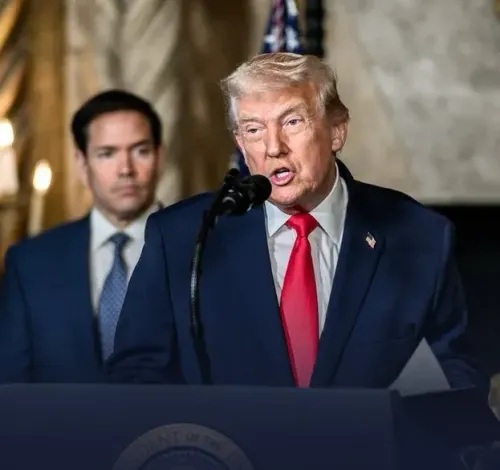
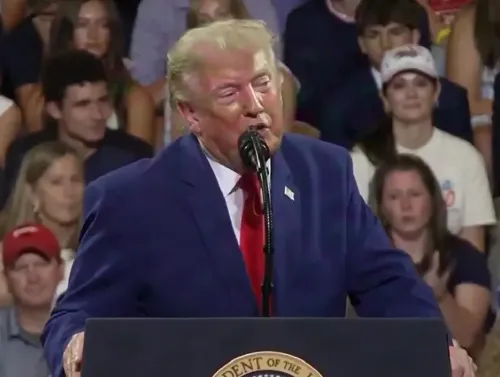
US President Donald Trump on Sunday, 28 September 2026 refused to rule out renewed American military strikes against Iran before the upcoming midterm elections, while simultaneously predicting the conflict would end soon and that global oil prices would fall sharply once it did. The remarks, made across separate appearances on Fox News, Axios, and at the PGA Tour Presidents Cup, drew immediate responses from senior Iranian officials who warned they were ready for resumed fighting even as they kept the door open to diplomacy.
What Trump Said on Fresh Strikes
When a Fox News interviewer asked whether US military strikes could return before the midterms, Trump declined to give a direct denial. 'I don't want to say that. I mean, it's possible, but I just don't want to say that,' he said. Asked separately whether he was considering resuming strikes, he added: 'I am always thinking about it.'
Trump framed Washington's current posture as a dual campaign — military pressure combined with Operation Economic Outcast, an economic isolation strategy targeting Tehran. 'I think we'll win it both ways. We've already won it really from a military standpoint,' he said, while making clear military operations had not been wound down. 'But that doesn't mean we've stopped that,' he added.
Oil Prices and the Strait of Hormuz
Trump linked a swift end to the conflict directly to a steep fall in international oil prices. 'As soon as Iran gives up, as soon as the war is over, which will be soon, oil is going to come plummeting down,' he told reporters at the White House before departing for Illinois. He repeated the forecast at the Presidents Cup: 'The oil will go down, way down to what it was before the war.'
The President also claimed a record volume of petroleum had moved through the Strait of Hormuz the previous night. 'Last night we took a record amount of oil out from the strait, more than we took out before the war,' he said. The Strait of Hormuz is one of the world's most critical energy chokepoints, carrying a significant share of global petroleum and liquefied natural gas shipments; any sustained disruption ripples through energy prices, freight rates, and insurance costs across Asia and beyond.
Trump on Negotiations — and Tehran's Overreach
Trump indicated he expected further negotiations with Iran during the week but said Iran's latest proposal fell short of Washington's requirements. 'They want to make a deal, but it is not the deal that I want to make,' he said in a telephone interview cited by Fox News. 'It is what we would have maybe agreed to a year ago. They overplayed their hand.'
He also insisted Iran's economy and military had been severely degraded. 'If you look at their economy, it's gone. They have no economy,' he said. His core red line remains unchanged: 'The key is, Iran will not have a nuclear weapon.'
Iran's Response: Dialogue and a Doomsday Warning
Iranian President Masoud Pezeshkian told CBS News' Face the Nation that Tehran remained engaged in dialogue and was prepared to discuss limits on its nuclear programme. 'We're still talking, we're still engaging in dialogue, and we're making our demands within the framework of international law,' he said. Pezeshkian added that Iran was willing to negotiate access for international nuclear inspectors but wanted firm assurances that Washington was not pursuing regime change. 'We don't want to fight, but certainly if they strike us, we will defend ourselves,' he said.
Iranian Foreign Minister Abbas Araghchi struck a sharper tone. 'We are fully prepared for the war to be resumed. We stand firm in the face of any new aggression, even if it comes to a doomsday war,' he warned, before adding that Tehran remained open to a diplomatic path. 'It is up to President Trump to choose,' Araghchi said.
Why This Matters Beyond the US-Iran Bilateral
The ambiguity in Trump's language — neither confirming nor denying imminent strikes — sustains a risk premium in global energy markets at a time when the Strait of Hormuz remains a flashpoint. Notably, Trump's domestic political calendar is now openly part of his public framing of the conflict, raising questions about how midterm considerations might shape military decision-making. With both sides publicly signalling willingness to fight while also claiming openness to talks, the risk of miscalculation remains elevated. The coming week's negotiations, if they materialise, will be closely watched by energy-importing nations across Asia, including India, which remains significantly exposed to Middle East supply disruptions.
Point of View
But the distinction matters less to oil markets than to diplomats. By publicly tying the conflict's timeline to the midterm calendar, he has introduced a domestic political variable into a geopolitical equation that already carries enormous stakes for energy-importing nations. Tehran's dual-track response — Pezeshkian's measured diplomatic language versus Araghchi's 'doomsday war' framing — mirrors Washington's own good cop–bad cop dynamic, suggesting both sides are still positioning rather than genuinely de-escalating. The danger is that two maximalist negotiating stances, each publicly staked, leave little room for the face-saving compromise that any deal ultimately requires.
NationPress
28 Sept 2026
Frequently Asked Questions
Did Trump say he would strike Iran again before the US midterms?
Trump did not confirm or deny it, saying 'I don't want to say that. I mean, it's possible, but I just don't want to say that.' Asked separately if he was considering resuming strikes, he said 'I am always thinking about it.'
What is Operation Economic Outcast?
Operation Economic Outcast is the name Trump used for the US-led economic isolation campaign targeting Iran, running alongside military pressure. Trump described it as a dual strategy to force Tehran to capitulate on its nuclear programme.
What did Iranian President Pezeshkian say about nuclear talks?
Pezeshkian said Iran was still engaged in dialogue and prepared to discuss limits on its nuclear programme, including access for international nuclear inspectors. However, he said Tehran required guarantees that Washington was not pursuing a change of government in Iran.
Why did Trump dismiss Iran's latest deal offer?
Trump said Tehran's proposal was not the deal he was willing to accept, describing it as one Washington 'would have maybe agreed to a year ago.' He argued Iran had 'overplayed their hand' and that its economy and military had been severely weakened.
Why does the Strait of Hormuz matter to global energy markets?
The Strait of Hormuz is one of the world's most critical energy chokepoints, carrying a significant share of global petroleum and liquefied natural gas shipments. Any prolonged disruption raises energy prices, freight charges, and insurance costs globally, with major knock-on effects for Asian importers including India.