Trump threatens fresh Iran strikes if no deal, cites Operation Epic Fury
Synopsis
Trump isn’t just claiming victory over Iran — he’s threatening an encore. At a Florida rally, the US President warned of a repeat military strike if Tehran refuses a deal, while offering no timetable, no negotiating framework, and no specific conditions. The dual-track posture — celebrating Iran’s defeat while keeping the strike option live — defines an unusually open-ended moment in one of the world’s most volatile standoffs.
Key Takeaways
President Trump warned on 24 October 2026 that the US could launch fresh strikes on Iran if Tehran does not reach a diplomatic agreement.
Trump cited Operation Midnight Hammer and Operation Epic Fury as having destroyed Iran’s nuclear enrichment capacity.
He claimed Iran was facing severe inflation and financial hardship due to US military and economic pressure.
Trump linked the campaign to a US Navy blockade around the Strait of Hormuz , while claiming oil shipments through the waterway had increased.
No formal negotiating conditions, timetable, or framework for a deal were disclosed publicly.
US President Donald Trump on 24 October 2026 warned that American forces could launch additional military strikes against Iran if Tehran fails to reach a diplomatic agreement with Washington, signalling that further military action remains firmly on the table even as he claimed Iran had already suffered a decisive defeat.
What Trump Said at Fort Myers
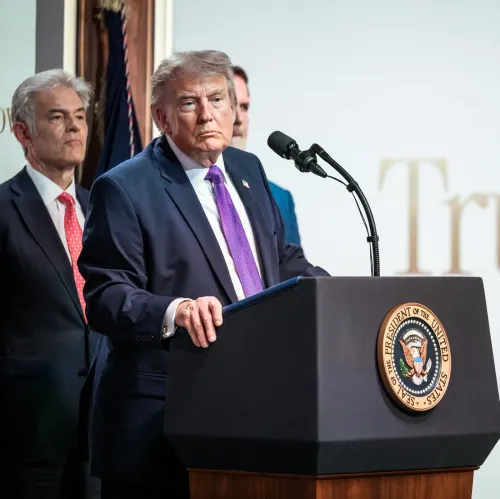
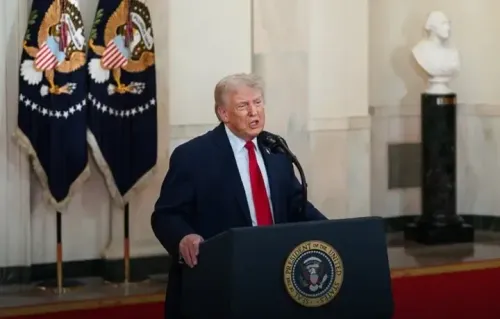
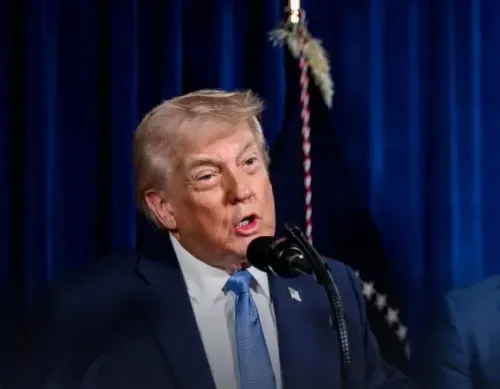
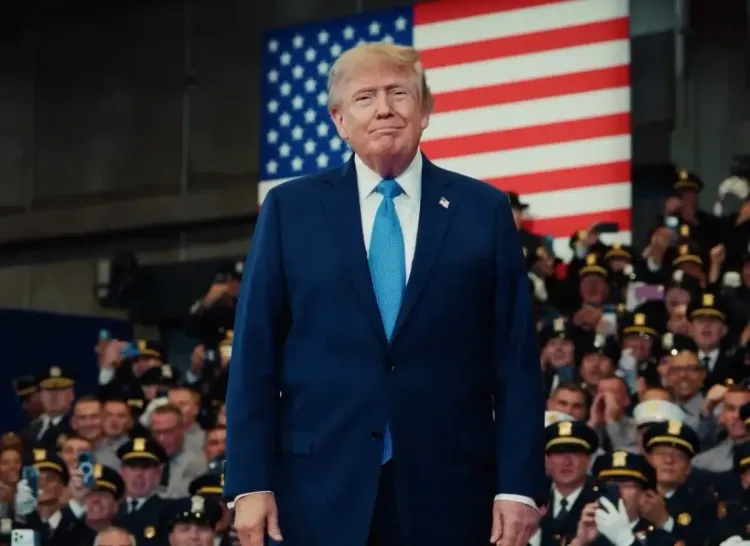
Speaking at a Republican campaign rally in Fort Myers, Florida, Trump suggested the United States could repeat elements of its recent military campaign if talks broke down. “We may do another little Epic Fury, or they’ll agree. If they’re smart, they’ll just say, let’s get down to business,” Trump told supporters.
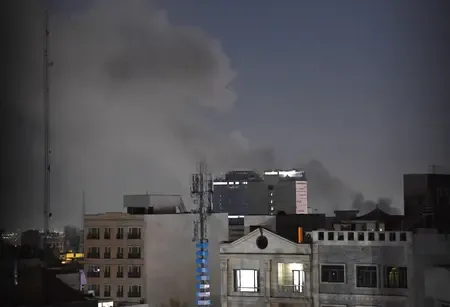
Trump referenced two American military operations — Operation Midnight Hammer and Operation Epic Fury — claiming they had destroyed Iran’s nuclear enrichment capabilities and severely weakened its military and economy. “We obliterated Iran’s nuclear enrichment capacity with Operation Midnight Hammer,” he said. He did not outline the specific conditions Tehran would need to meet to avoid another round of strikes.
The Nuclear Weapons Objective
Trump maintained that preventing Iran from acquiring nuclear weapons remained the overriding objective of American military operations, arguing that earlier administrations had failed to address the threat. “I had to attack Iran, or they would have had a nuclear weapon,” he said in a separate interview with Florida television station WINK-TV. He also defended the use of B-2 bombers in the campaign on similar grounds.
Notably, Trump did not provide a timetable for ending the conflict or specify whether formal negotiations were currently underway, leaving the diplomatic status ambiguous.
Economic Pressure and the Strait of Hormuz
At the Fort Myers rally, Trump described Iran as enduring severe inflation and financial difficulties as a result of American military and economic measures, arguing that Tehran was left with little choice but to reconsider its position.
He also linked the military campaign to American naval operations around the Strait of Hormuz, claiming the US Navy was enforcing a blockade against Iran while allowing other shipping to pass. Trump claimed that oil shipments through the strategic waterway had increased despite the ongoing conflict, though this assertion was not independently corroborated.
How the Conflict Could End
In his WINK-TV interview, Trump offered a measured but open-ended assessment. “I see it ending soon. I see it ending one way or another, through agreement or otherwise,” he said. His comments suggested that Washington was simultaneously pursuing diplomatic pressure and retaining the military option — a dual-track posture that leaves the path to resolution uncertain.
This comes amid broader US efforts to prevent nuclear proliferation in the Middle East, a goal that successive American administrations have pursued through a combination of sanctions, diplomacy, and, now under Trump, direct military force. With no formal negotiating framework publicly confirmed, the timeline and conditions for any agreement remain unclear.
Point of View
Precisely to maximise negotiating leverage. The absence of any disclosed conditions or timeline for a deal is not an oversight — it is the strategy. What mainstream coverage underplays is how structurally fragile this posture is: a US Navy presence around the Strait of Hormuz and unspecified strike threats create multiple flashpoints for miscalculation. Whether Iran’s reported economic distress is sufficient to force concessions — or whether it hardens domestic resistance to any agreement — is the question that will define the next phase of this standoff.
NationPress
24 Oct 2026
Frequently Asked Questions
Why is Trump threatening fresh military strikes on Iran?
Trump is warning of additional strikes to pressure Tehran into accepting a diplomatic agreement that would prevent Iran from developing nuclear weapons. He has framed military action as the consequence of Iran’s failure to negotiate, citing Operations Midnight Hammer and Epic Fury as evidence that the US is willing and capable of sustained military action.
What are Operation Midnight Hammer and Operation Epic Fury?
These are the names Trump used for two American military operations against Iran, which he claims destroyed Iran’s nuclear enrichment capabilities and severely weakened its military and economy. He referenced both operations at a campaign rally in Fort Myers, Florida, on 24 October 2026.
Has Iran agreed to any deal with the United States?
No agreement has been publicly confirmed. Trump did not disclose whether formal negotiations are currently underway, nor did he specify the conditions Iran would need to meet. He said he saw the conflict ‘ending soon’ but left the outcome open-ended.
What is the US position on the Strait of Hormuz?
Trump claimed the US Navy is enforcing a blockade against Iran around the Strait of Hormuz while allowing other shipping to pass. He also asserted that oil shipments through the strategic waterway had increased despite the conflict, though this was not independently verified.
What is Trump’s stated objective in the conflict with Iran?
Trump has stated that the overriding objective is to prevent Iran from acquiring nuclear weapons. He argued that earlier US administrations failed to address this threat and that he authorised military action to forestall Iran from reaching nuclear capability.