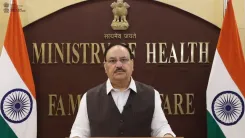
Pralhad Joshi backs new educational centres in Uttarakhand hills
Synopsis
Union Minister Pralhad Joshi has backed new educational centres in Uttarakhand's hilly regions, praising CM Pushkar Dhami's cooperation and reaffirming the Centre's commitment to quality, future-ready education for mountain youth under PM Modi's leadership.
Key Takeaways
Union Minister Pralhad Joshi responded to Uttarakhand CM Pushkar Dhami's remarks on October 24, 2026 , endorsing new educational centres in hilly areas.
Joshi stated the Central government is committed to strengthening education in all states , including Uttarakhand , and developing a future-aligned teaching environment.
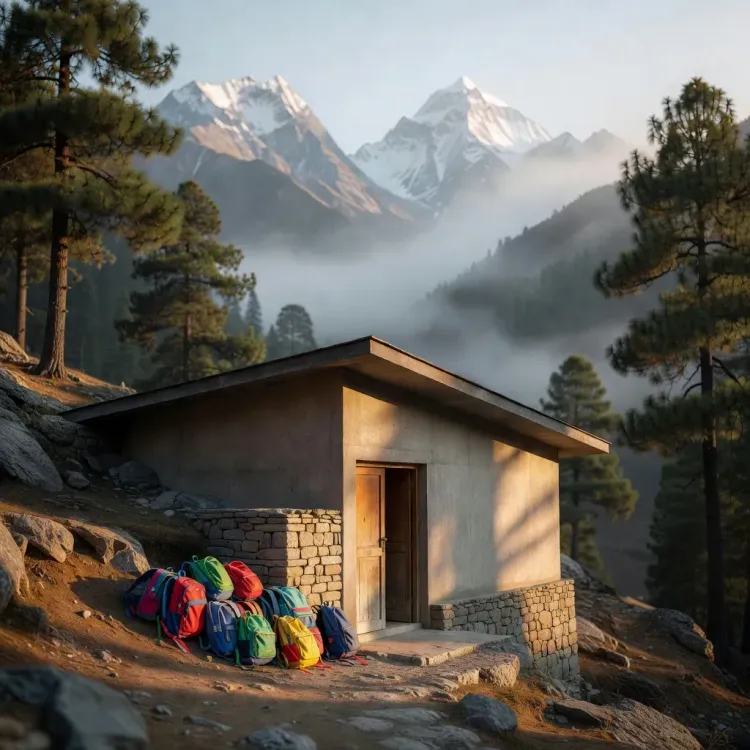
New learning centres in mountain regions are intended to serve as 'strong foundations for quality education,' bridging the geographic access gap.
The initiative aligns with the National Education Policy 2020 , which prioritises equity, skill development, and future-readiness in remote terrains.
Joshi specifically praised the Uttarakhand government's active cooperation as essential to the Centre's education push in the state.
New learning centres rising in the mountains of Uttarakhand have drawn a strong endorsement from Union Consumer Affairs Minister Pralhad Joshi, who on Saturday, October 24, 2026, pledged the Centre's commitment to building a future-ready education ecosystem across every state — with hilly terrain no longer an excuse for unequal access.
Responding to remarks by Uttarakhand Chief Minister Pushkar Singh Dhami, Minister Joshi wrote in Hindi: 'पहाड़ी क्षेत्रों में ये नए शैक्षणिक केंद्र गुणवत्तापूर्ण शिक्षा के मजबूत आधार बनेंगे' — 'These new educational centres in hilly areas will become strong foundations for quality education.' He added that the goal is to equip young people with the knowledge and skills to open doors to better opportunities.
Mountains, margins, and the education gap
For decades, Uttarakhand's rugged geography has made consistent schooling a logistical challenge. Villages spread across steep valleys often lack the infrastructure that plains-based districts take for granted — adequate classrooms, trained teachers, and reliable connectivity. The Centre has repeatedly flagged this geographic barrier in national education planning, and the National Education Policy 2020 explicitly emphasised equity, quality, and future-skills as pillars of reform — particularly for remote and difficult terrains. Minister Joshi credited Prime Minister Narendra Modi's 'visionary leadership' as the driving force behind the Centre's push to strengthen education in all states, including Uttarakhand. He specifically praised the Uttarakhand government's 'active cooperation' in advancing these goals — a nod to the Centre-state coordination that large infrastructure rollouts in hilly states depend on.What the new centres are meant to deliver
Joshi's post frames the new educational facilities as more than brick-and-mortar additions. The stated ambition is twofold: build a teaching environment aligned with future needs, and ensure young people have the resources to 'hone their talent, attain excellence, and build a bright future.' That language maps closely onto the NEP 2020 framework, which prioritises skill development, critical thinking, and vocational readiness alongside academic achievement. Uttarakhand has featured in multiple central programmes designed to address geographic barriers to schooling. The state's active participation in such initiatives — acknowledged by Joshi — signals that this round of centre development carries political as well as policy weight ahead of potential scheme announcements or budget allocations tied to the facilities. The real test will come in the execution: whether these centres receive sustained funding, qualified faculty willing to serve in remote postings, and the digital infrastructure to connect mountain classrooms to national opportunity. India's young people in the hills are watching — and waiting.Point of View
State execution below). The framing around hilly-terrain education gaps taps into a genuine and persistent policy challenge that NEP 2020 identified but has yet to fully resolve. By invoking future skills and youth opportunity, the statement positions the BJP's education narrative ahead of potential scheme announcements or state budget cycles in Uttarakhand. The real policy question — whether these centres will receive sustained funding and staffing in remote postings — remains unanswered by the post.
NationPress
24 Oct 2026
Frequently Asked Questions
What did Pralhad Joshi say about Uttarakhand education?
Minister Pralhad Joshi said the Central government is committed to building new educational centres in Uttarakhand's hilly areas to provide quality education and skill development for youth, praising CM Pushkar Dhami's cooperation.
What is the National Education Policy 2020 and how does it relate to hilly states?
The National Education Policy 2020 is India's framework for transforming school and higher education, with a specific emphasis on equity and quality for remote and difficult terrains like Uttarakhand's mountain districts.
Why is education in hilly areas of Uttarakhand a challenge?
Uttarakhand's steep and dispersed geography makes it difficult to provide consistent schooling infrastructure — adequate classrooms, trained teachers, and connectivity — creating an access gap compared to plains districts.
What is the Centre-state role in Uttarakhand's new educational centres?
The Central government sets policy direction and funding frameworks under initiatives like NEP 2020, while the Uttarakhand state government handles on-ground implementation and cooperation, as acknowledged by Minister Joshi.
What should we watch for next on Uttarakhand education development?
Progress reports on the specific new educational centres across Uttarakhand districts, along with any central scheme releases or state budget allocations linked to these facilities, will be the key indicators to track.