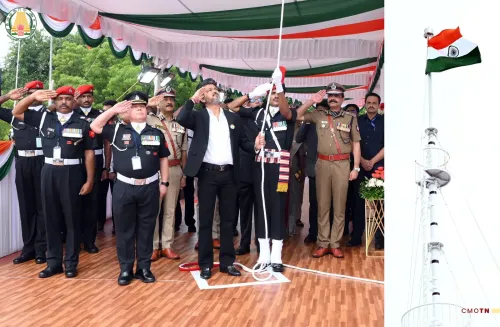
CM Tamil Nadu Honours Marudu Brothers on Martyrdom Day
Synopsis
On 24 October 2026, the Chief Minister's Office of Tamil Nadu paid tribute to Periya Marudhu and Chinna Marudhu, the 18th-century Sivaganga rulers executed by the British on this day in 1801, honouring their Jambutheevu Declaration as a pre-1857 call for national freedom.
Key Takeaways
Periya Marudhu and Chinna Marudhu were executed by British forces on 24 October 1801 , making 2026 their 225th martyrdom anniversary .
The brothers ruled the Sivagangai chieftaincy in present-day Tamil Nadu and led armed resistance as part of the Polygar rebellions.
The Jambutheevu Declaration of 1801 urged cross-community unity against British rule — issued more than 56 years before the 1857 revolt .
The Chief Minister's Office of Tamil Nadu issued the tribute on 24 October 2026 , tagged under #CMJosephVijay .
Tamil Nadu governments routinely commemorate regional anti-colonial figures to highlight southern India's role in the independence movement.
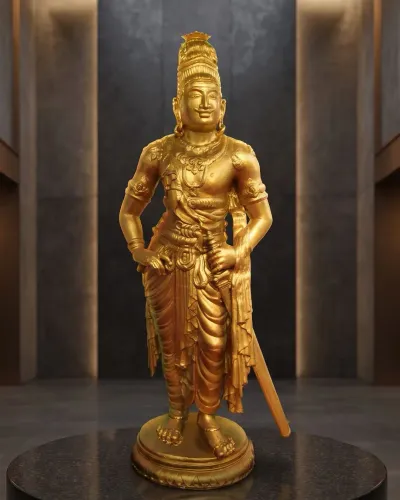
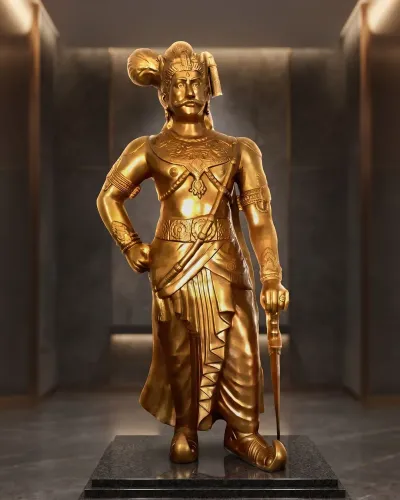
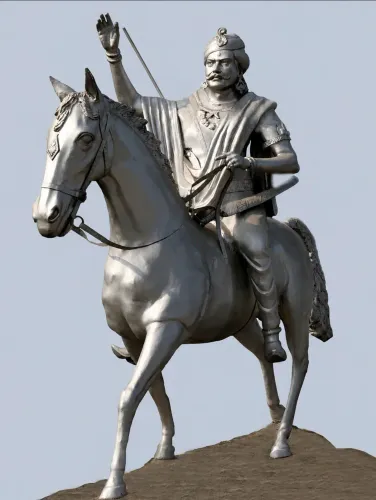
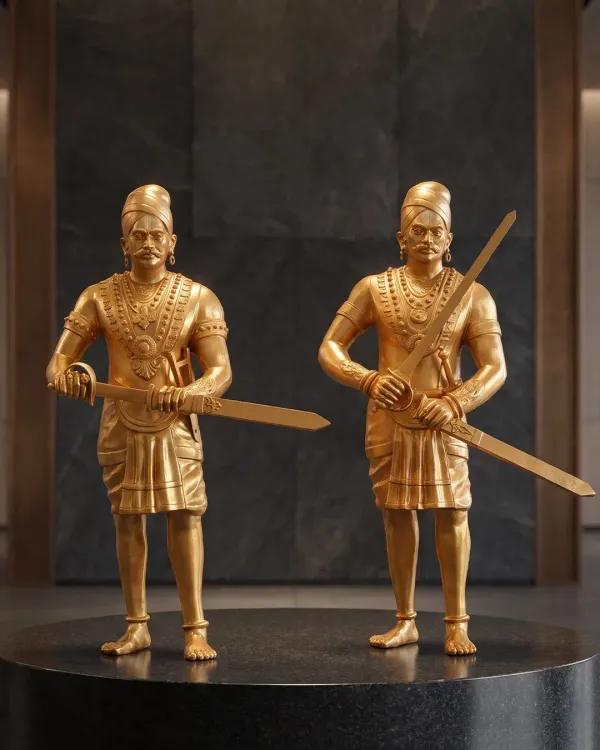
Two warriors who defied an empire — and paid with their lives — were remembered on Saturday, 24 October 2026, exactly 225 years after British forces executed them. The Chief Minister's Office of Tamil Nadu paid solemn tribute to Periya Marudhu and Chinna Marudhu, the brothers who ruled Sivaganga and led one of India's earliest organised armed revolts against colonial power.
The post, shared in Tamil, offered what it called a 'veeravanakkam' — a warrior's salute — to the brothers' 'unparalleled courage and immeasurable sacrifice.' It invoked the Jambutheevu Declaration of 1801, the proclamation the Marudu brothers issued urging every subject to unite against British domination — a call that rang out more than half a century before the more widely remembered uprising of 1857.
The rulers of Sivaganga who defied the East India Company
Periya Marudhu and Chinna Marudhu governed the Sivagangai chieftaincy in what is now southern Tamil Nadu. Their confrontation with the British East India Company placed them at the forefront of the Polygar rebellions — a series of uprisings by regional chiefs who refused to submit to colonial authority. When British forces finally crushed their resistance, both brothers were executed on 24 October 1801.
What made their stand historically distinctive was the Jambutheevu Declaration — a public proclamation that appealed across communities and regions for solidarity against British rule. Tamil Nadu's state narrative has long presented this declaration as evidence that the south had its own organised, ideological resistance movement well before the revolt of 1857 entered the national consciousness.
A deliberate act of historical memory by the Tamil Nadu government
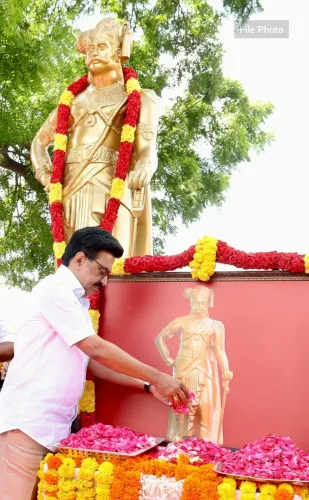
The tribute is not incidental. Tamil Nadu governments across administrations have consistently used the anniversaries of figures like the Marudu brothers to assert the region's foundational role in India's anti-colonial story — a story that, in mainstream national memory, often begins and centres in the north. These annual commemorations serve both as civic education and as a statement: Tamil resistance came early, ran deep, and deserves its place in the first chapter.
The post, tagged #CMJosephVijay, closes with a wish that the brothers' 'heroic history, which sowed the seeds of freedom in Tamil soil, endure across generations.' It is a sentiment the state government has anchored in policy too — through museum programmes, school curricula, and cultural events that mark 24 October as a day of regional reckoning with colonial history.
Two centuries on, the names of Periya Marudhu and Chinna Marudhu remain the sharpest answer Tamil Nadu offers to the question of who first raised their voice for Indian independence.
Point of View
State-level effort to recentre India's anti-colonial narrative — positioning southern resistance as foundational, not supplementary. By foregrounding the Jambutheevu Declaration as a pre-1857 freedom proclamation, the state makes an implicit argument about historical credit and regional identity. For the ruling dispensation, honouring such figures reinforces a Tamil cultural pride that has electoral and ideological currency. The consistency of these commemorations across governments signals that this historical framing enjoys broad political consensus in the state.
NationPress
24 Oct 2026
Frequently Asked Questions
Who were the Marudu brothers?
Periya Marudhu and Chinna Marudhu were brothers who ruled the Sivagangai chieftaincy in present-day Tamil Nadu. They led armed resistance against the British East India Company as part of the Polygar rebellions and were executed by British forces on 24 October 1801 .
What is the Jambutheevu Declaration?
The Jambutheevu Declaration was a 1801 proclamation attributed to the Marudu brothers calling for unity across communities to resist British colonial rule. It is widely regarded as one of India's earliest organised calls for freedom, predating the 1857 revolt by over five decades.
Why is 24 October significant in Tamil history?
24 October 1801 is the date on which Periya Marudhu and Chinna Marudhu were executed by British forces after the suppression of the Polygar rebellions. The date is observed annually in Tamil Nadu as the brothers' martyrdom anniversary.
What did the Chief Minister's Office of Tamil Nadu post on 24 October 2026?
The Chief Minister's Office of Tamil Nadu shared a tribute in Tamil honouring the Marudu brothers' courage and sacrifice on their martyrdom anniversary, invoking the Jambutheevu Declaration and expressing a 'veeravanakkam' — a warrior's salute — to their legacy.
Where is Sivaganga and what is its historical significance?
Sivaganga is a district in present-day Tamil Nadu . Historically it was a chieftaincy whose rulers, including the Marudu brothers, fiercely resisted British annexation, making it a significant site in the story of India's pre-modern anti-colonial resistance.