Tamil Nadu schools ordered to inspect buildings, fix hazards as monsoon intensifies
Synopsis
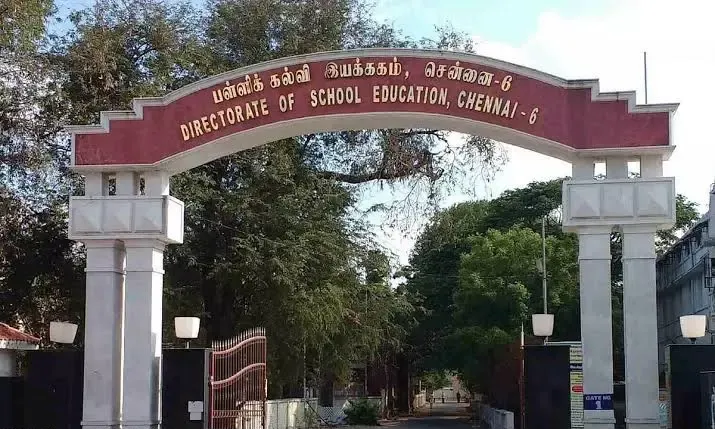
With the northeast monsoon intensifying, Tamil Nadu's school education department has issued an urgent circular ordering inspections of roofs, walls, water tanks, and construction sites across campuses — and flagging ageing buildings for demolition. The directive places direct responsibility on school heads to identify and isolate hazards before they endanger children.
Key Takeaways
Tamil Nadu's school education department issued a safety circular on 24 October 2026 amid intensifying monsoon showers.
School heads must inspect roofs, parapet walls, sunshades, and overhead water tanks for damage and instability.
An inventory of unused, ageing, and severely damaged buildings requiring demolition must be prepared and shared with civic bodies.
Open wells, underground tanks, rainwater harvesting pits, and septic tanks must be secured with concrete or iron covers.
Schools with active construction sites must barricade work areas and keep equipment away from students.
Headmasters must arrange pumping out of stagnant rainwater and coordinate with local bodies for wall replacements where needed.
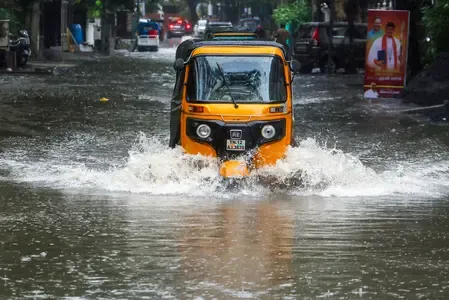
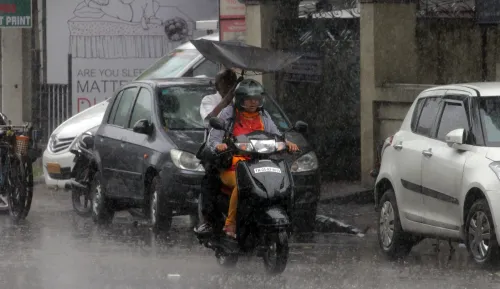
Tamil Nadu's school education department has directed all schools across the state to conduct urgent structural inspections, secure water storage facilities, and drain stagnant rainwater from campuses as intensifying northeast monsoon showers raise fresh concerns over student safety. The directive, issued on 24 October 2026, comes as persistent rainfall threatens to worsen pre-existing structural weaknesses in school buildings.
Key Directives in the Circular
The department circular instructs school heads and chief education officers to examine roofs, parapet walls, and sunshades for leaks and structural damage. Buildings found to be unsafe must be cordoned off immediately to restrict student access. The circular also mandates checks on the structural stability of overhead water tanks to prevent accidents triggered by compromised supports.
School heads have additionally been asked to prepare a detailed inventory of unused, ageing, and severely damaged buildings that require demolition. Authorities must coordinate with local civic bodies and inform the relevant departments to expedite action on a priority basis.
Coordination with Civic and Government Bodies
The department has directed schools to alert village panchayats, town panchayats, and municipalities about dangerous structures on or adjacent to campuses. The Public Works Department and the Collector's office must also be notified, and necessary demolition approvals obtained on a war footing, the circular said.
Chief education officers have been specifically directed to check open wells, underground water storage tanks, rainwater harvesting structures, and septic tanks within school premises. These must be secured with concrete or iron covers to prevent students from accidentally falling in — a recurring hazard during heavy monsoon seasons.
Construction Sites and Stagnant Water
Schools where construction work is currently under way have been ordered to barricade work sites and keep construction equipment beyond the reach of students. The circular also flags rainwater stagnation and the deteriorating condition of campus boundary walls as areas requiring immediate attention, noting that prolonged dampness can accelerate wall instability.
An official with the Chennai chief education office confirmed that headmasters have been instructed to inspect walls, coordinate with local bodies over safety concerns, and submit formal requests for replacement walls wherever necessary. Where rainwater accumulates on school grounds, headmasters must arrange to pump it out without delay, the official said.
What Schools Must Do Next
The circular calls for coordinated action involving school managements, education officials, civic bodies, and engineering authorities. School heads must combine on-ground inspections with prompt follow-up, ensuring that identified hazards are isolated and that requests for demolition, repairs, or structural replacement reach the appropriate authorities without delay. The measures cover both existing buildings and sites where construction continues through the monsoon period.
This is the latest in a series of seasonal safety advisories that Tamil Nadu's education department has issued ahead of peak monsoon months, underscoring the vulnerability of older school infrastructure to sustained rainfall.
Point of View
Not a systemic fix — Tamil Nadu's school infrastructure challenges predate every monsoon season. The instruction to compile demolition inventories is telling: it acknowledges that a meaningful share of school buildings are structurally unfit, yet the push for demolition approvals comes only when rains are already here. The real accountability gap is the absence of year-round structural audits, which would surface these risks well before water begins pooling in classrooms. Until maintenance budgets and pre-monsoon inspection protocols are institutionalised — rather than triggered by weather — seasonal circulars will remain a workaround rather than a solution.
NationPress
24 Oct 2026
Frequently Asked Questions
What has Tamil Nadu's school education department directed schools to do?
The department has directed all schools to inspect roofs, parapet walls, sunshades, and overhead water tanks for damage, secure open wells and underground tanks with covers, drain stagnant rainwater, and prepare demolition inventories for ageing or severely damaged buildings. The circular was issued on 24 October 2026 as monsoon rainfall intensified across the state.
Why has Tamil Nadu issued this school safety circular now?
The directive has been issued as the northeast monsoon intensifies, raising concerns that persistent rainfall could worsen pre-existing structural weaknesses in school buildings and pose safety risks to students. Prolonged dampness can accelerate wall instability and increase the risk of accidents near open water storage structures.
Which authorities must schools coordinate with under the circular?
Schools must coordinate with village panchayats, town panchayats, municipalities, the Public Works Department, and the Collector's office to report dangerous structures, obtain demolition approvals, and arrange repairs or replacements. The circular emphasises that requests must reach the appropriate authorities without delay.
What specific hazards has the department flagged on school campuses?
The department has flagged leaking or damaged roofs, unstable parapet walls and sunshades, structurally compromised overhead water tanks, uncovered open wells, underground water tanks, rainwater harvesting pits, septic tanks, stagnant rainwater on grounds, damp or weakened boundary walls, and unsecured construction sites within campuses.
What must schools do about buildings identified as unsafe?
Unsafe buildings must be cordoned off immediately to prevent student access. School heads must prepare an inventory of unused, ageing, and severely damaged buildings requiring demolition, coordinate with local civic bodies, and obtain demolition approvals on a war footing from the Public Works Department and the Collector's office.