CM Vijay Reviews Northeast Monsoon Readiness at TN Emergency Hub
Synopsis
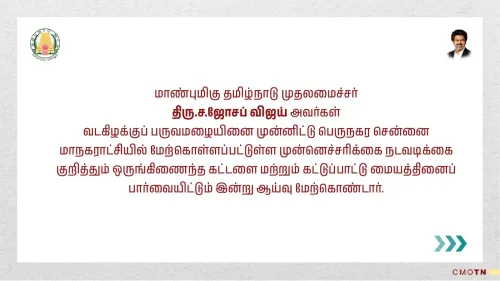
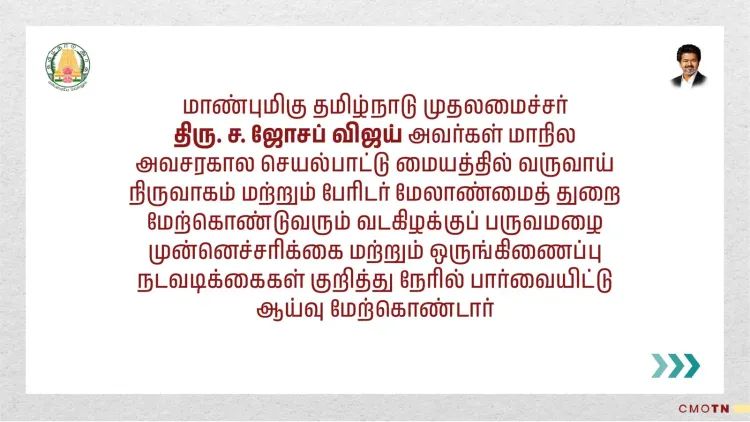
Chief Minister C. Joseph Vijay conducted a direct inspection of Tamil Nadu's State Emergency Operations Center on 22 October 2026, reviewing Northeast Monsoon early-warning steps and inter-departmental coordination by the Revenue Administration and Disaster Management Department ahead of the high-risk October-December rainfall season.
Key Takeaways
Joseph Vijay personally reviewed Northeast Monsoon preparedness at the State Emergency Operations Center on 22 October 2026 .
The inspection covered early-warning dissemination and coordination measures by the Revenue Administration and Disaster Management Department .
Tamil Nadu's Northeast Monsoon season runs October to December and brings both heavy rainfall and cyclonic storms from the Bay of Bengal .
The State Emergency Operations Center was strengthened following the 2004 tsunami ; annual pre-monsoon reviews were institutionalised after the 2015 Chennai floods .
Key indicators to watch: IMD rainfall bulletins, district control-room activations, and any relief or evacuation orders along the coast.
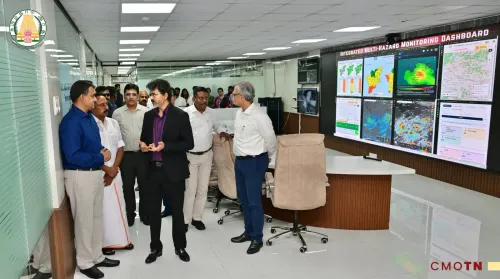
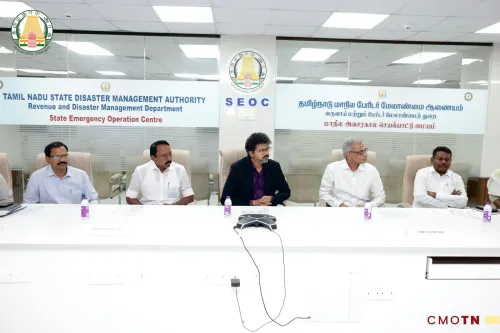
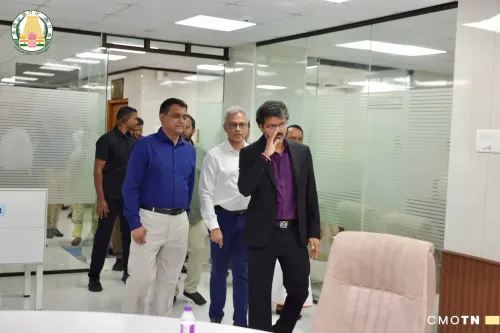
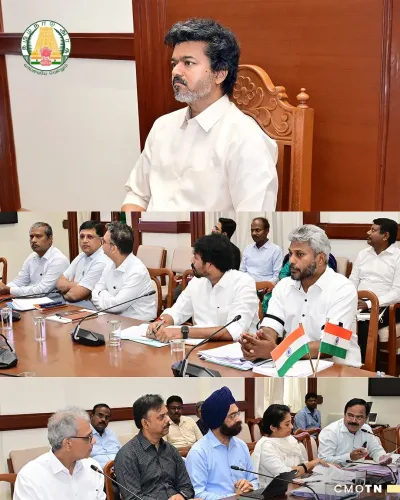
With the Northeast Monsoon bearing down on Tamil Nadu's coastline, Chief Minister C. Joseph Vijay stepped into the State Emergency Operations Center on Thursday, 22 October 2026, to personally inspect the early-warning and coordination machinery being run by the Revenue Administration and Disaster Management Department. It is the kind of hands-on review that signals to every district collector in the state: the clock is running.
What the Chief Minister saw at the operations room
The State Emergency Operations Center serves as Tamil Nadu's real-time nerve centre during the monsoon months — aggregating meteorological feeds, relaying alerts to district control rooms, and synchronising response across departments from public works to health. CM Vijay reviewed the precautionary steps and inter-departmental coordination underway, getting a live picture of how warnings will flow from forecasters to the communities most at risk. The Chief Minister's Office confirmed the inspection through its official post, tagging it #CMJosephVijay.
Why the Northeast Monsoon demands a different level of vigilance
The Northeast Monsoon — the October-to-December rainfall season — is Tamil Nadu's primary rain event, unlike most of peninsular India where the Southwest Monsoon dominates. The season brings not just heavy precipitation but also cyclonic storms churning in the Bay of Bengal, making coastal districts acutely vulnerable. Urban flooding, especially in Chennai, has historically overwhelmed drainage systems within hours of a high-intensity spell.
Two watershed disasters shaped the state's current preparedness architecture. The 2004 Indian Ocean tsunami forced a fundamental rethink of Tamil Nadu's disaster management infrastructure, leading to the formalisation of the State Emergency Operations Center and early-warning protocols. The 2015 Chennai floods — which paralysed the city for weeks and caused catastrophic loss — pushed administrations to institutionalise annual pre-monsoon reviews and hardwire inter-departmental coordination into standing operating procedures.
The governance habit behind the inspection
Direct Chief Ministerial oversight at the operations center ahead of the Northeast Monsoon has become a fixture of Tamil Nadu governance — a standing signal to the bureaucracy that complacency will not be tolerated at the top. Such reviews typically feed into standing orders covering drainage clearance, emergency shelter readiness, and the activation of public-alert systems. Coastal communities and flood-prone urban neighbourhoods are the direct beneficiaries when this coordination fires on all cylinders — and the direct victims when it does not.
In the days ahead, the indicators to track are official rainfall bulletins from the meteorological authority, the activation of district-level control rooms, and any announcements on pre-positioned relief allocations or precautionary evacuation orders along the coast.
Tamil Nadu has learned its monsoon lessons the hard way. The operations room now exists precisely so those lessons are never forgotten when the skies open up again.
Point of View
Right at the onset of the Northeast Monsoon season, fits a pattern of administrations using high-visibility oversight to pre-empt coordination failures across dozens of districts. For CM Vijay, it also carries a political dimension: demonstrating proactive governance to coastal and flood-prone constituencies that have historically punished administrations seen as slow to respond. Whether the operational follow-through matches the optics of the visit will be the real test.
NationPress
22 Oct 2026
Frequently Asked Questions
Why did Tamil Nadu CM Vijay visit the State Emergency Operations Center?
CM C. Joseph Vijay visited the State Emergency Operations Center on 22 October 2026 to personally review the early-warning and inter-departmental coordination measures being undertaken by the Revenue Administration and Disaster Management Department ahead of the Northeast Monsoon season.
What is Tamil Nadu's State Emergency Operations Center?
The State Emergency Operations Center is Tamil Nadu's real-time coordination hub during monsoon and cyclone events, aggregating weather forecasts, relaying alerts to district control rooms, and synchronising response across government departments.
When does the Northeast Monsoon hit Tamil Nadu?
The Northeast Monsoon typically affects Tamil Nadu from October to December, bringing heavy rainfall, urban flooding and cyclonic storms from the Bay of Bengal — making it the state's primary rain season, unlike most of peninsidal India.
How did the 2015 Chennai floods change Tamil Nadu's disaster management?
The catastrophic 2015 Chennai floods led Tamil Nadu to institutionalise annual pre-monsoon review meetings and hardwire inter-departmental coordination into standing operating procedures under the Revenue and Disaster Management Department.
What should people watch for as Tamil Nadu's monsoon preparedness unfolds?
Key indicators include official rainfall bulletins from the India Meteorological Department, the activation of district-level control rooms across Tamil Nadu, and any government announcements on pre-positioned relief stocks or precautionary evacuation orders for coastal areas.