Tamil Nadu monsoon prep: CM Vijay chairs high-level review meet today

Synopsis
With the northeast monsoon weeks away, Tamil Nadu CM C. Joseph Vijay convened a full-state preparedness review on 21 September — bringing together ministers, department heads and district collectors from coastal and delta districts — to ensure rescue teams, relief centres and drainage networks are ready before the rains arrive.
Key Takeaways
Joseph Vijay chaired a high-level northeast monsoon preparedness meeting at the Chennai Secretariat on 21 September 2026 .
The northeast monsoon typically runs from October to December and accounts for a large share of Tamil Nadu's annual rainfall.
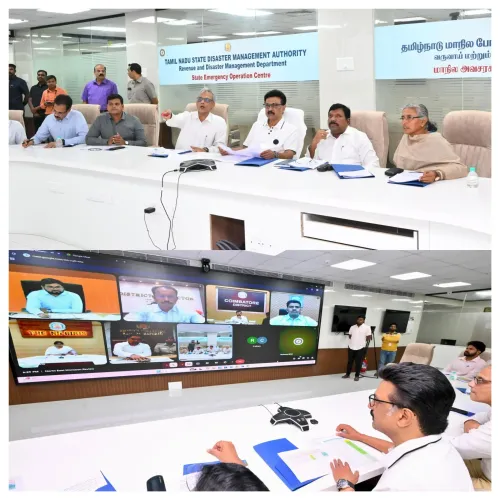
District Collectors from coastal and delta districts joined via video conferencing to report on local preparedness.
Departments covering Revenue, Disaster Management, Health, Electricity and Transport were represented at the review.
Key priorities include pre-positioning rescue teams, boats and pumps , desilting drainage networks and readying relief centres with essential facilities.
The Chief Minister was expected to set deadlines for unfinished work and mandate round-the-clock monitoring through the season.
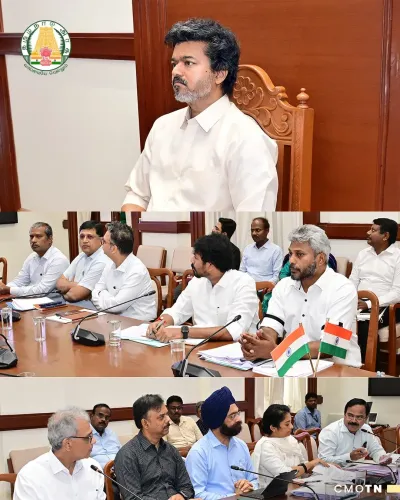
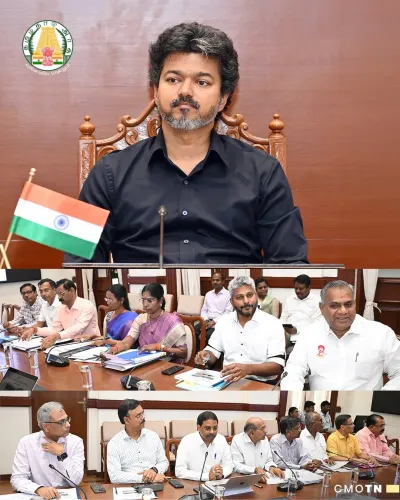
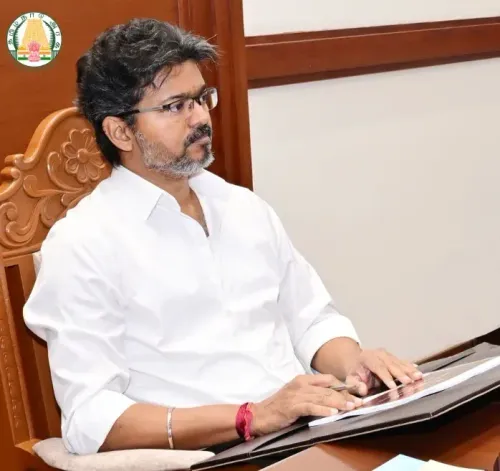
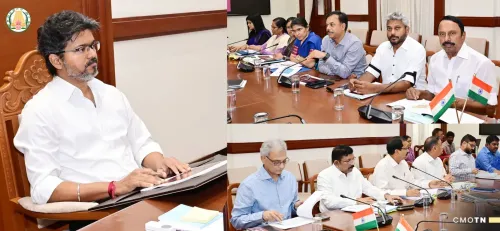
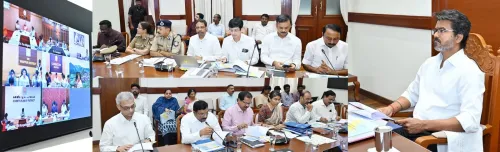
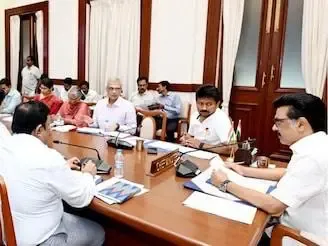
Tamil Nadu Chief Minister C. Joseph Vijay on Monday, 21 September 2026 chaired a high-level meeting at the Secretariat in Chennai at noon to review the state's preparedness for the northeast monsoon and assess steps being taken to minimise casualties and infrastructure damage during the rainy season.
Why This Meeting Matters
The northeast monsoon, which typically runs from October to December, contributes a substantial share of Tamil Nadu's annual rainfall. Coastal and delta districts face heightened exposure to cyclones, flooding, waterlogging and damage to public infrastructure during this period, making advance coordination across departments critical.
Who Attended and How
Ministers, senior officials and representatives of key departments attended the review in person at the Secretariat. District Collectors from coastal and delta districts joined via video conferencing, briefing the Chief Minister on preparedness work completed in their respective districts and flagging areas needing immediate attention.
Key Areas Under Review
Discussions centred on coordinated action by the Revenue, Disaster Management, Health, Electricity and Transport departments. Officials were expected to present district-level emergency plans, manpower availability and response protocols for heavy rain, floods and cyclonic weather.
The Chief Minister was likely to direct authorities to keep rescue personnel, boats, pumps, emergency vehicles and other essential equipment deployment-ready. Advance rescue teams may be pre-positioned in areas identified as vulnerable to flooding, landslides or isolation after intense rainfall.
Relief, Infrastructure and Drainage Preparedness
The meeting also examined arrangements at relief centres, with departments expected to ensure uninterrupted electricity, safe drinking water, food, medicines and sanitation at these facilities. Suitable buildings are to be identified in advance to shelter people evacuated from low-lying and high-risk localities.
Preparatory works covering the desilting of waterbodies, stormwater channels and drainage networks were also on the agenda. The government was likely to push for faster removal of water hyacinth, obstructions and encroachments that could impede rainwater flow and worsen flooding. Repair of damaged electricity poles, transmission towers and other vulnerable power infrastructure was also flagged as a priority.
Expected Directives and Deadlines
Chief Minister Vijay was expected to issue department-wise instructions, set deadlines for pending work and direct district administrations to maintain close coordination and round-the-clock monitoring throughout the monsoon season. The review signals the government's intent to move from planning to execution well ahead of the season's onset next month.
Point of View
But the scale of this one — with coastal district collectors on video call and multi-department coordination on the agenda — suggests the administration is acutely aware of Tamil Nadu's recurring flood vulnerability. What will determine real outcomes is not the meeting itself but whether the desilting, drainage repairs and relief-centre readiness translate into completed works before October. Past seasons have seen preparedness declarations followed by preventable urban flooding in Chennai and delta districts; the gap between planning and execution remains the state's most persistent monsoon problem.
NationPress
21 Sept 2026
Frequently Asked Questions
Why is the northeast monsoon significant for Tamil Nadu?
The northeast monsoon, which runs from October to December, delivers a substantial share of Tamil Nadu's annual rainfall, making it the state's primary rain-bearing season. Coastal and delta districts are especially vulnerable to cyclones, flooding and waterlogging during this period.
What was discussed at CM Vijay's monsoon review meeting?
The meeting covered district-level emergency plans, deployment of rescue personnel and equipment, desilting of drains and waterbodies, readiness of relief centres, and repair of damaged power infrastructure. Department-wise instructions and deadlines for pending work were also expected to be issued.
Which departments were involved in the monsoon preparedness review?
The Revenue, Disaster Management, Health, Electricity and Transport departments were all part of the review. District Collectors from coastal and delta districts participated via video conferencing.
How will Tamil Nadu handle evacuations during the monsoon?
The government plans to identify suitable buildings in advance to shelter people from low-lying and high-risk areas, and to ensure relief centres are stocked with electricity, drinking water, food, medicines and sanitation facilities.
What infrastructure steps is Tamil Nadu taking before the monsoon?
The state is focusing on desilting waterbodies, stormwater channels and drainage networks, removing water hyacinth and encroachments, and repairing damaged electricity poles and transmission towers ahead of the monsoon onset.