Tamil Nadu puts 8,200 personnel on alert as northeast monsoon intensifies
Synopsis
With the northeast monsoon intensifying, Tamil Nadu has mobilised 8,200 fire and rescue personnel, placed 375 fire stations on round-the-clock duty and pre-positioned advanced rescue tech at 125 historically flood-hit sites — one of the state's largest single-season emergency deployments in recent years.
Key Takeaways
Tamil Nadu has put approximately 8,200 fire and rescue personnel on high alert as the northeast monsoon intensifies.
All 375 fire stations and three rescue stations at Hogenakkal , Kotagiri and Marina Beach are operating round the clock.
Personnel are monitoring roughly 4,400 flood-vulnerable locations identified by the State Disaster Management Authority .
Rescue teams are stationed at 15 vulnerable points across Chennai , with 203 flood-prone city locations under active watch.
1,000 volunteers , including divers and fishermen, have been deployed across 13 high-risk districts .
Advanced equipment including motion-imaging cameras , rope launchers and drones has been pre-positioned for debris-rescue operations.
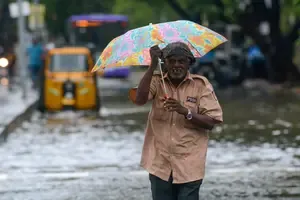
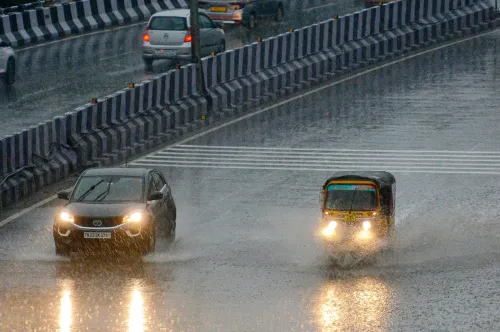
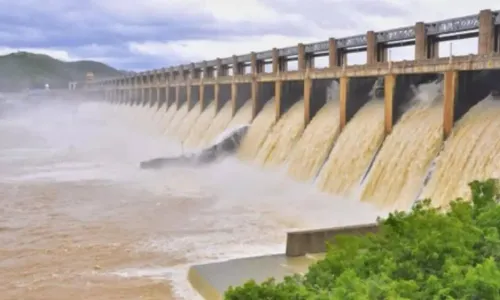
Tamil Nadu has mobilised approximately 8,200 fire and rescue personnel on full alert as the northeast monsoon intensifies across the state, with specialist teams deployed in flood-prone zones and boats, emergency equipment and trained volunteers pre-positioned to respond to potential inundation. The large-scale preparedness drive, announced on 21 October 2026, reflects the scale of threat the monsoon season poses to coastal and low-lying districts.
Scale of Deployment
The Tamil Nadu Fire and Rescue Services Department has directed all 375 fire stations and three dedicated rescue stations — at Hogenakkal, Kotagiri and Chennai's Marina Beach — to operate round the clock without interruption. National Disaster Response Force (NDRF) and State Disaster Response Force (SDRF) teams have also been deployed in areas recording heavy rainfall.
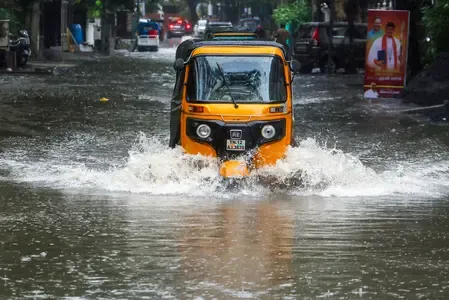
Personnel are actively monitoring approximately 4,400 locations identified by the State Disaster Management Authority as vulnerable to flooding. Separately, the fire department is tracking 1,343 low-lying locations across the state, while rescue teams have been pre-positioned at 125 sites that recorded significant casualties and property damage during previous flood episodes.
Equipment and Capabilities
Each deployment unit comprises 20 personnel equipped with rescue vehicles, rubber boats, drones and life jackets. District-level teams include commando units, trained rescue swimmers and specialists in rope operations. Equipment on standby includes motorboats, power saws for removing fallen trees, pumps for draining floodwater, and ropes.
Advanced rescue technology has also been readied, including rope launchers, rope riders and motion-imaging cameras to locate individuals trapped under debris. Walkie-talkies have been distributed to sustain communication if regular telecom networks fail, officials said.
Chennai on High Watch
Authorities are monitoring 203 flood-prone locations within Chennai and its surrounding districts. Rescue teams have been stationed at 15 vulnerable points, including Kilpauk, Anna Nagar, Retteri Junction, Sembium, Mint, Basin Bridge, Velachery Ram Nagar, Perumbakkam, Mudichur, Tambaram, Kundrathur, Avadi, Manali, Red Hills and Nandambakkam.
Around 200 additional fire personnel have been transferred to Chennai from districts receiving comparatively lighter rainfall, reflecting the city's extensive low-lying neighbourhoods and its historically higher rescue burden during the northeast monsoon.
Volunteer Networks and District Coverage
The department has mobilised 1,000 volunteers — including experienced divers and fishermen — across 13 high-risk districts: Chennai, Tiruvallur, Chengalpattu, Kancheepuram, Villupuram, Nagapattinam, Cuddalore, Pudukkottai, Thanjavur, Tiruvarur, Thoothukudi, Tirunelveli and Kanyakumari. A further 200 volunteers have been separately readied to assist in rescue operations.
Leave for fire department personnel has been restricted for the duration of the monsoon, with exceptions granted only for urgent personal needs. The combined arrangements are designed to accelerate evacuations, reach stranded residents and clear obstructions as heavy rainfall heightens the risk of inundation across the state.
With the northeast monsoon still intensifying, authorities say they will continue to scale deployments in response to evolving ground conditions.
Point of View
Rope launchers and drone-equipped units signals a shift from reactive flood response to proactive technical rescue. Yet the real test will be inter-agency coordination across 13 districts simultaneously, a persistent gap that past monsoon seasons exposed. The inclusion of 1,000 civilian volunteers, particularly fishermen and divers, is a pragmatic acknowledgement that state capacity alone cannot cover Tamil Nadu's sprawling coastal vulnerability. Whether this preparedness translates into reduced casualties — rather than just impressive deployment numbers — is the question the season will answer.
NationPress
21 Oct 2026
Frequently Asked Questions
Why has Tamil Nadu put 8,200 personnel on alert?
Tamil Nadu has mobilised 8,200 fire and rescue personnel in response to the intensifying northeast monsoon, which historically brings heavy rainfall and flooding to the state's coastal and low-lying districts. The deployment covers 375 fire stations, NDRF and SDRF teams, and volunteer networks across 13 high-risk districts.
Which Chennai areas are under flood watch during the northeast monsoon?
Authorities are monitoring 203 flood-prone locations in and around Chennai. Rescue teams have been stationed at 15 specific vulnerable points including Kilpauk, Anna Nagar, Retteri Junction, Velachery Ram Nagar, Tambaram, Avadi and Red Hills, among others.
What equipment has Tamil Nadu deployed for flood rescue?
Each rescue unit is equipped with rubber boats, drones, life jackets, motorboats, power saws, water pumps and ropes. Advanced tools including motion-imaging cameras, rope launchers and rope riders have been deployed to locate and rescue people trapped under debris.
Which districts are covered under Tamil Nadu's northeast monsoon flood response?
Thirteen districts have been identified as high-risk and covered by 1,000 trained volunteers: Chennai, Tiruvallur, Chengalpattu, Kancheepuram, Villupuram, Nagapattinam, Cuddalore, Pudukkottai, Thanjavur, Tiruvarur, Thoothukudi, Tirunelveli and Kanyakumari.
Are rescue teams deployed at sites of previous floods in Tamil Nadu?
Yes, rescue teams have been pre-positioned at 125 locations where previous floods caused significant casualties and property damage. Each team consists of 20 personnel with a full complement of rescue vehicles and water-rescue equipment.