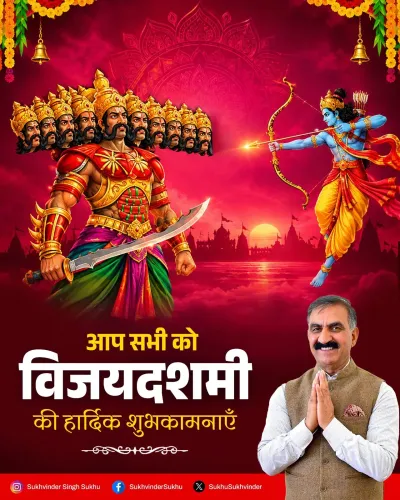
Anurag Thakur extends greetings for Kullu Dussehra
Synopsis
BJP MP Anurag Thakur greeted devotees on Kullu Dussehra, celebrating Himachal Pradesh's iconic week-long festival centred on Lord Raghunath Ji as a grand confluence of deities and living emblem of the state's Sanatan cultural heritage.
Key Takeaways
Anurag Thakur , BJP Lok Sabha MP from Hamirpur, Himachal Pradesh , posted greetings for Kullu Dussehra on 21 October 2026 .
Kullu Dussehra begins on Vijayadashami and runs for a full week — unlike most Dussehra celebrations across India.
The festival centres on Lord Raghunath Ji , installed as Kullu's presiding deity by Raja Jagat Singh in the 17th century.
Hundreds of local devtas descend from surrounding Himalayan villages to assemble on the Dhalpur Maidan in Kullu.
Himachal Pradesh is officially described as Devbhoomi (Land of the Gods), and Kullu Dussehra holds state recognition as a heritage cultural event.
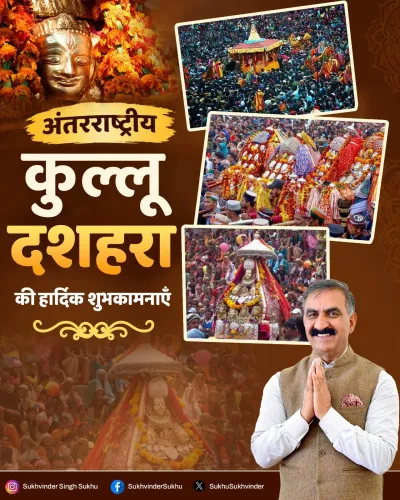
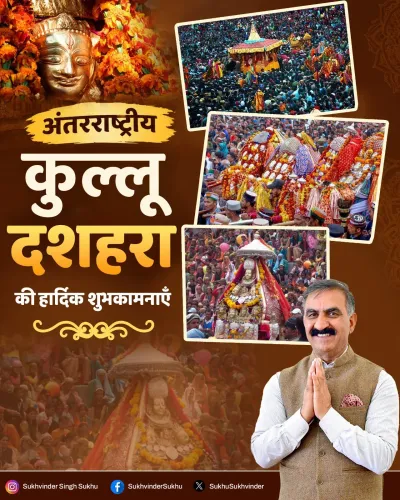
Where hundreds of temple deities descend from the Himalayan peaks to pay homage to Lord Raghunath Ji, the festival that sets Kullu apart from every other Dussehra celebration in India begins once more. BJP MP Anurag Thakur, representing Hamirpur, Himachal Pradesh, on Wednesday, 21 October 2026, extended warm greetings for the historic Kullu Dussehra — one of the most distinctive cultural festivals of the state he calls home.
Invoking the blessing of 'Jai Shri Raghunath Ji' — a salutation central to Kullu's identity — Thakur described the festival as a 'grand confluence of deities' (bhavya dev milan ka mahaprav) and a living emblem of Himachal Pradesh's folk traditions and cultural heritage. His message called for the victory of righteousness, the end of untruth, harmony among all living beings, and the welfare of the world — standard Sanskrit benedictions that resonate through Sanatan tradition.
Why Kullu Dussehra stands apart
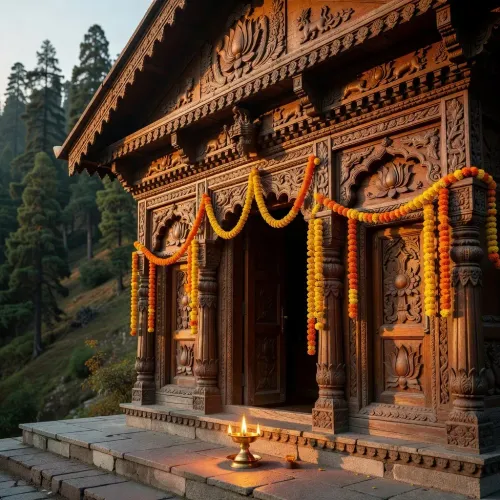
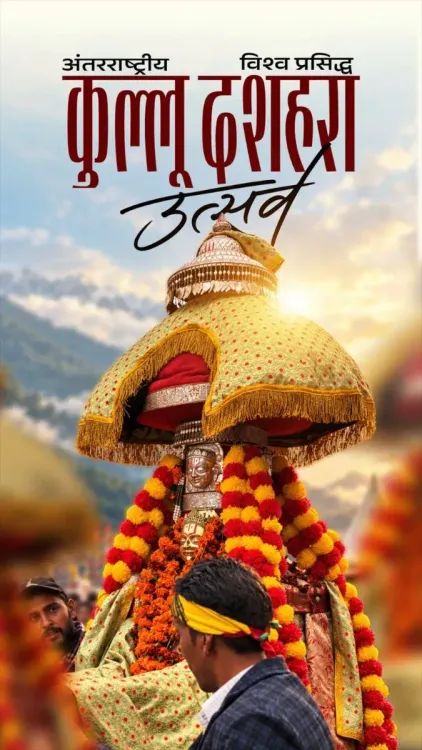
Kullu Dussehra is no ordinary Vijayadashami celebration. While most of India marks the day with the burning of Ravana effigies and closes its celebrations on the tenth day of Ashwin, Kullu's festival begins precisely on that day and runs for a full week. The focal deity is Lord Raghunath Ji — an avatar of Vishnu installed as the presiding deity of Kullu by the 17th-century ruler Raja Jagat Singh — and it is in his honour that hundreds of local devtas (tutelary deities) are carried down from surrounding villages in elaborate palanquins to attend the grand assembly on the Dhalpur Maidan.
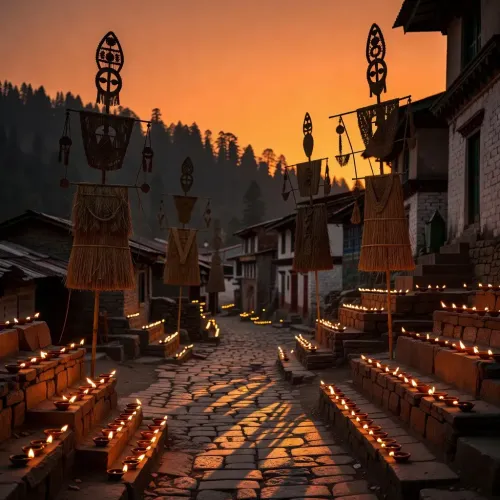
The spectacle — part pilgrimage, part carnival, part living museum of Himalayan folk culture — has earned Kullu Dussehra state recognition as a heritage event and draws devotees and tourists from across the country each October.
Himachal's cultural identity and political resonance
Himachal Pradesh, long called Devbhoomi (Land of the Gods) for its dense concentration of temples and religious traditions, treats festivals like Kullu Dussehra as markers of regional pride as much as religious observance. For a Himachali BJP MP of Thakur's stature — a former Union Minister who held the Information & Broadcasting and Youth Affairs & Sports portfolios — publicly honouring such an occasion is both a cultural gesture and a signal of continued rootedness in the constituency.
BJP leaders from the hill state routinely issue greetings for major regional festivals, and references to Sanatan Dharma in such messages have become a consistent part of the party's outreach on heritage and civilisational themes.
As the procession of deities winds through Kullu's streets this week, the festival remains what it has been for centuries — a reminder that in the mountains of Himachal, the divine and the everyday have never really been separate things.
Point of View
Whose national profile was built at the Centre, sustained engagement with distinctly Himachali occasions is a way of maintaining grassroots connect with a constituency that is culturally proud and electorally competitive.
NationPress
21 Oct 2026
Frequently Asked Questions
What is Kullu Dussehra and why is it different from other Dussehra celebrations?
Kullu Dussehra begins on Vijayadashami — the day most of India closes its Dussehra celebrations — and continues for a full week. It centres on Lord Raghunath Ji and features hundreds of local Himalayan deities carried in palanquins to a grand assembly at Dhalpur Maidan in Kullu, Himachal Pradesh.
Who is Lord Raghunath Ji and what is his connection to Kullu?
Lord Raghunath Ji is an avatar of Vishnu installed as the presiding deity of Kullu by the 17th-century ruler Raja Jagat Singh. He is the central figure of Kullu Dussehra, and the salutation 'Jai Shri Raghunath Ji' is synonymous with the town's religious identity.
What did Anurag Thakur say about Kullu Dussehra?
Anurag Thakur described Kullu Dussehra as a grand confluence of deities and a living emblem of Himachal Pradesh's folk traditions and cultural heritage. He called for the victory of righteousness, harmony among all living beings, and the welfare of the world.
Why is Himachal Pradesh called Devbhoomi?
Himachal Pradesh is called Devbhoomi, meaning 'Land of the Gods,' because of its dense concentration of temples, shrine traditions, and religious festivals. Kullu Dussehra is among the most prominent events that embody this identity.
What is the significance of BJP leaders issuing Kullu Dussehra greetings?
BJP leaders from Himachal Pradesh routinely honour major regional festivals publicly to reinforce cultural connect with voters. Kullu Dussehra, being a state-recognised heritage event, carries both religious and political significance in the hill state.