CM Sukhu Extends Dussehra Wishes, Invokes Himachal's Self-Reliance
Synopsis
Himachal Pradesh CM Sukhvinder Singh Sukhu marked Dussehra 2026 with greetings invoking the festival's spirit of good over evil, celebrating the state's cultural heritage and expressing hope for Himachal Pradesh's journey toward self-reliance.
Key Takeaways
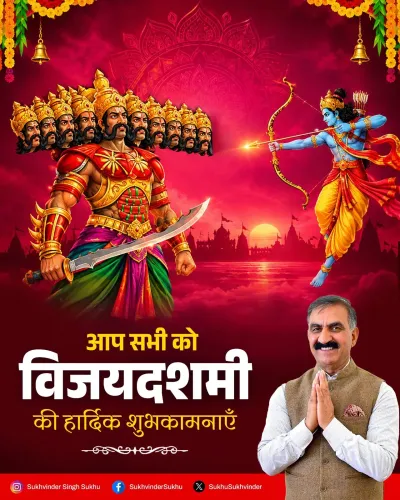
CM Sukhvinder Singh Sukhu posted Dussehra greetings on 20 October 2026 .
He described Dussehra as 'the sacred festival of the victory of good over evil.' He called Himachal's fairs and festivals a vital part of the state's cultural heritage.
The message included a wish for Himachal Pradesh to advance on the path of self-reliance .
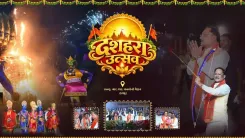
Kullu Dussehra is among India's most distinctive regional variants of the festival, central to Himachal's cultural identity.
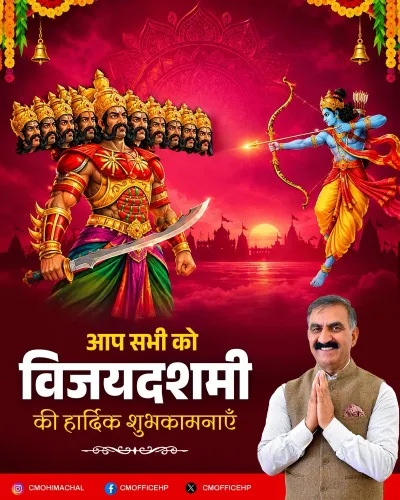
On the festival of Dussehra, Himachal Pradesh Chief Minister Sukhvinder Singh Sukhu turned to the occasion's oldest symbolism — the triumph of good over evil — to carry a message about his state's future, posting warm greetings for all residents of Himachal Pradesh on Tuesday, 20 October 2026.
In his post, written in Hindi, the Chief Minister said: 'Burai par achhai ki jeet ka pavan parv hai Dussehra' — 'Dussehra is the sacred festival of the victory of good over evil.' He described the state's festivals and fairs as living threads of cultural heritage, adding: 'On this auspicious occasion, I wish that the homes and courtyards of all residents of the state are filled with happiness, and that Himachal Pradesh continues to move forward on the path of self-reliance.'
Dussehra's Particular Resonance in Himachal Pradesh
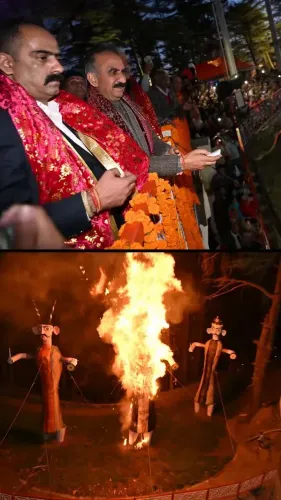
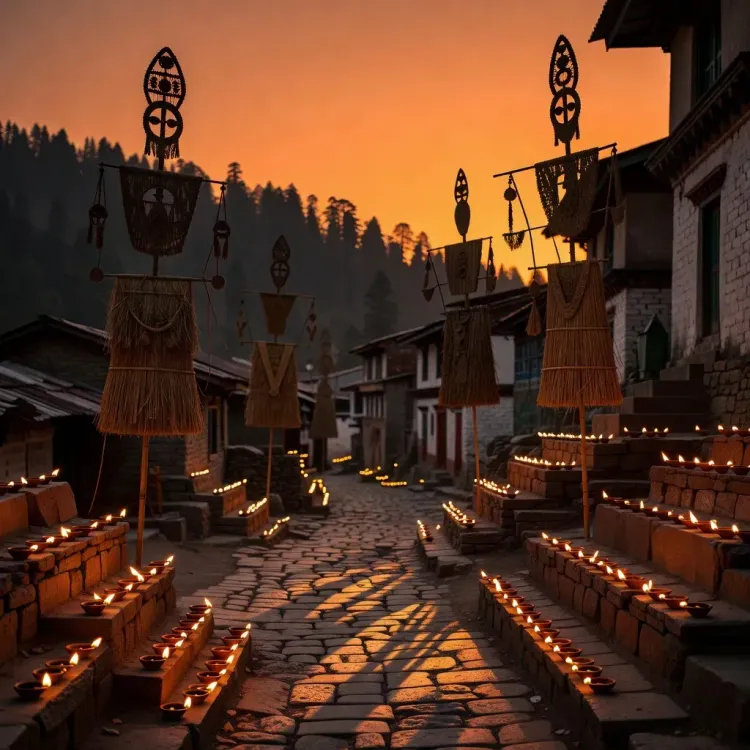
Himachal Pradesh carries one of India's most distinctive Dussehra traditions. The Kullu Dussehra, held annually in the Kullu valley, is among the most celebrated regional variants of the festival — drawing thousands of devotees and showcasing the state's dense tapestry of local deities, folk music, and Himalayan ritual culture. For Himachalis, Dussehra is not merely a national religious occasion but a deeply local moment of communal identity.
CM Sukhu's explicit call-out of 'fairs and festivals' as cultural heritage reflects a consistent strand in Himachal's public discourse — the state's topography and small-town character make its seasonal melas and religious gatherings central to both social life and the local economy.
The Self-Reliance Note Inside a Festival Greeting
The closing line about Himachal Pradesh advancing toward aatmanirbharta (self-reliance) gives the post a mild policy flavour. Indian state chief ministers routinely weave development messaging into festival addresses — it is a well-established form of public communication that keeps governance goals visible during high-attention cultural moments. Sukhu's framing follows that pattern, anchoring an aspirational economic direction alongside the cultural warmth of the occasion.
Point of View
Where development credibility remains an ongoing conversation, even a ceremonial post carries a quiet signal about economic ambition. The Dussehra hook also lets the CM speak to Himachal's deeply rooted festival culture at a moment when the state's tourism and cultural economy are politically salient. The post is routine in form but deliberate in its double register.
NationPress
21 Oct 2026
Frequently Asked Questions
What did CM Sukhu say on Dussehra 2026?
CM Sukhvinder Singh Sukhu described Dussehra as the sacred festival of the victory of good over evil, wished residents happiness, and expressed hope for Himachal Pradesh's continued progress toward self-reliance.
Why is Dussehra significant in Himachal Pradesh?
Himachal Pradesh hosts the famous Kullu Dussehra, one of India's most celebrated regional variants of the festival, where local deities, folk traditions, and Himalayan culture come together in a major annual gathering.
What is the meaning of aatmanirbharta in Sukhu's Dussehra message?
Aatmanirbharta means self-reliance. CM Sukhu used the term to signal his government's aspiration for Himachal Pradesh to become economically self-sufficient, weaving a development goal into the cultural occasion.
When is Dussehra celebrated in 2026?
Dussehra in 2026 falls on 20 October, as confirmed by CM Sukhu's post on that date extending greetings to Himachal Pradesh residents.
What is Kullu Dussehra?
Kullu Dussehra is a week-long festival held in the Kullu valley of Himachal Pradesh, renowned as one of the grandest regional Dussehra celebrations in India, featuring processions of local deities and traditional folk performances.