CM Sai Attends Dussehra at Raipur's Historic Ravanbhatha
Synopsis
Chief Minister Vishnu Deo Sai attended Vijayadashami celebrations at Raipur's historic Ravanbhatha Maidan and announced ₹10 lakh annually to preserve the nearly 170-year-old Dussehra festival, invoking Lord Ram's ideals as a blueprint for developed Chhattisgarh.
Key Takeaways
CM Vishnu Deo Sai attended the Vijayadashami celebrations at Ravanbhatha Maidan, Raipur on 20 October 2026 .
He announced an annual grant of ₹10 lakh to preserve the Ravanbhatha Dussehra festival .
The festival is said to have a history of nearly 170 years , making it one of Raipur's oldest cultural traditions.
CM Sai called on citizens to follow the ideals of Lord Shri Ram — truth, service, good governance, and public welfare — for building 'Viksit Chhattisgarh'.
The grant's actual disbursement and impact in future fiscal cycles will determine the practical significance of the announcement.
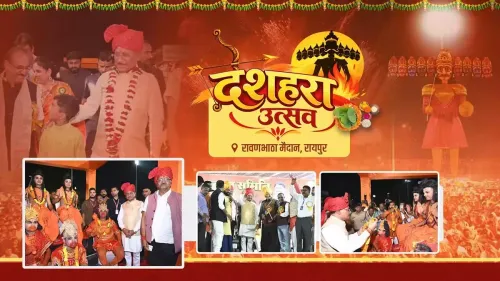
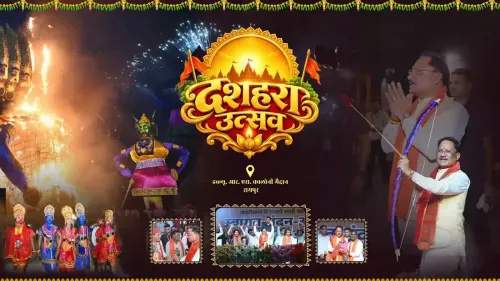
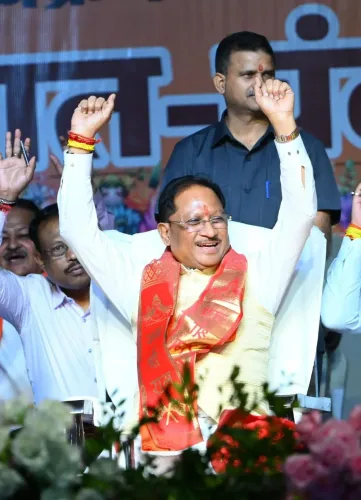
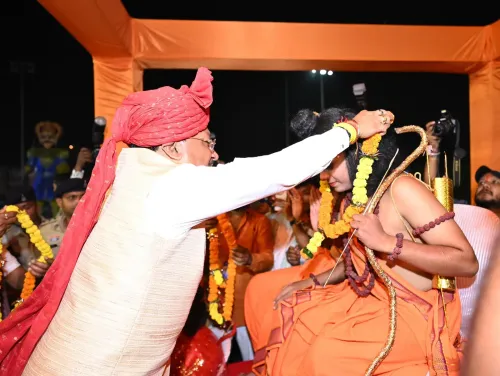
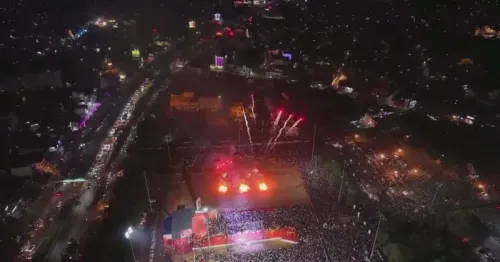
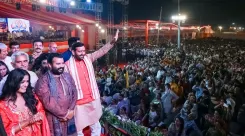
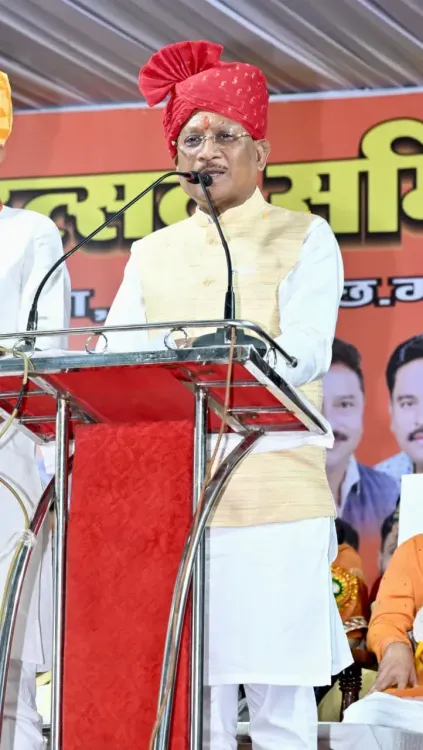
A nearly 170-year-old tradition lit up Raipur on Tuesday evening — and this year, it came with a government cheque. Chief Minister Vishnu Deo Sai attended the Vijayadashami celebrations at the historic Ravanbhatha Maidan in the state capital and announced an annual grant of ₹10 lakh to keep the storied festival alive for generations to come.
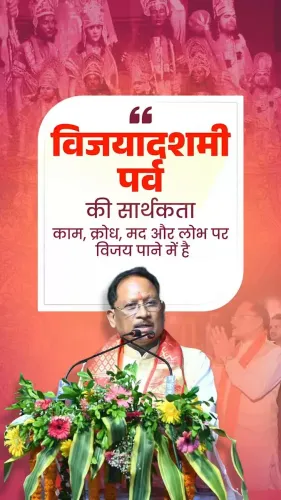
The Chief Minister's Office of Chhattisgarh shared the occasion on X, quoting CM Sai as saying: 'Vijayadashami hamaen apne bheetar ki buraaiyon par vijay prapt kar satya, dharm aur nyaay ke marg par chalne ki prerana deti hai' — 'Vijayadashami inspires us to conquer the evil within ourselves and walk the path of truth, righteousness, and justice.'
Ravanbhatha Maidan: Raipur's 170-Year Dussehra Heartbeat
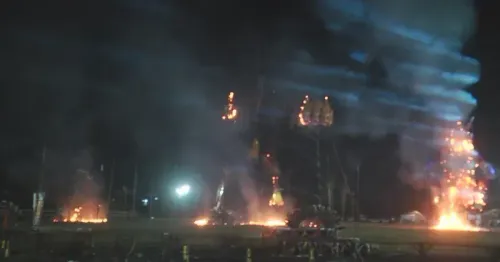
The Ravanbhatha Dussehra festival is one of Raipur's most enduring civic-cultural fixtures, with local traditions placing its origins roughly 170 years in the past. Named after the very effigy it burns — Ravan-bhatha, the place of Ravana — the maidan has served as the symbolic arena where the Ramayana's final act is re-enacted each year for the city's residents. It is the kind of event where mythology, community, and public memory converge in one open ground.
CM Sai's announcement of ₹10 lakh per year to preserve the festival is a direct state commitment to its continuity, a gesture that festival organisers and the broader Raipur community are expected to welcome. Indian state governments routinely channel modest public funds toward historic religious festivals tied to epics like the Ramayana, viewing them as both cultural heritage and civic anchors.
Governance Framed Through Lord Ram's Ideals
CM Sai used the occasion to call on residents to imbibe the ideals of Lord Shri Ram — satya, seva, sushasan aur jankallyan (truth, service, good governance, and public welfare) — as guiding principles for building a 'Viksit Chhattisgarh' (Developed Chhattisgarh). The framing echoes a pattern familiar in Indian state politics: elected leaders lending moral weight to governance messaging by anchoring it in festival narratives.
For CM Sai, who came to power after the BJP's victory in the 2023 Chhattisgarh assembly elections, appearances at high-profile cultural events like Ravanbhatha carry both symbolic and electoral significance — connecting the administration to the state's Hindu cultural identity while reinforcing development rhetoric.
The real test of Tuesday's announcement will come in the budget books: whether the ₹10 lakh annual grant is formalised, disbursed on time, and actually reaches the festival's organisers in successive fiscal cycles.
Frequently Asked Questions
Where did CM Vishnu Deo Sai attend Dussehra celebrations in 2026?
CM Vishnu Deo Sai attended the Vijayadashami celebrations at the historic Ravanbhatha Maidan in Raipur , the capital of Chhattisgarh, on 20 October 2026 .
What did CM Sai announce at Ravanbhatha Dussehra 2026?
He announced an annual grant of ₹10 lakh to be provided every year to preserve and support the Ravanbhatha Dussehra festival , which is said to have a tradition of nearly 170 years .
How old is the Ravanbhatha Dussehra tradition in Raipur?
According to CM Sai's statement at the event, the Ravanbhatha Dussehra festival has a history of nearly 170 years , making it one of Raipur's oldest civic-cultural traditions.
What message did CM Sai give on Vijayadashami 2026?
CM Sai said that Vijayadashami inspires people to conquer the evil within themselves and walk the path of truth, righteousness, and justice. He also urged citizens to imbibe Lord Ram's ideals of truth, service, good governance, and public welfare to build 'Viksit Chhattisgarh'.
Why does the Chhattisgarh government fund Dussehra festivals?
Indian state governments, including Chhattisgarh, routinely allocate public funds to preserve historic regional festivals tied to the Ramayana, viewing them as cultural heritage assets and civic anchors that bring communities together.