CM Dhami calls for equal education opportunities in Uttarakhand
Synopsis
Chief Minister Pushkar Singh Dhami on 3 July 2026 called on citizens to build an Uttarakhand where every child receives equal opportunity and education empowers their dreams, reinforcing the state's alignment with NEP 2020's equity mandate.
Key Takeaways
CM Pushkar Singh Dhami on 3 July 2026 called for collective effort to ensure equal educational opportunities for every child in Uttarakhand .
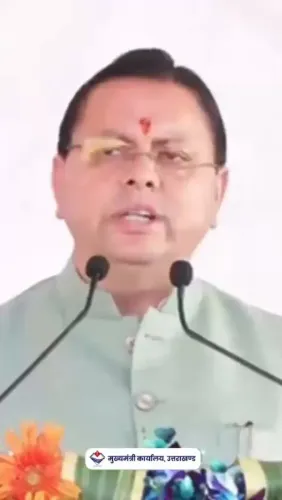
The statement was shared via the official Chief Minister's Office account on X and accompanied by a video.
Uttarakhand launched a state education mission in 2021 to align with the National Education Policy 2020 , targeting rural infrastructure and teacher training.
The state's mountainous geography makes equitable school access a persistent challenge, particularly for children in remote hill districts.
Such statements from the CMO have historically preceded budget allocations or scheme launches for school infrastructure and scholarships.
Primary beneficiaries include school-going children and rural families in Uttarakhand's hill districts who rely solely on government schools.
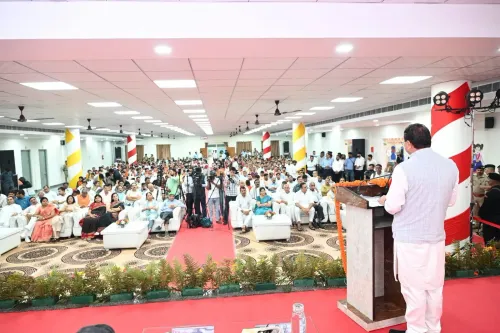
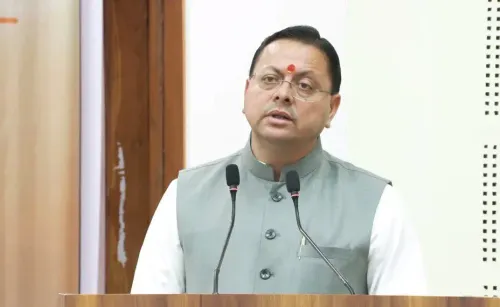
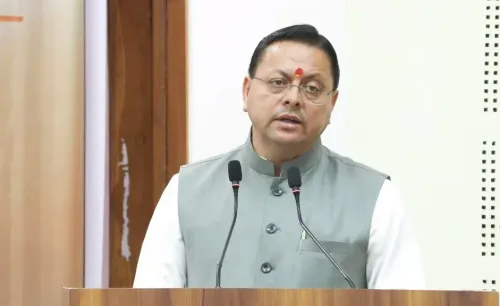
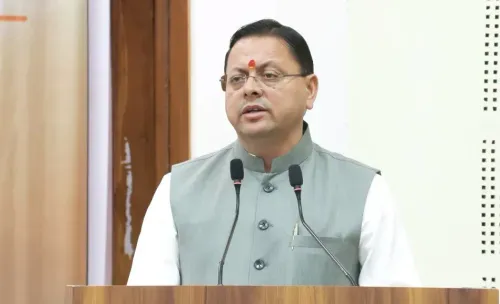
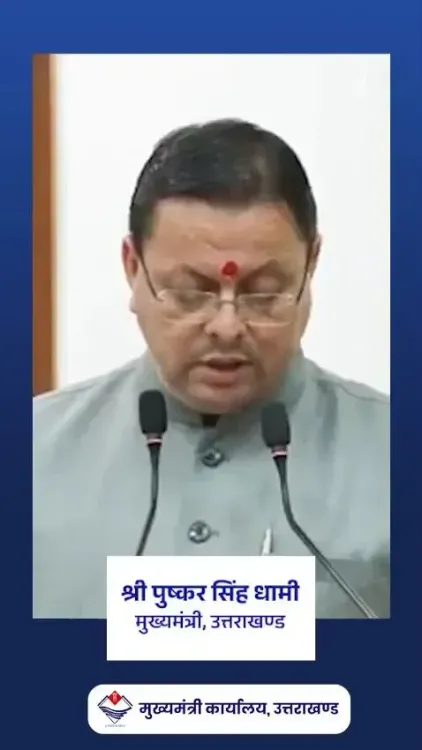
The Chief Minister's Office of Uttarakhand on Friday, 3 July 2026, shared a statement from Chief Minister Pushkar Singh Dhami calling on citizens to collectively build a state where every child receives equal opportunity and education empowers their aspirations.
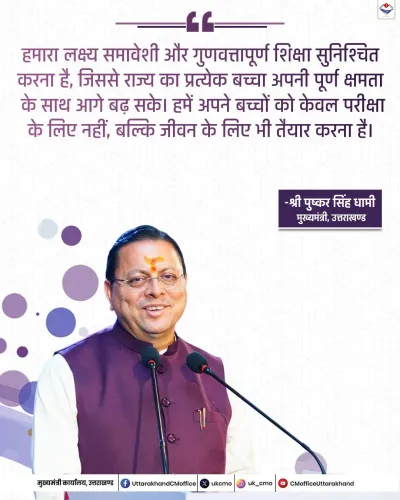
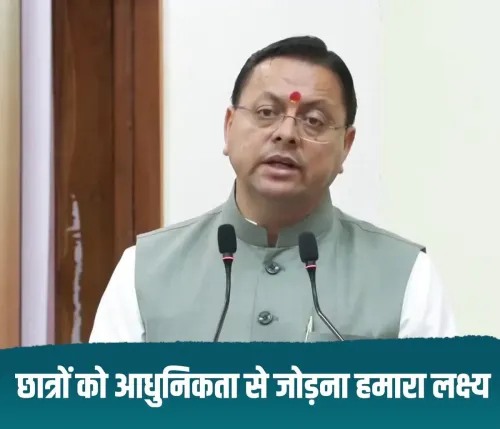
Addressing the public through the official CMO account, CM Dhami said: 'Let us all together build such an Uttarakhand where every child gets equal opportunity, where education gives new wings to their dreams.' The message was accompanied by a video and carried the hashtag #Uttarakhand.
Context
Uttarakhand, a Himalayan state carved out of Uttar Pradesh in 2000, has long grappled with unequal access to quality schooling across its remote mountain districts. High out-migration from rural areas has historically been linked to limited local economic and educational opportunity, making equitable schooling a persistent policy priority for successive state governments.
CM Pushkar Singh Dhami has led the BJP government in the state since 2021, consistently positioning education and social welfare as central pillars of his administration's development agenda.
Policy Backdrop
The statement aligns closely with the spirit of the National Education Policy (NEP) 2020, India's landmark framework emphasising universal access, foundational literacy, and equity in schooling for all children. Uttarakhand launched its own state education mission in 2021 to align with NEP goals, focusing on school infrastructure upgrades and teacher training in rural and semi-urban areas.
The emphasis on 'equal opportunity' echoes NEP 2020's core mandate to bridge gaps between urban and rural learners — a challenge that is particularly acute in a mountainous state where geography itself limits access to schools and trained educators.
Stakeholders and Impact
The primary beneficiaries of any policy action flowing from this commitment would be school-going children in Uttarakhand's hill districts, along with rural families who depend on government schools as the sole avenue for their children's education. Improved educational outcomes in these communities are widely seen as a lever for reducing out-migration and building local human capital.
Broader stakeholders include state teachers' bodies, local self-government institutions responsible for school management, and civil society organisations working on girl-child education and tribal welfare in the state's remote blocks.
What's Next
Statements of this nature from the Chief Minister's Office frequently precede concrete budget allocations for school infrastructure, scholarship schemes, or new guidelines on NEP 2020 implementation ahead of assembly sessions. Observers will watch forthcoming Uttarakhand budget announcements and legislative business for any specific spending commitments tied to this vision of equitable education.
The broader pattern across BJP-governed states suggests that such messaging is often a precursor to scheme launches or mid-year policy reviews targeting foundational learning outcomes — particularly as the national NEP implementation timeline advances.
Point of View
Signalling alignment with New Delhi's education agenda while addressing a state-specific vulnerability — the out-migration crisis rooted in limited local opportunity. For a hill state where geography is a structural barrier, translating such rhetoric into measurable school-access improvements remains the critical test. The statement's timing and video format suggest it is part of a broader communication strategy rather than a standalone declaration.
NationPress
2 Oct 2026
Frequently Asked Questions
What did CM Pushkar Singh Dhami say about education in Uttarakhand?
CM Pushkar Singh Dhami called on citizens to collectively build an Uttarakhand where every child gets equal opportunity and education gives new wings to their dreams, as stated in a post shared by the Chief Minister's Office on 3 July 2026.
What is the National Education Policy 2020 and how does it relate to Uttarakhand?
The National Education Policy 2020 is India's national framework for equitable, quality education. Uttarakhand launched its own state education mission in 2021 to align with NEP 2020 goals, focusing on school infrastructure and teacher training in rural areas.
Why is education access a challenge in Uttarakhand?
Uttarakhand's mountainous geography limits physical access to schools and trained educators in remote hill districts, contributing to high out-migration as families seek better opportunities elsewhere.
Who benefits from improved education policy in Uttarakhand?
The primary beneficiaries are school-going children and rural families in Uttarakhand's hill districts, along with teachers' bodies and local governance institutions responsible for managing government schools.
What policy actions could follow CM Dhami's education statement?
Such statements from the Chief Minister's Office have historically preceded budget allocations for school infrastructure, scholarship schemes, or new NEP 2020 implementation guidelines ahead of Uttarakhand assembly sessions.