CM Dhami Pushes Modern Education for Uttarakhand Children
Synopsis
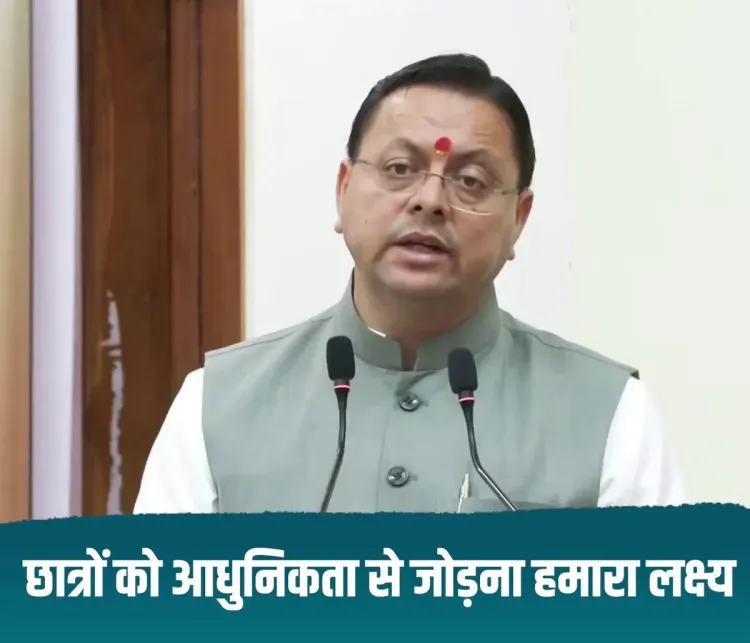
Uttarakhand Chief Minister Pushkar Singh Dhami on 1 July 2026 called for linking all children in the state to modern education, urging a shift beyond traditional learning toward contemporary knowledge, skills, and opportunities in line with NEP 2020 goals.
Key Takeaways
CM Pushkar Singh Dhami on 1 July 2026 called for connecting every child in Uttarakhand to modern education.
He stressed that students must not remain confined to traditional learning but must access contemporary knowledge and skills.
The statement aligns with the National Education Policy 2020 , which directs states to integrate technology, vocational training, and multidisciplinary learning in schools.
Rural and hilly regions of Uttarakhand are identified as areas where the gap between traditional and modern education is most pronounced.
Upcoming state education budget allocations and NEP-aligned curriculum rollouts will indicate how the intent is converted into policy action.
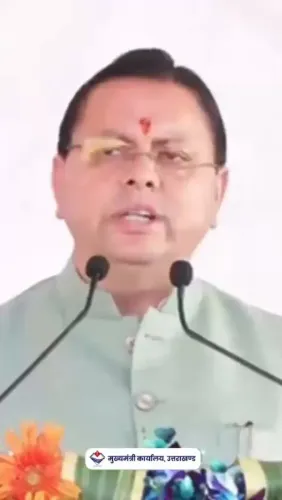
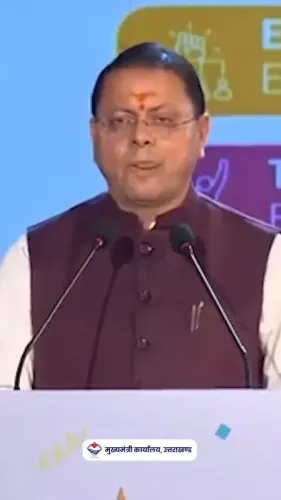
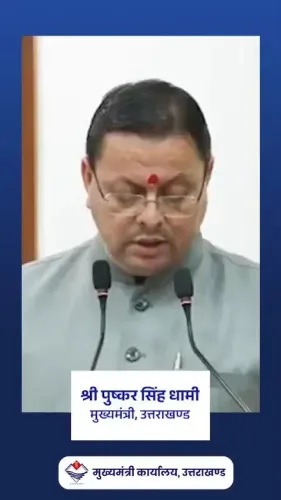
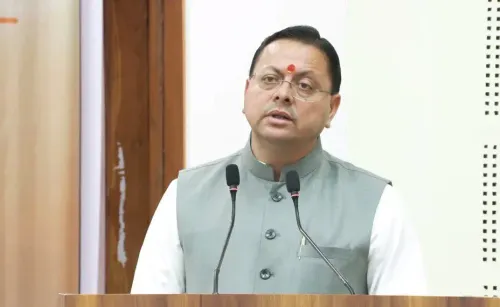
Uttarakhand Chief Minister Pushkar Singh Dhami on Wednesday, 1 July 2026 called for connecting every child in the state to modern education, stressing that students must not remain confined to traditional learning alone but must gain access to contemporary knowledge, skills, and opportunities.
Context
In his post on X, CM Dhami wrote: 'प्रदेश के सभी नौनिहालों को आधुनिक शिक्षा से जोड़ना आवश्यक है, ताकि वे केवल परंपरागत शिक्षा तक सीमित न रहकर समकालीन ज्ञान, कौशल और अवसरों से जुड़ सकें।' — translated: 'It is essential to connect all the young children of the state with modern education, so that they are not limited to traditional education alone but can connect with contemporary knowledge, skills, and opportunities.' The statement signals a clear policy intent to broaden the educational horizon for Uttarakhand's school-going population, particularly in its vast rural and hilly regions where access to quality modern education has historically lagged.
Policy Backdrop
CM Dhami's emphasis aligns squarely with the National Education Policy (NEP) 2020, India's landmark reform framework that replaced the 1986 education policy and directed states to move decisively away from rote learning toward skill-oriented, multidisciplinary, and technology-integrated curricula. The NEP specifically mandates the introduction of coding, vocational training, and digital tools at the school level while preserving cultural and regional learning components. Uttarakhand, like several other states, has been in the process of aligning its government school systems with these national goals, though specific implementation timelines and budget allocations remain to be detailed.
Across India, multiple states have accelerated NEP-aligned changes in recent years, reflecting a nationwide consensus that conventional classroom methods alone are insufficient to prepare children for a rapidly evolving economy. Uttarakhand's geography — with a significant share of its population spread across remote hill districts — makes the challenge of delivering modern, skills-based education particularly acute.
Stakeholders and Impact
The primary beneficiaries of any push toward modern education in Uttarakhand would be school students enrolled in government institutions, who constitute a large share of the state's learner population. Rural households in the hill districts stand to gain the most, as children in these areas often have limited exposure to digital tools, vocational pathways, or contemporary curricula compared to their urban counterparts. Bridging this gap is seen as critical to improving outcomes in employment and higher education for the next generation of the state's youth.
Teachers, school administrators, and local bodies would also be key stakeholders in any implementation effort, requiring training and infrastructure support to deliver on the vision articulated by CM Dhami.
What's Next
Uttarakhand's annual education budget allocations and the rollout of NEP-aligned curriculum changes or digital infrastructure in government schools will be closely watched as indicators of how this stated intent translates into action. Observers will look for concrete announcements around teacher training programmes, procurement of digital devices for classrooms, and integration of vocational modules into the state's school syllabus. The Chief Minister's statement sets an expectation that the state government will follow through with measurable steps to modernise learning environments for children across Uttarakhand.
Point of View
Dhami is positioning his government ahead of what could be a significant budget or programme announcement in the education sector. For a state like Uttarakhand — where geography creates structural barriers to uniform education quality — the political dividend of visible school modernisation is considerable. The real test, however, will lie in whether this rhetoric is matched by concrete allocations and measurable outcomes in the state's hill districts.
NationPress
30 Sept 2026
Frequently Asked Questions
What did Uttarakhand CM Pushkar Singh Dhami say about education?
CM Pushkar Singh Dhami said it is essential to connect all children in Uttarakhand with modern education so they are not limited to traditional learning and can access contemporary knowledge, skills, and opportunities.
How does Uttarakhand's education push relate to NEP 2020?
CM Dhami's emphasis on modern, skills-based education aligns with the National Education Policy 2020, which directs states to move away from rote learning and integrate technology, vocational training, and multidisciplinary approaches in schools.
Which children in Uttarakhand stand to benefit most from modern education reforms?
Students enrolled in government schools, particularly in rural and hilly districts of Uttarakhand, stand to benefit most, as these areas have historically had limited access to digital tools and contemporary curricula.
What is the National Education Policy 2020 and why does it matter for Uttarakhand?
NEP 2020 is India's landmark education reform framework that replaced the 1986 policy; it mandates skill-oriented, technology-integrated learning from school level and provides the national blueprint that Uttarakhand is aligning its school system with.
What should we watch for next on Uttarakhand education policy?
Key indicators to watch include Uttarakhand's annual education budget allocations, timelines for NEP-aligned curriculum changes, and rollout of digital infrastructure in government schools across the state.