CM Dhami: Future Belongs to Innovation, Creativity and Skill
Synopsis
Uttarakhand Chief Minister Pushkar Singh Dhami declared on 19 July 2026 that the coming era will be defined by innovation, creativity, and skill rather than information access alone — a signal of the state's sharpening focus on youth-centred education and skilling policy.
Key Takeaways
CM Pushkar Singh Dhami stated on 19 July 2026 that the future will belong to innovation, creativity, and skill — not information alone.
The remark aligns with the National Education Policy 2020 , which prioritises multidisciplinary and vocational learning across India.
The Skill India Mission (launched 2015 ) targeted training over 400 million people to meet modern employability demands.
Uttarakhand 's students, youth, and aspiring entrepreneurs are the primary stakeholders of any policy action following this statement.
Analysts will watch for concrete follow-up: budget allocations for skill centres, industry MoUs, or NEP-aligned university reforms in the state.
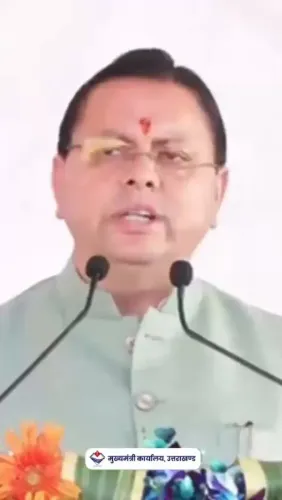
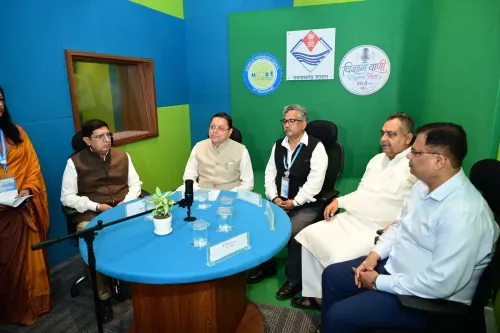
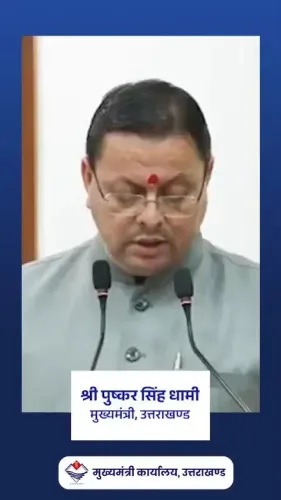
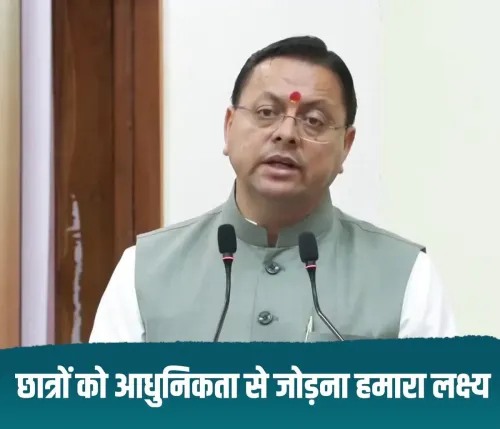
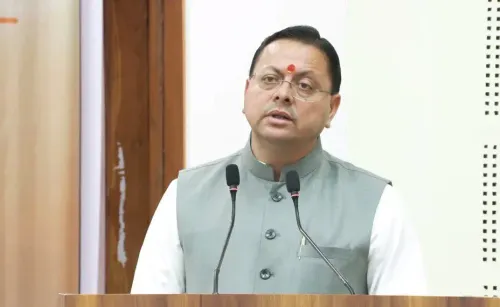
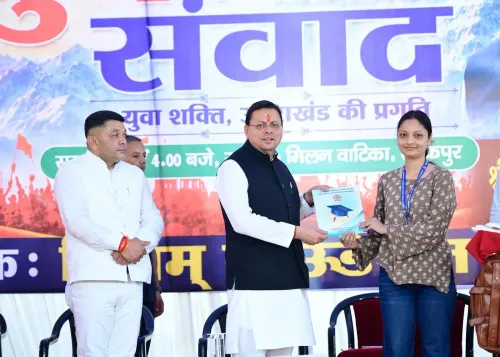
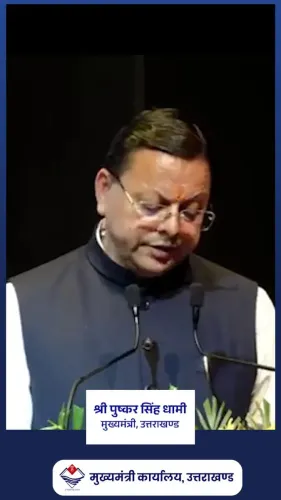
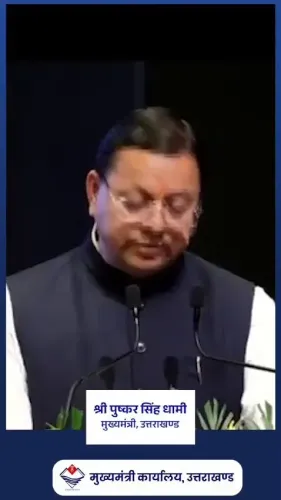
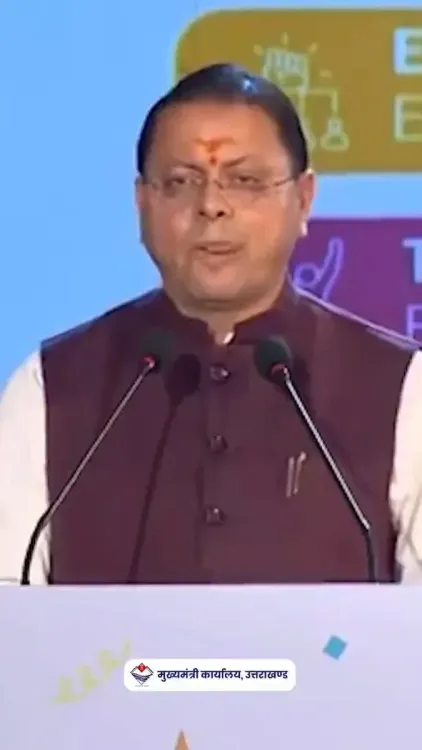
Chief Minister Pushkar Singh Dhami of Uttarakhand on Sunday, 19 July 2026 underscored a decisive shift in how the state views the coming decades, declaring that the future will be defined not by access to information alone but by the capacity to innovate, create, and apply skills.
Addressing what appears to be an education or youth-focused gathering, CM Dhami was quoted as saying: 'Aane wala samay kewal soochna ka nahin hoga, balki innovation, creativity aur skill ka hoga' — 'The time ahead will not belong merely to information, but to innovation, creativity, and skill.'
Context
The statement arrives at a moment when Uttarakhand, a northern Himalayan state, is actively aligning its education and youth policy with national frameworks. CM Dhami, who has led the state since 2021, has consistently championed youth-oriented development alongside the state's better-known tourism and infrastructure agenda. The remark signals that skilling and applied learning are being elevated as strategic priorities for the state's next phase of growth.
Policy Backdrop
The sentiment expressed by CM Dhami resonates directly with two landmark national initiatives. The National Education Policy (NEP) 2020 placed multidisciplinary learning, critical thinking, and vocational integration at the centre of India's education reform agenda. Separately, the Skill India Mission, launched in 2015, set an ambitious target of training over 400 million people for employability in a rapidly changing economy.
India's broader policy direction has been steadily pivoting from information access — the priority of the internet's early decades — to applied competencies suited for Industry 4.0 demands. States across the country have echoed this central theme, often using such statements to precede concrete announcements on training infrastructure or university reform.
Stakeholders and Impact
The primary beneficiaries of any policy action flowing from this statement would be Uttarakhand's students, young job-seekers, and aspiring entrepreneurs. The state's youth population, like that of many Himalayan states, faces the dual challenge of limited local employment opportunities and the need to compete in national and global markets where applied skills increasingly outweigh rote knowledge.
Industry partners, universities, and vocational training bodies operating in the state stand to be directly engaged if the government moves toward new innovation labs, skill development centres, or industry-linked curricula in the near term.
What's Next
Observers will watch for concrete follow-through in the form of state budget allocations for skill infrastructure, fresh memoranda of understanding with industry for innovation centres, or NEP-aligned reforms at Uttarakhand's universities. Statements of this character from the Chief Minister's Office have in the past preceded formal programme launches or inter-institutional partnerships. Whether this remark is the prelude to a specific policy announcement will become clearer in the weeks ahead.
Point of View
This rhetorical pivot carries real stakes: it signals that Dehradun is preparing to compete for investment in education infrastructure and innovation ecosystems. The timing, mid-2026, places it within a likely pre-budget or policy-cycle window where such statements typically foreshadow programme launches. If backed by fiscal commitment, it could mark a meaningful shift in how Uttarakhand deploys its youth demographic; if not, it risks being read as aspirational messaging without structural follow-through.
NationPress
19 Oct 2026
Frequently Asked Questions
What did Uttarakhand CM Dhami say about the future of education?
CM Pushkar Singh Dhami said the coming era will not belong merely to information but to innovation, creativity, and skill, signalling a shift in the state's education and youth policy priorities.
How does CM Dhami's statement connect to NEP 2020?
The National Education Policy 2020 similarly prioritised multidisciplinary learning, critical thinking, and vocational skills over rote information — making Dhami's remarks a direct echo of the national reform agenda.
What is the Skill India Mission and how does it relate to Uttarakhand?
The Skill India Mission, launched in 2015, aimed to train over 400 million Indians for modern employment. Uttarakhand is expected to align state skilling programmes with this national framework as part of its youth development push.
Who are the main beneficiaries of Uttarakhand's skill and innovation focus?
Students, young job-seekers, and aspiring entrepreneurs in Uttarakhand stand to benefit most, especially given the state's limited local employment base and the need to compete in national and global skill-driven markets.
What policy announcements could follow CM Dhami's remarks on skill and innovation?
Observers are watching for state budget allocations for skill development centres, new MoUs with industry for innovation labs, and NEP-aligned reforms at Uttarakhand universities as likely next steps.