CM Dhami: Uttarakhand schools fast-tracking innovation, digital shift
Synopsis
Chief Minister Pushkar Singh Dhami has stated that Uttarakhand's educational institutions have rapidly adopted innovation-based curricula and digitalisation. The move aligns with NEP 2020 mandates and Digital India goals, aiming to bridge learning gaps across the hill state's remote terrain.
Key Takeaways
CM Pushkar Singh Dhami stated on 30 May 2026 that innovation-based curricula and digitalisation have been rapidly adopted in Uttarakhand's educational institutions.
Uttarakhand adopted the National Education Policy 2020 from the 2021-22 academic session , forming the basis for ongoing curriculum reform.
The state's education push aligns with Digital India and NEP 2020 goals, with added urgency post-COVID to address access gaps in hilly and remote areas.
Key stakeholders include school students, higher education students and teachers across the state's 13 districts .
Progress will be tracked through state-level NEP implementation reports and digital infrastructure rollout data in government schools.
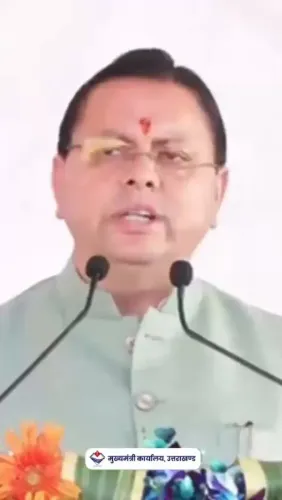
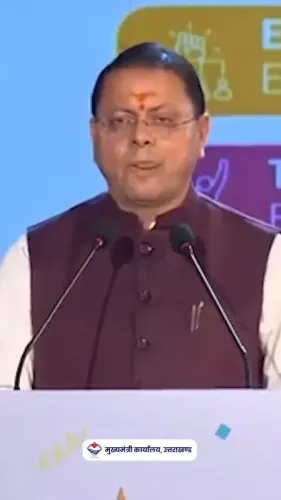
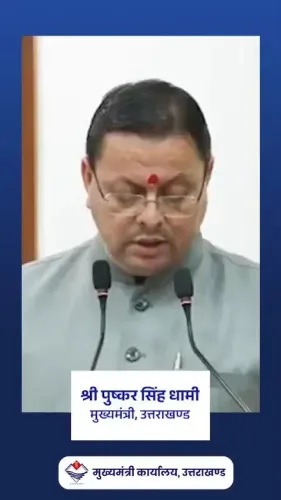
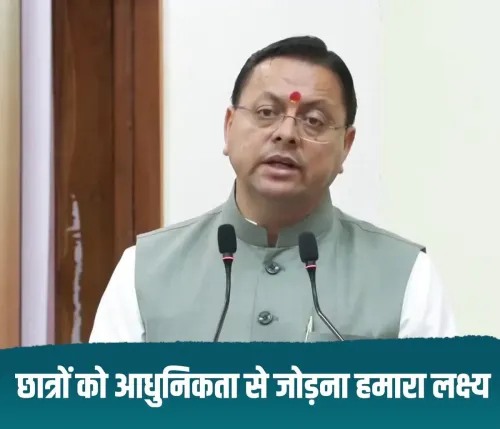
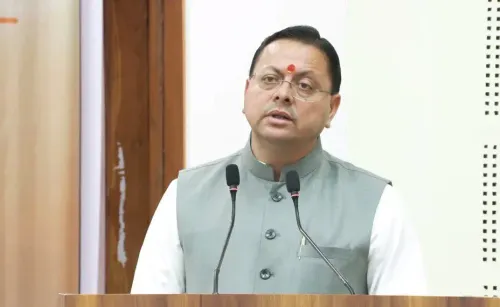
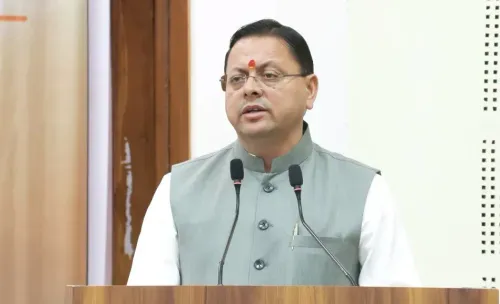
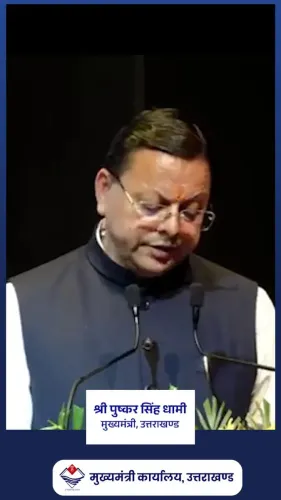
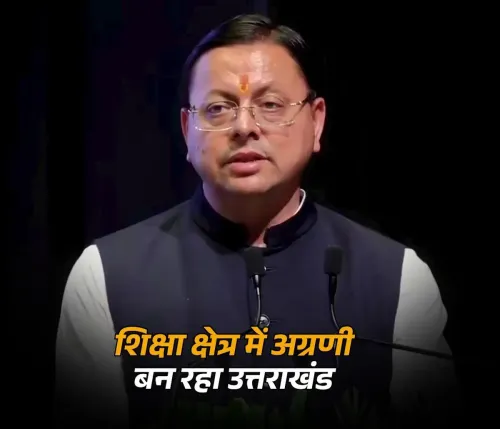
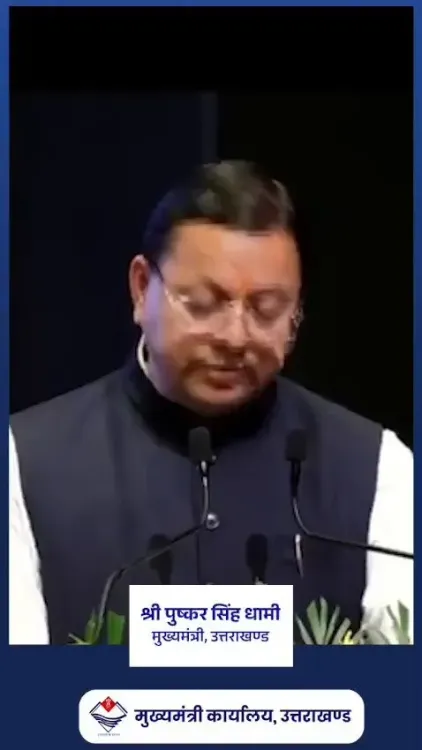
The Chief Minister's Office of Uttarakhand on Saturday, 30 May 2026 quoted Chief Minister Pushkar Singh Dhami asserting that innovation-based curricula and digitalisation have been rapidly adopted across the state's educational institutions.
In the post, CM Dhami stated: 'उत्तराखण्ड के शैक्षणिक संस्थानों में नवाचार आधारित पाठ्यक्रमों और डिजिटलीकरण को तेजी से अपनाया गया है।' ('Innovation-based curricula and digitalisation have been rapidly adopted in the educational institutions of Uttarakhand.')
Context
Uttarakhand, a Himalayan state with significant stretches of remote and hilly terrain, has historically faced challenges in delivering quality education uniformly across its districts. The post signals the state government's position that it is making measurable strides in modernising its schools and colleges. The statement comes amid ongoing efforts to align state education with central reform mandates.
Policy Backdrop
The National Education Policy 2020 (NEP 2020), adopted by Uttarakhand from the 2021-22 academic session, forms the foundational framework for these changes. NEP 2020 promotes multidisciplinary, skill-oriented and technology-enabled learning as a departure from rote-based instruction. Uttarakhand's push mirrors a nationwide pattern under Digital India and NEP 2020 to integrate technology in classrooms, a shift that accelerated post-COVID to bridge access gaps in geographically difficult areas.
CM Dhami, who has been at the helm of the state since 2021, has consistently positioned education reform and digital infrastructure as priorities for the hill state. Innovation-based curricula, as referenced in the post, typically include project-based learning, coding, STEM integration and blended-learning models supported by digital devices and connectivity.
Stakeholders and Impact
The primary beneficiaries of this shift are school students, higher education students and teachers across Uttarakhand's government institutions. For students in remote districts, digital tools can reduce the gap between urban and rural learning outcomes — a long-standing concern for the state. Teachers, in turn, require retraining and infrastructure support to deliver innovation-based content effectively.
Access to reliable internet and device availability remain critical variables in hilly regions where connectivity infrastructure is still being expanded. The government's claim of 'rapid adoption' will ultimately be measured against learning outcome data and infrastructure coverage across all 13 districts of the state.
What's Next
Observers will watch for state-level NEP 2020 implementation progress reports and official data on digital infrastructure rollout in government schools. The pace of teacher training programmes and the availability of digital devices in under-resourced schools will serve as concrete indicators of how deeply this shift has penetrated beyond urban centres. Further policy announcements or budget allocations tied to education digitalisation in Uttarakhand are likely to follow as the state advances its reform agenda.
Point of View
Signalling that the state intends to be seen as a proactive implementer rather than a laggard. For a hill state where geography has historically constrained educational access, the emphasis on digitalisation carries both political and practical weight. However, assertions of 'rapid adoption' without accompanying data on infrastructure coverage or learning outcomes leave the claim open to scrutiny. The broader pattern — state governments amplifying education reform narratives ahead of policy review cycles — suggests this is as much about positioning as it is about on-ground progress.
NationPress
15 Oct 2026
Frequently Asked Questions
What did CM Dhami say about education in Uttarakhand?
CM Pushkar Singh Dhami stated that innovation-based curricula and digitalisation have been rapidly adopted across educational institutions in Uttarakhand.
Is Uttarakhand implementing NEP 2020?
Yes, Uttarakhand adopted the National Education Policy 2020 from the 2021-22 academic session and has been revising its curriculum in line with NEP mandates.
How is Uttarakhand addressing digital education in remote areas?
The state government has been expanding digital infrastructure and blended-learning models to bridge access gaps in its hilly and remote districts, aligned with the Digital India programme.
Who is Pushkar Singh Dhami?
Pushkar Singh Dhami is the Chief Minister of Uttarakhand, serving since 2021, and has made education reform and digital infrastructure key priorities of his administration.
What is innovation-based curriculum in Indian schools?
Innovation-based curriculum typically includes project-based learning, STEM integration, coding and blended-learning approaches, as promoted under NEP 2020 to move away from rote memorisation.