CM Dhami Pushes AI, Robotics in Uttarakhand Schools
Synopsis
Uttarakhand CM Pushkar Singh Dhami has announced the state is embedding AI, robotics and digital learning into its education system under the NEP 2020 framework, aiming to build a globally competitive, future-ready youth workforce.
Key Takeaways
CM Pushkar Singh Dhami announced on 30 May 2026 that Uttarakhand is integrating AI, robotics, and digital learning into its education system.
The initiative aims to equip youth with skills aligned to innovation, technical proficiency, and global competition.
The push is anchored in the National Education Policy 2020 , which mandated AI and digital tool integration across Indian schools.
The Skill India Mission (2015) and Digital India programme provide the national policy and infrastructure framework supporting this effort.
Students in Uttarakhand government schools, especially in rural and semi-urban areas, are the primary target beneficiaries.
Rollout of specific AI and robotics modules and new skill development partnerships are the key developments to watch.
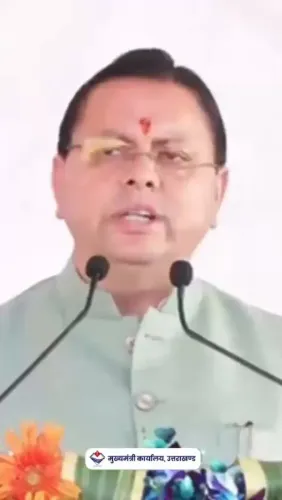
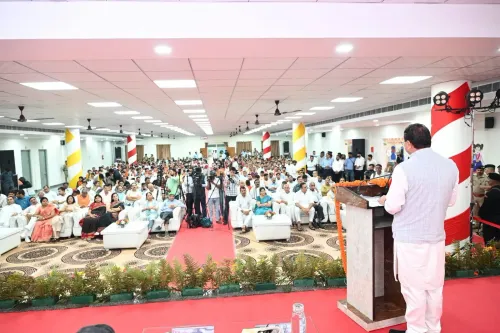
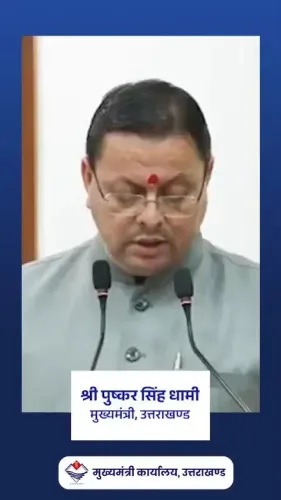
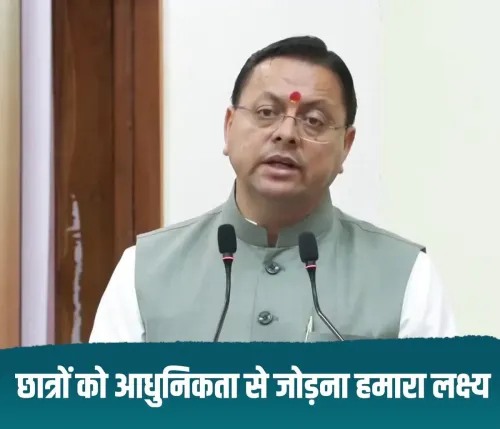
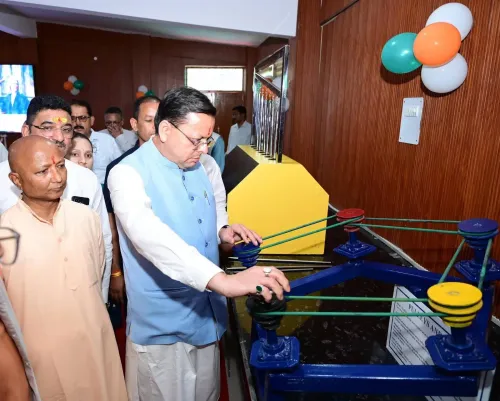
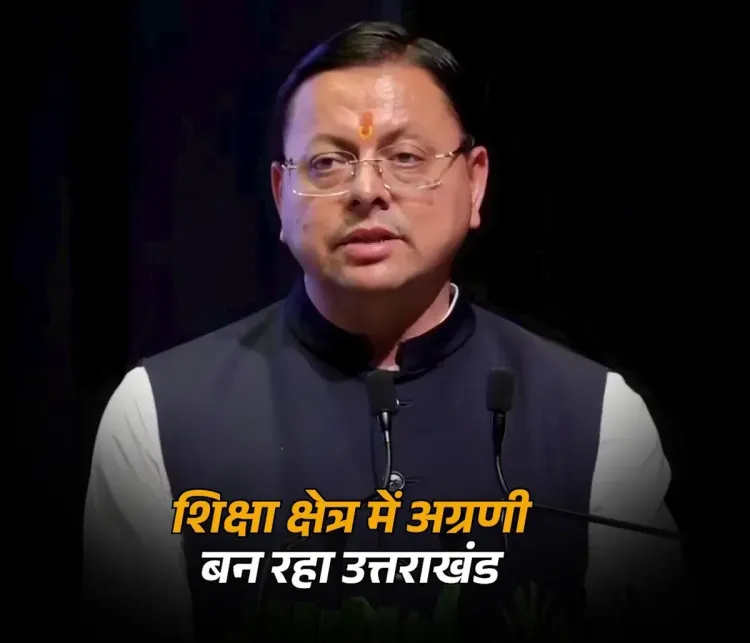
Uttarakhand Chief Minister Pushkar Singh Dhami on Saturday, 30 May 2026 announced that the state is actively integrating Artificial Intelligence (AI), robotics, and digital learning into its education system, with the explicit goal of equipping young people with skills needed to compete on a global stage.
In a post on X, CM Dhami stated — 'प्रदेश में शिक्षा के क्षेत्र में आर्टिफिशियल इंटेलिजेंस (AI), रोबोटिक्स एवं डिजिटल लर्निंग को बढ़ावा देते हुए युवाओं को नवाचार, तकनीकी दक्षता और भविष्य की आवश्यकताओं के अनुरूप कौशल से जोड़ा जा रहा है' ['In the state, by promoting AI, robotics, and digital learning in education, youth are being connected with skills aligned to innovation, technical proficiency, and future needs'] — so that they can establish a strong identity in global competition.
Context
Uttarakhand, a northern hill state, has in recent years accelerated its push to modernise public education infrastructure. The state government has framed technology integration not merely as a curricular update but as a strategic response to youth unemployment and the demands of a rapidly shifting global job market. CM Dhami has repeatedly positioned education reform as a pillar of the state's development agenda.
Policy Backdrop
The initiative draws directly from the National Education Policy (NEP) 2020, which mandated the integration of AI, coding, and digital tools across Indian schools and higher education institutions from the foundational level upward. The Skill India Mission, launched in 2015, similarly sought to align youth training with emerging technologies and international employment trends.
The broader Digital India programme, also launched in 2015, provided the infrastructure backbone — expanding broadband connectivity and e-learning platforms to states like Uttarakhand. These national frameworks have given state governments a policy mandate and funding architecture to build on. Uttarakhand's current push mirrors the wider Atmanirbhar Bharat vision of technology self-reliance.
Stakeholders and Impact
The primary beneficiaries are students enrolled in Uttarakhand government schools and state-run higher education institutions, particularly those in semi-urban and rural areas who have historically had limited access to technology-focused learning. Robotics labs and AI modules, if rolled out at scale, could meaningfully alter career trajectories for first-generation learners in the state.
State educational institutions and teachers will require parallel capacity-building investment to deliver these programmes effectively. Skilling partnerships with industry and central agencies are expected to play a critical role in translating the policy intent into classroom reality.
What's Next
Observers will watch closely for the rollout of specific AI and robotics modules in Uttarakhand government schools and any new state skill development partnerships that may be announced in forthcoming budget or policy sessions. The pace of implementation — particularly the reach into remote hill districts — will determine whether the initiative delivers on its stated goal of making Uttarakhand youth genuinely competitive in global markets. A sustained teacher-training programme will be the clearest indicator of the government's long-term commitment to this agenda.
Point of View
Where youth out-migration for employment is a persistent structural problem, framing AI and robotics education as a retention and competitiveness strategy carries real political logic. The critical test, however, will be implementation depth: past digital education pushes in smaller states have often stalled at the infrastructure and teacher-training stage. Whether this initiative reaches students in remote districts, or remains concentrated in urban centres, will define its actual impact.
NationPress
15 Oct 2026
Frequently Asked Questions
What is CM Dhami's plan for AI in Uttarakhand schools?
CM Pushkar Singh Dhami has announced that Uttarakhand is integrating Artificial Intelligence, robotics, and digital learning into its education system to prepare youth for global competition, in line with the National Education Policy 2020.
How does NEP 2020 relate to AI education in Uttarakhand?
The National Education Policy 2020 mandated the integration of AI, coding, and digital tools across Indian schools from the foundational level, providing the central policy framework that states like Uttarakhand are now implementing.
Which students will benefit from Uttarakhand's AI and robotics education push?
Students in Uttarakhand government schools and state-run higher education institutions, particularly those in rural and semi-urban hill districts, are the primary intended beneficiaries of this initiative.
What is the Skill India Mission and how is it connected to this?
The Skill India Mission, launched in 2015, aims to align youth training with emerging technologies and global job markets. Uttarakhand's AI and digital learning push builds on this national skilling framework.
What should we watch for next regarding Uttarakhand's education tech initiative?
Key developments to follow include the rollout of AI and robotics modules in government schools, new skill development partnerships announced in budget sessions, and the extent to which programmes reach remote hill districts.